

Berlin Science Week 2025 x Berlin University Alliance
Focusing on the Grand Challenges of our time.
The future is arriving faster than our systems can adapt; we are reaching new climate extremes year after year, technologies are outpacing regulation, and divides between communities are growing deeper. These aren’t isolated problems. They are global and deeply interconnected — challenges that no single expert, institution, or discipline can solve alone. They are what we call Grand Challenges. Meeting these kinds of challenges takes something more: agile and collaborative institutions, transdisciplinary research approaches, and perspectives that venture beyond now.
The Berlin University Alliance is an alliance between Freie Universität Berlin, Humboldt-Universität zu Berlin, Technische Universität Berlin and Charité – Universitätsmedizin Berlin. Together, they’ve identified five Grand Challenges they are jointly researching: Social Cohesion, Global Health, Climate and Water Under Change, Quantum Technologies, and Responsible Innovation in Times of Transformation. These Grand Challenges form an integrated research agenda, with each area informing and impacting the others.
There is no better city than Berlin for this kind of work. With more than 30 universities and institutes of higher education, and over 70 non-university research institutions, it’s home to a world-class research-ecosystem of knowledge and innovation. To mark its 10th anniversary, Berlin Science Week is partnering with the Berlin University Alliance to showcase how the city’s innovative researchers are addressing the Grand Challenges of our time.

PANEL DISCUSSION: FROM TODAY'S VISIONS TO TOMORROW'S SOLUTIONS
7 Nov 2025 | 17:45 - 19:00 | FORUM | DE
An evening of inspiration, debate, and bold visions of the future, showing how research can guide us and spark hope. In this panel discussion, leading researchers from BUA’s five Grand Challenges will share their perspectives on the visions we must shape today to make tomorrow’s solutions possible. Together, they will explore how science, politics, and society can collaborate to turn these visions into reality.
PANEL DISCUSSION: FROM TODAY'S VISIONS TO TOMORROW'S SOLUTIONS
7 Nov 2025 | 17:45 - 19:00 | FORUM | DE
An evening of inspiration, debate, and bold visions of the future, showing how research can guide us and spark hope. In this panel discussion, leading researchers from BUA’s five Grand Challenges will share their perspectives on the visions we must shape today to make tomorrow’s solutions possible. Together, they will explore how science, politics, and society can collaborate to turn these visions into reality.
THE GRAND CHALLENGES
This is research that meets the moment: explore five urgent, interconnected global themes setting the Berlin University Alliance’s research agenda. From climate change and global health to social cohesion, quantum technologies, and innovation, these challenges are transforming our world, and science is central to addressing them.
What holds us together?
Our societies are changing: migration is reshaping communities, global inequalities persist, our digital and physical worlds are merging, and trust in democracy is waning. As a result, the bonds that keep us connected are under pressure. Social cohesion — the invisible thread that shapes our everyday lives in schools, neighbourhoods, online, and at work — is being put to the test. As our societies grow more diverse, and as inequalities and global shifts continue to shape our lives, a pressing question emerges: how do we live together across difference, and what does it take to create lasting unity?
Through the Grand Challenge on Social Cohesion, the Berlin University Alliance brings together researchers, artists, and thinkers from across disciplines to unravel the histories, conditions, and forces that hold us together or pull us apart.
Learn more here.
How can we improve health beyond borders?
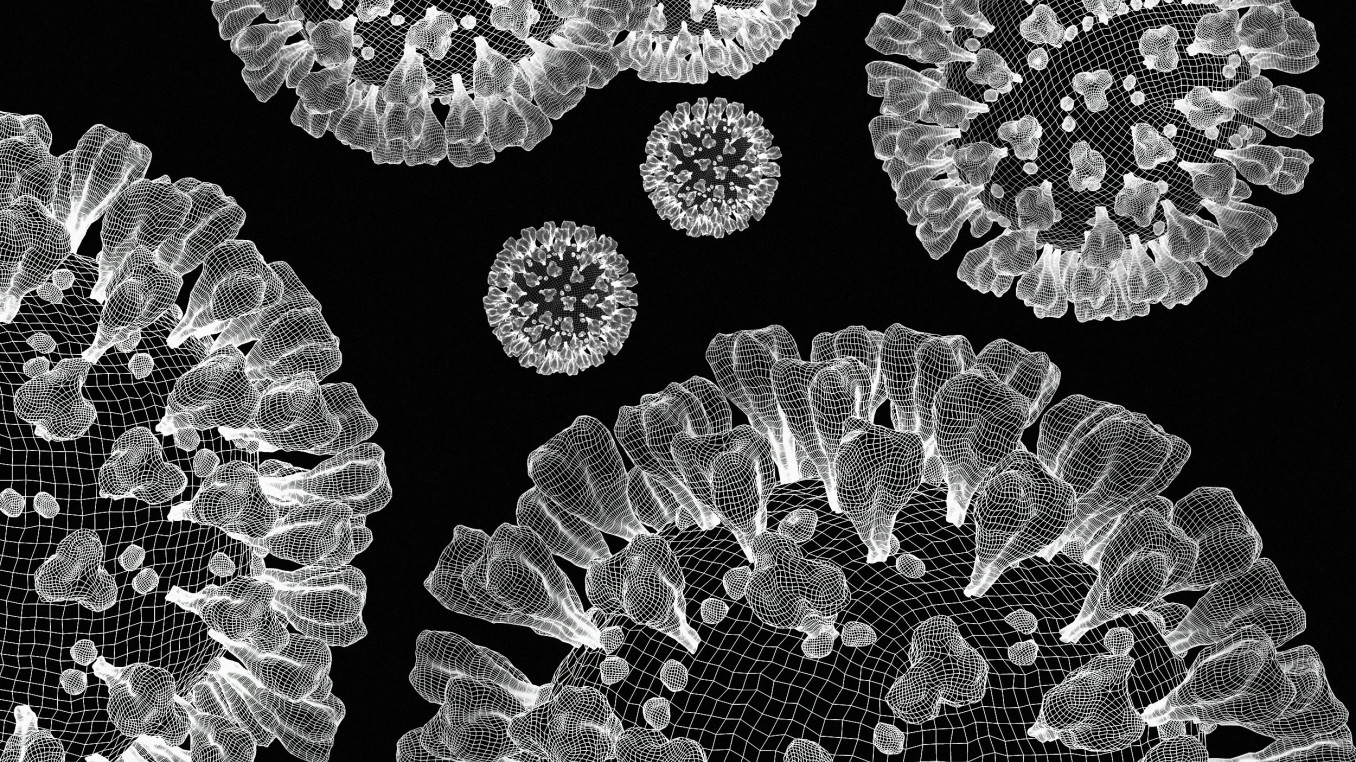
Health is about more than medicine. It is shaped in the homes we live in, the air we breathe, and the water we drink. Social, political, and environmental forces create vast differences in health conditions across the globe, with consequences that cross borders. Infectious diseases spread rapidly through travel and trade; the over- and misuse of antibiotics is generating global antibiotic resistance, making infections more difficult to treat; vaccines remain far more accessible in the global North than the South.
In the gap between need and access, a new kind of health thinking must emerge. Improving well-being worldwide means combining insights from medicine, environmental science, social sciences, law, engineering, and more. The Berlin University Alliance’s Grand Challenge on Global Health unites researchers, policymakers, and practitioners across disciplines to develop new approaches to prevention, treatment, and health systems working toward a healthier future for all.
Learn more here.
How do we adapt when water changes?
Water runs through everything: ecosystems, cities, economies, daily life. It sustains health, biodiversity, agriculture, and industry. But as climate change intensifies, water is no longer a stable resource.
Droughts, floods, and degraded water quality aren't distant risks: they’re altering lives and landscapes now. These changes intersect with urban infrastructure, rural livelihoods, political borders, and ecological systems in ways that test our ability to respond. To navigate these converging pressures, we need more than technical fixes. By consulting the natural and social sciences, as well as engineering, we can understand how water circulates not only through natural systems but also through institutions, policies, and power structures.
In the Berlin-Brandenburg region, researchers from the Berlin University Alliance are tackling these questions through concrete case studies: from flood management to wastewater systems to the preservation of ecosystems and their services. Their work spans three major fronts: understanding the changing drivers of water risks, evaluating the consequences across sectors, and building strategies for implementation. This work is not just about reacting to crisis but about reimagining how we live with water in a climate-altered world.
Learn more here.
How will quantum technologies change what’s possible?
The invention of the computer has transformed our world, and the digital revolution is still unfolding. But what happens when information technologies begin to rely not only on 1s and 0s, but on the strange rules of quantum physics?
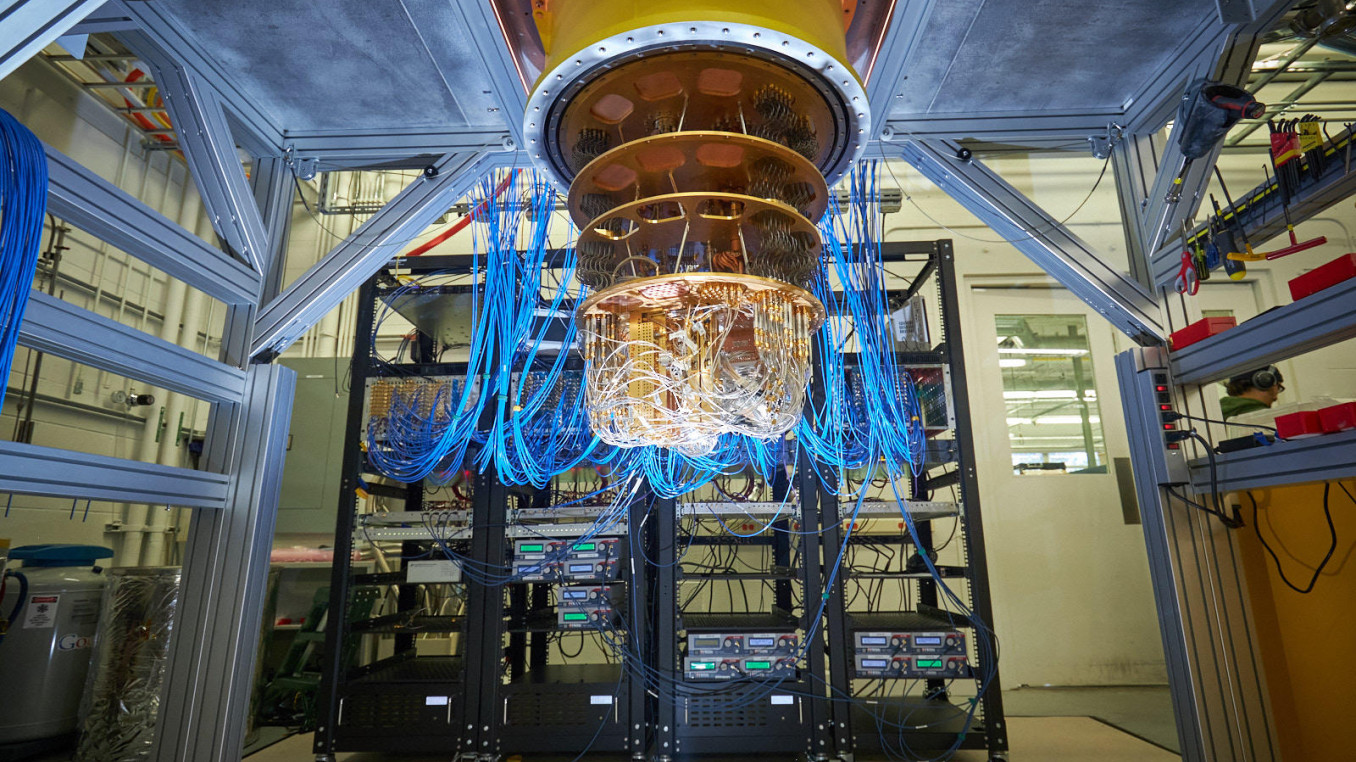
Quantum technologies go beyond classical computation: they could help design catalysts for green energy, simulate proteins for drug discovery, or develop unhackable communication systems. Quantum computers, quantum sensors, and quantum communication networks don’t play by the usual rules. They exploit superposition, entanglement, and quantum interference to process and transmit information in ways that defy classical physics.
For a long time, this was the realm of theory. Today, quantum technologies are becoming real. Now, questions emerge: Which problems in science, industry, or society could only quantum technologies solve? What happens when these new tools leave the lab and enter the wider world? How do we ensure that quantum breakthroughs benefit society broadly, not just a few powerful players?
In Berlin, researchers of the Berlin University Alliance are joining forces — physicists, computer scientists, mathematicians, social scientists, philosophers, engineers, and entrepreneurs — to explore the potential of the quantum-digital revolution and what it could mean for science, society, and the future of intelligence itself.
Learn more here.
How do we invent without losing our way?
Transformation marks our era. As we navigate change, new technologies hold the promise of solutions to major challenges. From care robots supporting the elderly to plant-based proteins building a more sustainable global food system, creative ideas are emerging in many fields to meet the moment. But while innovation is often assumed to be inherently positive, it can also disrupt, exclude, and harm. In a world where developments like artificial intelligence fundamentally alter how we relate to one another innovation carries a profound social responsibility to be sustainable and inclusive.
This Grand Challenge is about the how: How can innovations at the interface of science and society be designed through participation? How can people be supported in overcoming resistance to change during transformation processes? And which innovations can truly change the game and move us forward?
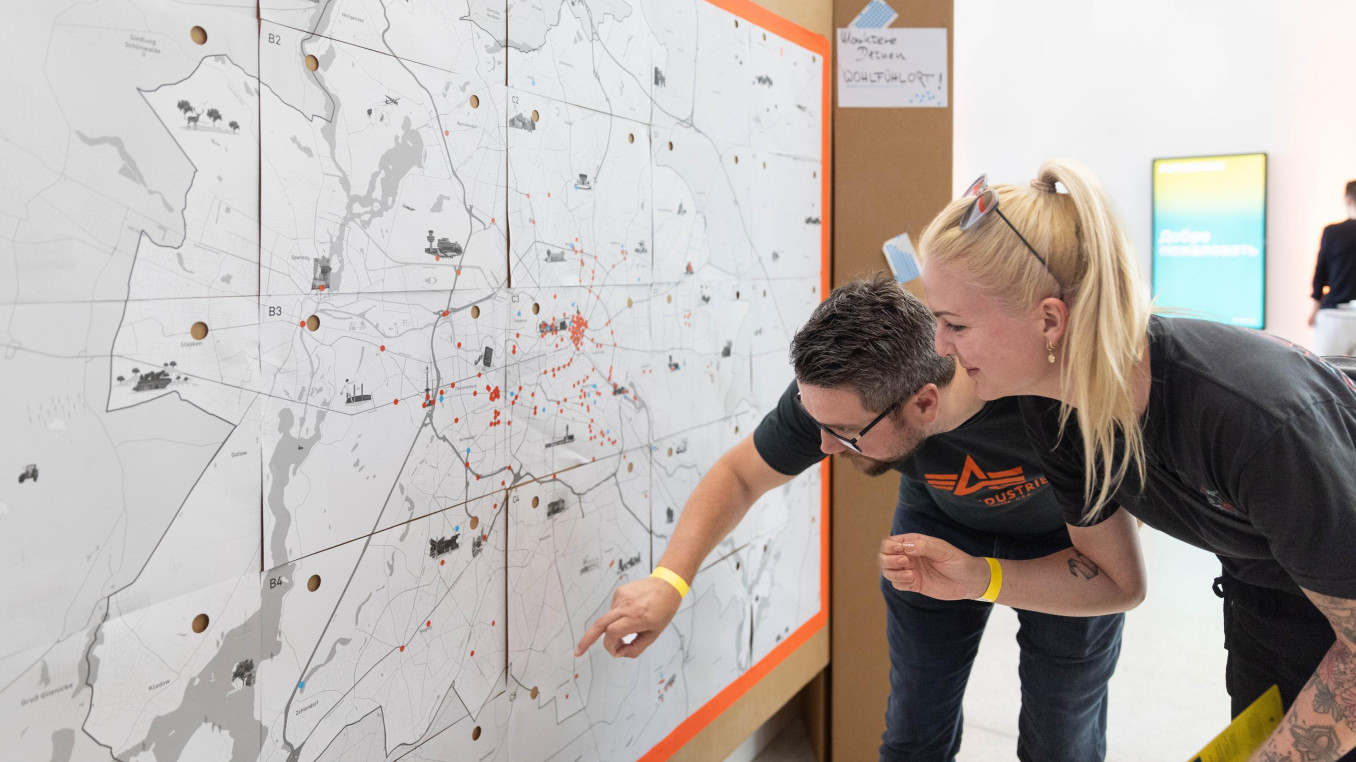
Since its inception, the Grand Challenge Responsible Innovation in Times of Transformation has embraced a participatory approach. Through a collective ideation process, scientists, artists, and Berliners of all ages were invited to co-develop the focus of this research field. Today, researchers from across disciplines of the Berlin University Alliance are working together to place responsibility at the very heart of innovation – developing policy frameworks, shared definitions, guidelines, and methods that make responsible innovation tangible and practicable.
Learn more here.
THE PEOPLE BEHIND THE SCIENCE
Science is the story of humanity’s pursuit of curiosity, wonder, and the relentless drive to understand. Here, the researchers of the Berlin University Alliance share what it means to confront the Grand Challenges of our time.


SPEAKERS ON THE INSPIRATION STAGE
Five researchers from the Berlin University Alliance – each representing one of the five Grand Challenges – are taking to the Inspiration Stage in our Festival Hub CAMPUS on November 1 and 2. Discover what they're currently working on: from gamified VR applications for addiction prevention to quantum communication with diamonds – the topics are as diverse as they are inspiring.



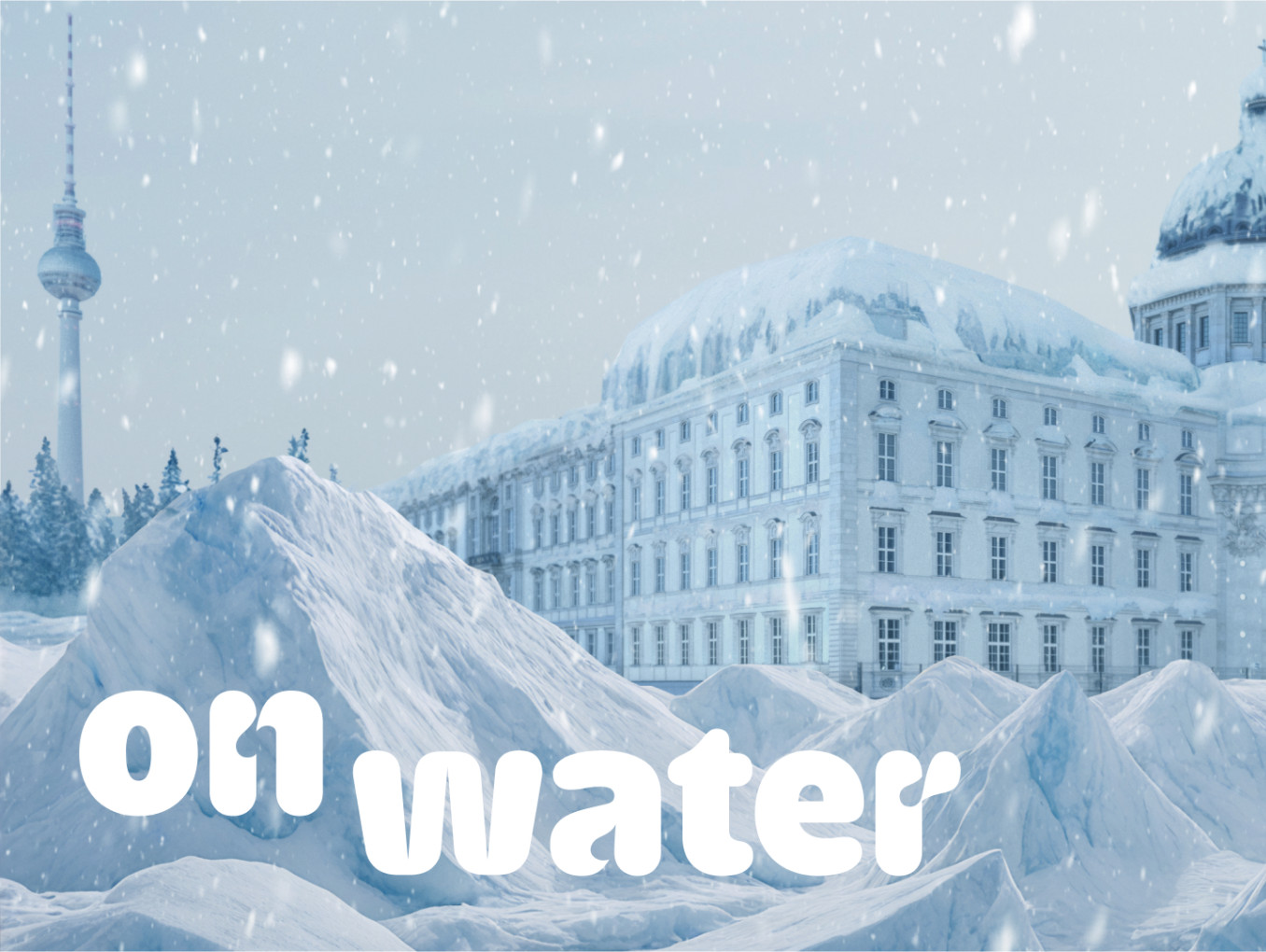
EXHIBITION: ON WATER. WASSERWISSEN IN BERLIN.
The exhibition opens on 10 October 2025 at the Humboldt Labor, Humboldt Forum.
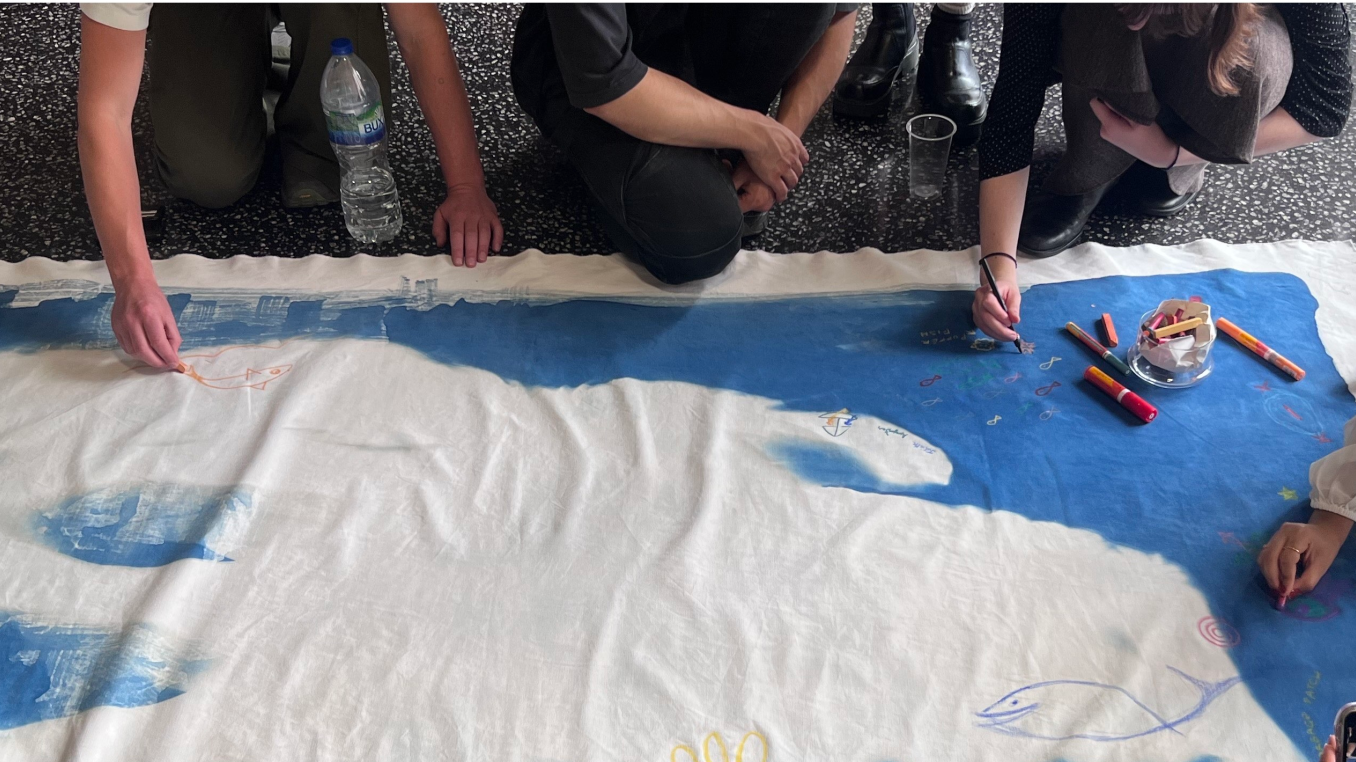
Water is everywhere — in rain, rivers, ice, and daily life. Yet it remains both familiar and unpredictable: sometimes scarce, sometimes overflowing. Climate change, urban growth, and global inequalities make water a central challenge of our time. The exhibition On Water. WasserWissen in Berlin presents research projects from the Berlin University Alliance that explore how we can understand and manage water for the future from diverse perspectives and disciplines.
EXHIBITION: ON WATER. WASSERWISSEN IN BERLIN.
The exhibition opens on 10 October 2025 at the Humboldt Labor, Humboldt Forum.
Water is everywhere — in rain, rivers, ice, and daily life. Yet it remains both familiar and unpredictable: sometimes scarce, sometimes overflowing. Climate change, urban growth, and global inequalities make water a central challenge of our time. The exhibition On Water. WasserWissen in Berlin presents research projects from the Berlin University Alliance that explore how we can understand and manage water for the future from diverse perspectives and disciplines.
EXPERIENCE BERLIN’S EXCELLENCE IN RESEARCH UP CLOSE
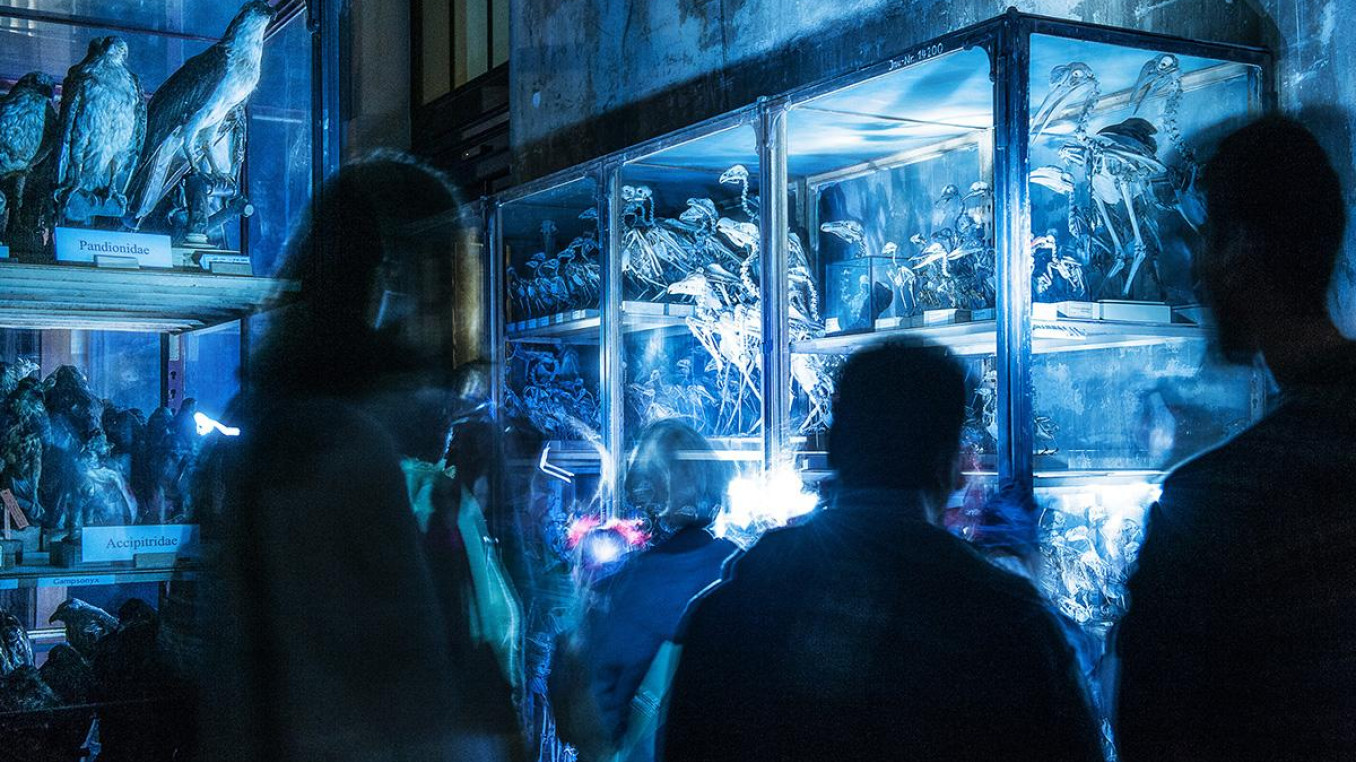
The four partner institutions of Berlin University Alliance — Freie Universität Berlin, Humboldt-Universität zu Berlin, Technische Universität Berlin, and Charité – Universitätsmedizin Berlin — are opening their doors during Berlin Science Week. Discover a curated selection of events, all addressing the Grand Challenges of our time and showcasing how Berlin’s research institutions contribute to developing solutions.



GRAND CHALLENGES CONFERENCE 2026
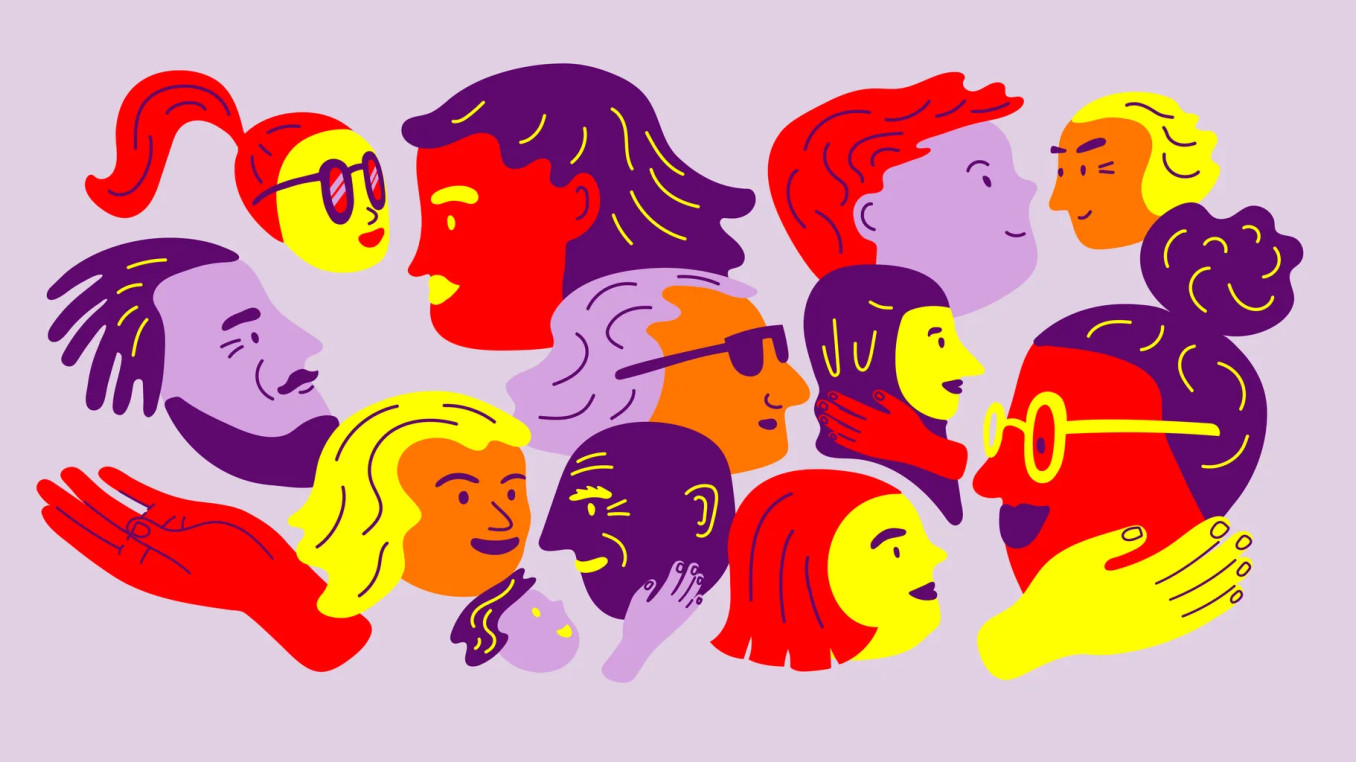
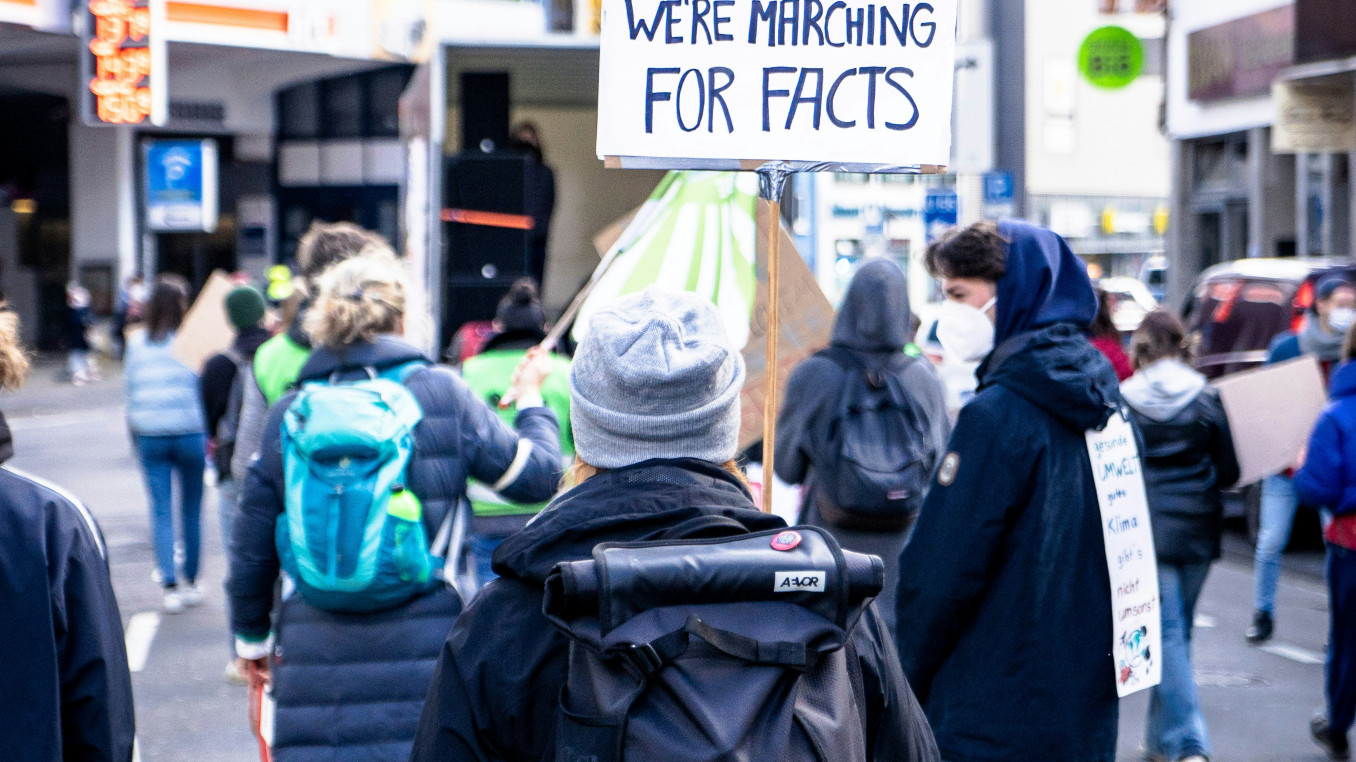
Experience three days of exchange, insight, and collaboration. The Grand Challenges Conference 2026 explores how joint research can turn shared knowledge into lasting progress on the most urgent challenges of our time. It highlights how collaboration across perspectives and professions can open pathways toward more inclusive, sustainable, and hopeful futures, bringing together diverse approaches that spark dialogue and new ways of thinking. In addition to engaging with global perspectives on how to address grand challenges, the programme also focuses on BUA's five Grand Challenges.
GRAND CHALLENGES CONFERENCE 2026
Experience three days of exchange, insight, and collaboration. The Grand Challenges Conference 2026 explores how joint research can turn shared knowledge into lasting progress on the most urgent challenges of our time. It highlights how collaboration across perspectives and professions can open pathways toward more inclusive, sustainable, and hopeful futures, bringing together diverse approaches that spark dialogue and new ways of thinking. In addition to engaging with global perspectives on how to address grand challenges, the programme also focuses on BUA's five Grand Challenges.
OUR PARTNERSHIP
This year's Berlin Science Week is in partnership with Berlin University Alliance (BUA).
For more information, please visit the BUA website.