Climate and Water Under Change
Water flows through everything: cities, agriculture, health, the economy, and our daily lives. However, climate change is making this vital resource increasingly scarce and unpredictable in Berlin, through dry summers, falling groundwater levels, and at the same time, extreme rainfall events. What does this mean for life in our city? And how can science, politics, and society work together to find solutions?
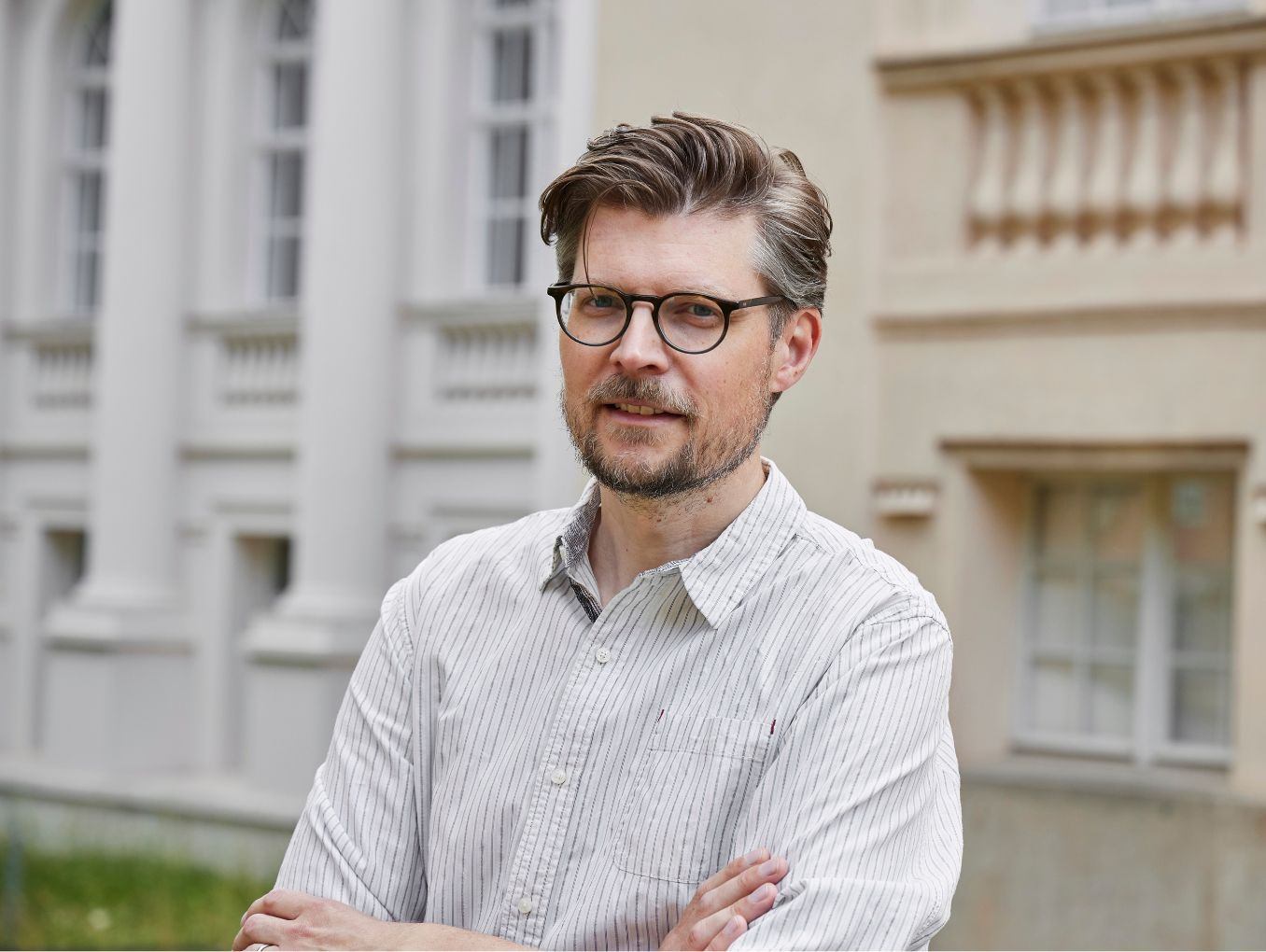
Professor Tobias Krüger is the director of the Integrative Research Institute on Transformations of Human-Environment Systems (IRI THESys) at Humboldt Universität in Berlin (HU) and conducts research within the framework of Climate and Water under Change (CliWaC), an Einstein Research Unit and a “Grand Challenge” of the Berlin University Alliance. In conversation with us, he looks Beyond Now: How can we use water more sustainably in a changing world?
Professor Tobias Krüger is the director of the Integrative Research Institute on Transformations of Human-Environment Systems (IRI THESys) at Humboldt Universität in Berlin (HU) and conducts research within the framework of Climate and Water under Change (CliWaC), an Einstein Research Unit and a “Grand Challenge” of the Berlin University Alliance. In conversation with us, he looks Beyond Now: How can we use water more sustainably in a changing world?
A CONVERSATION WITH TOBIAS KRÜGER
The Berlin Science Week 2025 theme is Beyond Now: it’s about thinking beyond the present moment. Which current challenges show that we need to fundamentally rethink our water policies?
Tobias Krüger: With climate change, we must prepare for more extreme weather events: longer and more intense droughts on one hand, and extreme rainfall on the other. In Berlin and Brandenburg, additional changes are occurring, such as lower water levels in the Spree due to the phase-out of lignite coal in Lusatia.
In terms of water policy, this means we need to retain more water in the landscape and the city to bridge periods of drought, rather than, as in the past, quickly draining water away. At the same time, these measures must also ensure flood protection during heavy rainfall.
Worldwide, it’s clear that infrastructural and economic measures always have pros and cons for different social groups. People who are disadvantaged by such measures should be more strongly considered in water policy. In addition to droughts and floods, water quality issues will likely play an increasing role in the future.
The Berlin University Alliance calls these kinds of major societal transformation processes “Grand Challenges”. Why is the transformation of climate and water a “Grand Challenge”? What makes these large transformation issues more complex than other research questions?
Tobias Krüger: First of all, these are issues that affect everyone. This means water policy must work across departmental and administrative boundaries and involve all actors: politics, industry, civil society organisations, and citizens.
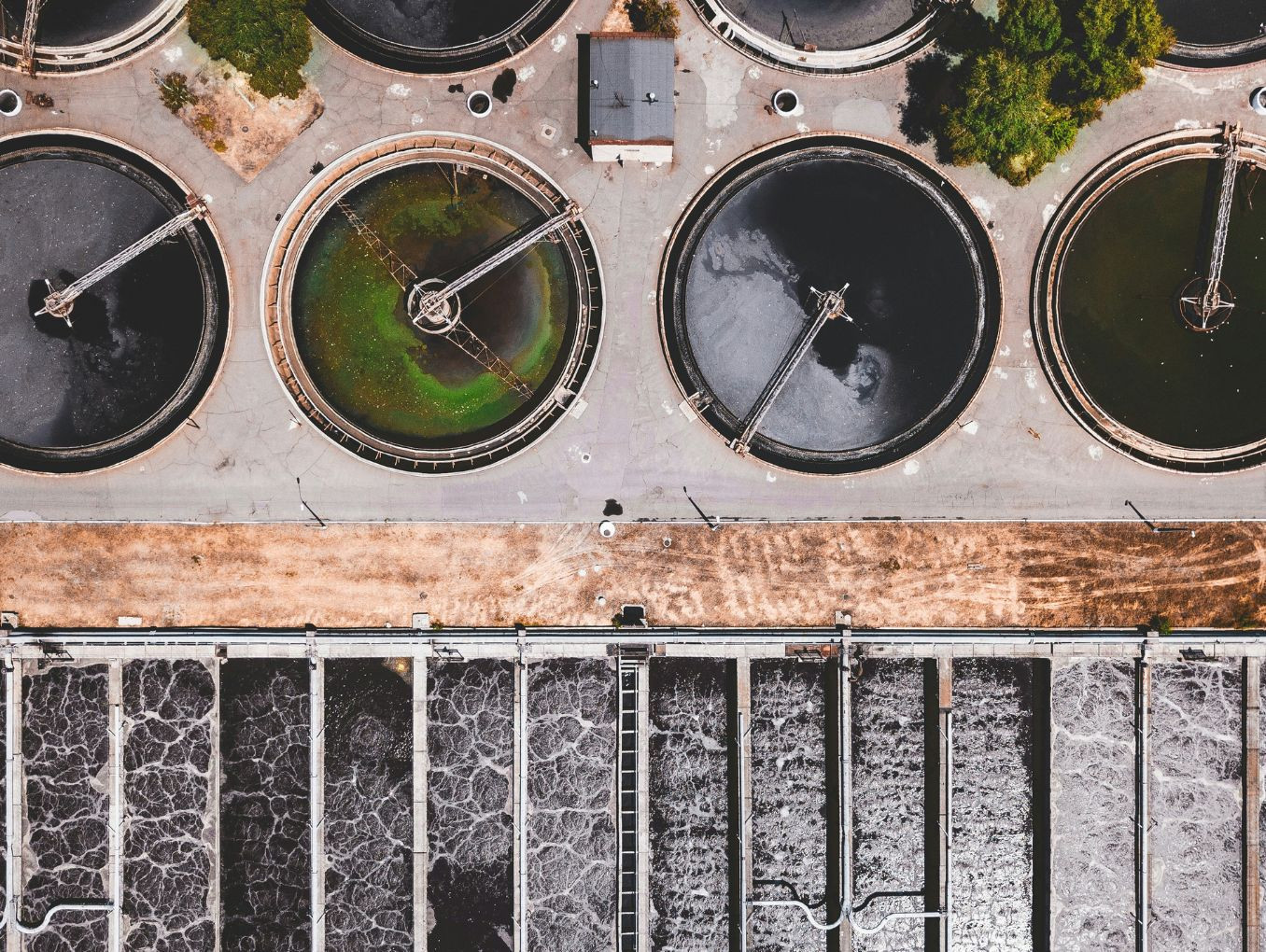
Climate and water are closely connected to our basic life needs: food, health, housing, mobility, energy, biodiversity, and quality of life. This also means that science must work across disciplinary boundaries and with actors outside of academia. No single group has all the relevant questions, research approaches, or solutions. This kind of collaboration is challenging because research partners bring different “thought styles” to the table.
Moreover, research on climate and water is strongly future-oriented, often requiring complex research methods such as computer models, even though the effects of changing climate and water conditions are becoming increasingly tangible for more and more people.
Climate and water are closely connected to our basic life needs: food, health, housing, mobility, energy, biodiversity, and quality of life. This also means that science must work across disciplinary boundaries and with actors outside of academia. No single group has all the relevant questions, research approaches, or solutions. This kind of collaboration is challenging because research partners bring different “thought styles” to the table.
Moreover, research on climate and water is strongly future-oriented, often requiring complex research methods such as computer models, even though the effects of changing climate and water conditions are becoming increasingly tangible for more and more people.
You work at the intersection of hydrology and social sciences, with a focus on inequalities in access to water. Water scarcity often leads to conflicts, for example between urban and rural areas, or residents and industry. How do such tensions threaten social cohesion, and how can they be prevented?
Tobias Krüger: Because water affects everyone and is influenced by economic activities, there are naturally different interests and conflicting goals — and such conflicts will always exist. These must be negotiated on the basis of shared knowledge.
Water should not be dominated by particular interests. It’s also not helpful to think of water territorially, because we can only solve water scarcity together. Water should be a unifying element, not a source of division.
As scientists, we need to get better at making the knowledge we produce together open and transparent. We can also create forums and formats in which these negotiation processes can take place. And we can focus attention on those people and ecosystems who are overlooked in the discourse.
Looking at Berlin: What examples show that water is not just a resource, but also a public space for encounters, recreation, and participation?
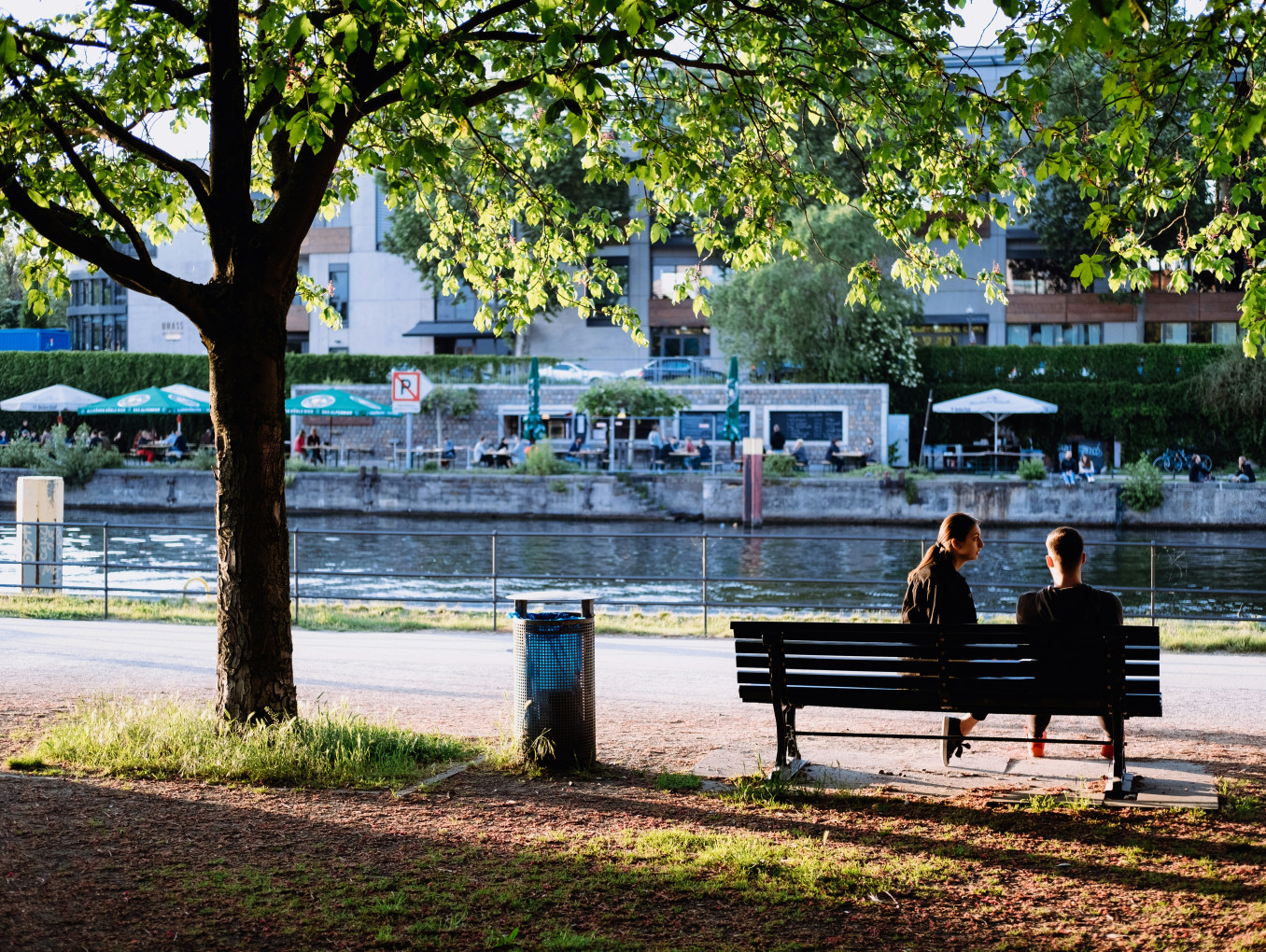
Tobias Krüger: You can see it everywhere. The countless green spaces along and around the Spree and its tributaries are a vibrant part of Berlin’s urban culture. Even if not everyone engages directly with water itself, it provides the foundation for green spaces as places for recreation, social encounters, and inclusion, for example in urban gardening initiatives.
There are also numerous excellent projects with schoolchildren, artistic initiatives, and conservation efforts that focus specifically on water, for instance along the Panke. These emerge bottom up and demonstrate how important water is to Berlin residents, and how it can bring people together.
Tobias Krüger: You can see it everywhere. The countless green spaces along and around the Spree and its tributaries are a vibrant part of Berlin’s urban culture. Even if not everyone engages directly with water itself, it provides the foundation for green spaces as places for recreation, social encounters, and inclusion, for example in urban gardening initiatives.
There are also numerous excellent projects with schoolchildren, artistic initiatives, and conservation efforts that focus specifically on water, for instance along the Panke. These emerge bottom up and demonstrate how important water is to Berlin residents, and how it can bring people together.
Research alone is not enough to solve water issues. With CliWaC, you work interdisciplinarily and involve politics, industry, art, culture, and society. How does this contribute to translating knowledge into action?
Tobias Krüger: When the actors I mentioned collaborate in research, shared knowledge is produced. Then, ideally, knowledge and action no longer need to be separated. Knowledge is directly applied by the participating decision-makers within their respective areas of influence.
However, negotiation processes always precede decisions, which is where we as scientists are called upon to take a stand based on scientific standards, so that decisions are not arbitrary. Fundamentally, we should expand the space of possible decisions and identify blind spots. Political decisions themselves should be democratic processes — science does not have the final say.
Finally, looking ahead: Where do you see the greatest opportunities for your research to improve the management of water in Berlin and Brandenburg? And what gives you hope for the future?
Tobias Krüger: I think that our close connection to water in Berlin and Brandenburg helps us recognise more clearly that we need to protect it. The educational, artistic, and conservation projects I mentioned show that many people care about water and engage with it — not least because water is exciting and fun.
Our research helps to bring knowledge together that may not be widely known or accessible. We also organise forums where different research findings and experiences can be brought together and new approaches developed to address water challenges. Water connects us more than it divides us.

BERLIN SCIENCE WEEK 2025 x BERLIN UNIVERSITY ALLIANCE
Tackling the Grand Challenges, together.
This interview is one of five in a special series created in partnership with the Berlin University Alliance (BUA). Together, we’re spotlighting how Berlin’s world-class research ecosystem is advancing transdisciplinary approaches and shaping the future. At Berlin Science Week 2025, you can meet BUA researchers, join discussions, and experience firsthand how Berlin is tackling the Grand Challenges of our time.
BERLIN SCIENCE WEEK 2025 x BERLIN UNIVERSITY ALLIANCE
Tackling the Grand Challenges, together.
This interview is one of five in a special series created in partnership with the Berlin University Alliance (BUA). Together, we’re spotlighting how Berlin’s world-class research ecosystem is advancing transdisciplinary approaches and shaping the future. At Berlin Science Week 2025, you can meet BUA researchers, join discussions, and experience firsthand how Berlin is tackling the Grand Challenges of our time.