Global Health
Health isn’t determined by medical advances alone. Our living conditions matter just as much: whether we have access to clean water and a balanced diet, safe housing and working conditions, or education. It quickly becomes clear that health is a global issue. Conditions are unequally distributed both worldwide and within individual societies, with consequences for everyone: diseases spread faster, chronic conditions increase, and entire healthcare systems are pushed to their limits.
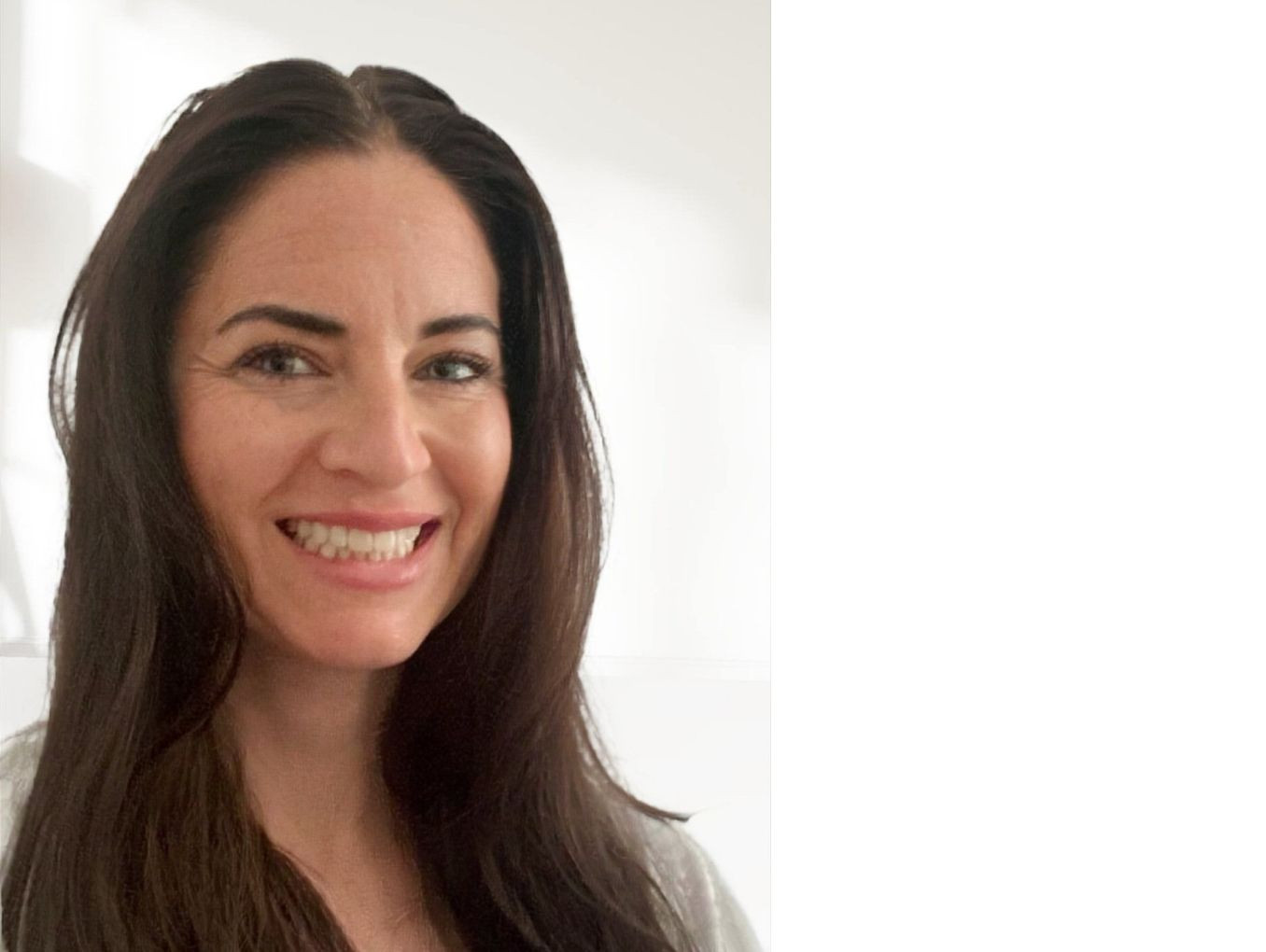
PD Dr. Stefanie Theuring from Charité – Universitätsmedizin Berlin researches these questions. She studies how inequalities affect health: from women’s reproductive health and the effects of COVID-19 on children to the experiences of migrants within healthcare systems. The latter of which she investigates as part of the Berlin University Alliance Grand Challenge “Global Health.”In conversation with us, she looks Beyond Now: What research perspectives are needed in global health to make sure no one is left behind?
PD Dr. Stefanie Theuring from Charité – Universitätsmedizin Berlin researches these questions. She studies how inequalities affect health: from women’s reproductive health and the effects of COVID-19 on children to the experiences of migrants within healthcare systems. The latter of which she investigates as part of the Berlin University Alliance Grand Challenge “Global Health.”In conversation with us, she looks Beyond Now: What research perspectives are needed in global health to make sure no one is left behind?
A CONVERSATION WITH STEFANIE THEURING
Berlin Science Week 2025’s theme is Beyond Now: it's about thinking beyond the present moment. What developments in the healthcare system do you see today becoming even bigger challenges for Berlin and Europe in coming years?
Stefanie Theuring: Alongside the skyrocketing healthcare costs in a rapidly aging society, migration is at the top of my mind; it’s also one of my main research areas. In the coming years, global migration will continue to rise, bringing with it more new and diverse challenges. Berlin is already a hub of global mobility. This creates opportunities, for example, a wide range of skills and life experiences, but also difficulties, such as unequal access to care, language barriers, or health systems that fail to account for cultural differences.
We can also expect growing challenges in women’s health: reproductive self-determination, access to preventive care, and the health impacts of mobility, conflict, or climate change. These issues are increasingly relevant across Europe. We need to make a stronger effort to provide structurally better healthcare for particularly vulnerable groups, such as refugee women, going beyond just acute care. Overall, the challenge will be to make the healthcare systems in Germany and Europe more inclusive, resilient, and globally oriented.
For me, thinking ‘Beyond Now’ means integrating international experiences early on, reducing inequalities, and seeing health as a transnational good and a human right.
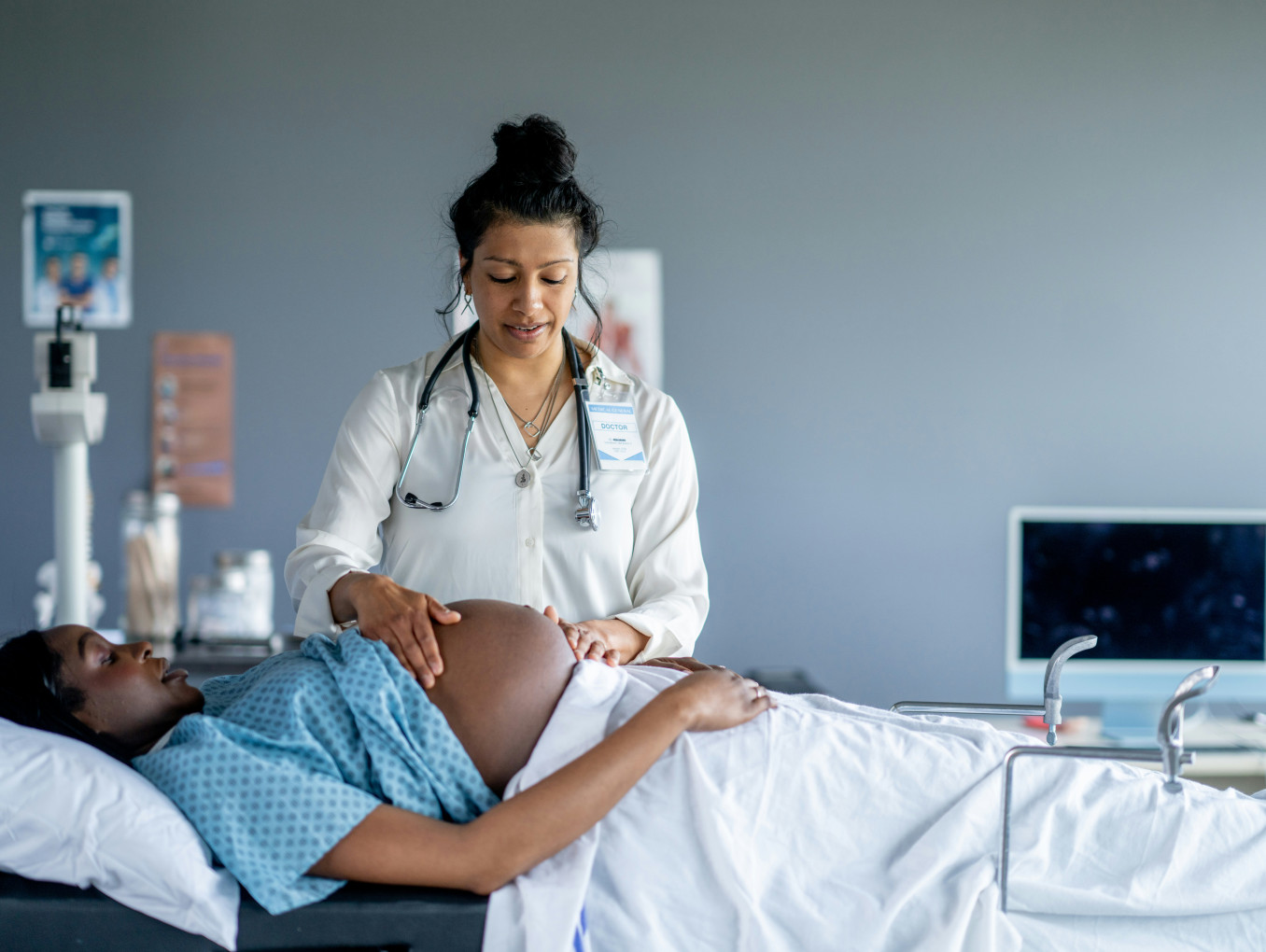
We can also expect growing challenges in women’s health: reproductive self-determination, access to preventive care, and the health impacts of mobility, conflict, or climate change. These issues are increasingly relevant across Europe. We need to make a stronger effort to provide structurally better healthcare for particularly vulnerable groups, such as refugee women, going beyond just acute care. Overall, the challenge will be to make the healthcare systems in Germany and Europe more inclusive, resilient, and globally oriented.
For me, thinking ‘Beyond Now’ means integrating international experiences early on, reducing inequalities, and seeing health as a transnational good and a human right.
The Berlin University Alliance refers to major societal transformation processes as “Grand Challenges.” Why is Global Health a Grand Challenge, and what makes these large-scale transformations more complex than other research questions?
Stefanie Theuring: The “Grand Challenge” of global health is that it doesn’t stop at national borders, and that health can never be understood in just one dimension. As scientists, we are called upon to consider biological, social, cultural, political, and technological dimensions all at once.
Pandemics make this especially clear, as do questions of mental health, care in aging societies, or humanitarian crises: medical solutions alone aren’t enough when social inequalities or restrictive political frameworks persist, and specific contexts are overlooked.
Global Health requires interdisciplinary and often also transdisciplinary research in collaboration with practitioners and civil society. Its complexity lies not only in the scale of the challenge, but also in its many layers. These problems are not linear; they demand embracing contradictions, linking evidence from diverse sources, and recognising different epistemologies and knowledge systems. Yet it is precisely in this complexity that global health shows its transformative power. Scientific innovation becomes effective when it builds bridges across disciplines, sectors, and regions.
Your research focuses, among other things, on reproductive health and HIV. Why do health crises often strongly affect women and marginalised groups in particular? Why is it important to consider diversity when it comes to health?
Stefanie Theuring: Just as health is not equally distributed, health crises rarely hit everyone equally. Women and marginalised groups are often most affected because structural inequalities become visible and get worse in crises, like during the COVID-19 pandemic.
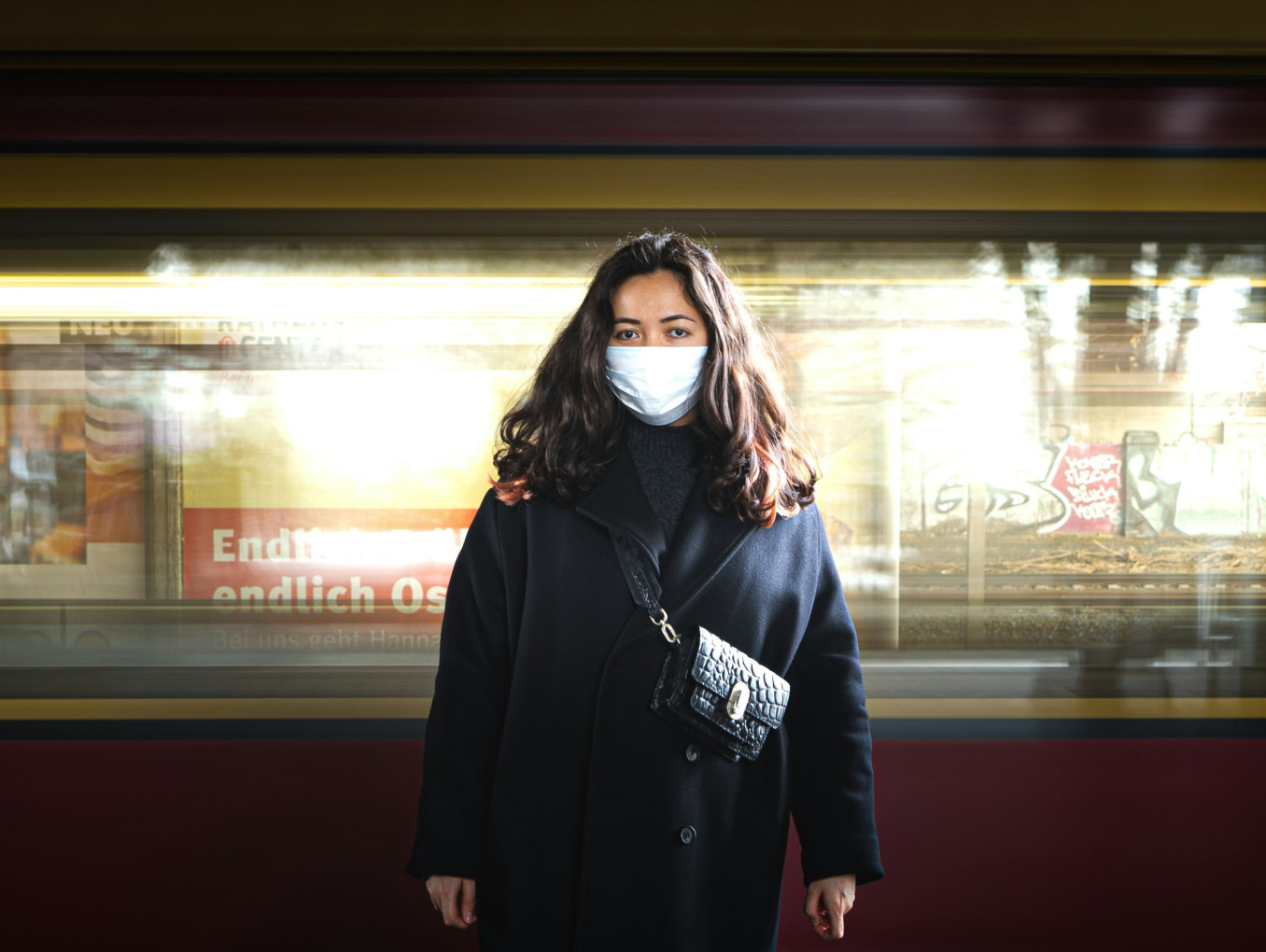
People who already have limited access to healthcare, economic security, or political participation in everyday life are more vulnerable in a crisis. A clear example is reproductive health: in many contexts, it’s treated as a lower priority during crisis, with serious consequences for pregnancy care, access to contraception, or treatment of complications. That’s why considering diversity is so important: health interventions that ignore differences in gender, age, origin, social status, legal residency, and other factors risk reinforcing existing inequalities.
Diversity means not only fairness, but also effectiveness: healthcare systems that take the diversity of patients seriously are more resilient in times of crisis and, in the long run, more sustainable. That’s why diversity isn’t a “bonus” issue; it’s a prerequisite for effective healthcare, both in Berlin and globally.
People who already have limited access to healthcare, economic security, or political participation in everyday life are more vulnerable in a crisis. A clear example is reproductive health: in many contexts, it’s treated as a lower priority during crisis, with serious consequences for pregnancy care, access to contraception, or treatment of complications. That’s why considering diversity is so important: health interventions that ignore differences in gender, age, origin, social status, legal residency, and other factors risk reinforcing existing inequalities.
Diversity means not only fairness, but also effectiveness: healthcare systems that take the diversity of patients seriously are more resilient in times of crisis and, in the long run, more sustainable. That’s why diversity isn’t a “bonus” issue; it’s a prerequisite for effective healthcare, both in Berlin and globally.
On a global level, inequality is particularly visible between the Global North and South. What differences stand out most to you?
Stefanie Theuring: The gaps in access to healthcare, infrastructure, and innovation are striking. While specialised care, modern technology, and stable insurance systems are taken for granted in Europe, basic primary care, medication, or trained personnel are often lacking in the Global South.
Research investments are also unequally distributed, and not all regions benefit from the advances that scientific progress could offer. Let me illustrate this with an example from HIV research: new long-acting medications like Lenacapavir, which is administered just every six months as an injectable for HIV prevention and already approaching a kind of vaccine, offer huge theoretical opportunities, such as preventing mother-to-child transmission of HIV. Yet for women in the Global South, this medication will hardly be available for the foreseeable future.
There’s also a structural power imbalance: who decides which health problems are prioritised, which studies are funded, or which medications are approved? It’s often actors in the Global North, who fail to adequately consider the realities of the South. We see this today in cuts to international cooperation: when programmes like those from USAID are discontinued, HIV deaths in Africa rise immediately. The result is a double inequality: unequal access to care and unequal participation in shaping the global health agenda.
Where do you see similar patterns in Berlin?
Stefanie Theuring: Berlin is like a microcosm of global patterns: progress exists, but access to it is unevenly distributed. In other words, the inequalities we see globally are reflected here, though in different ways. Here too, social and legal status often determine who can access healthcare and who cannot. People without papers, with insecure residence status, or precarious jobs often seek medical help far too late because they fear the costs or legal consequences.
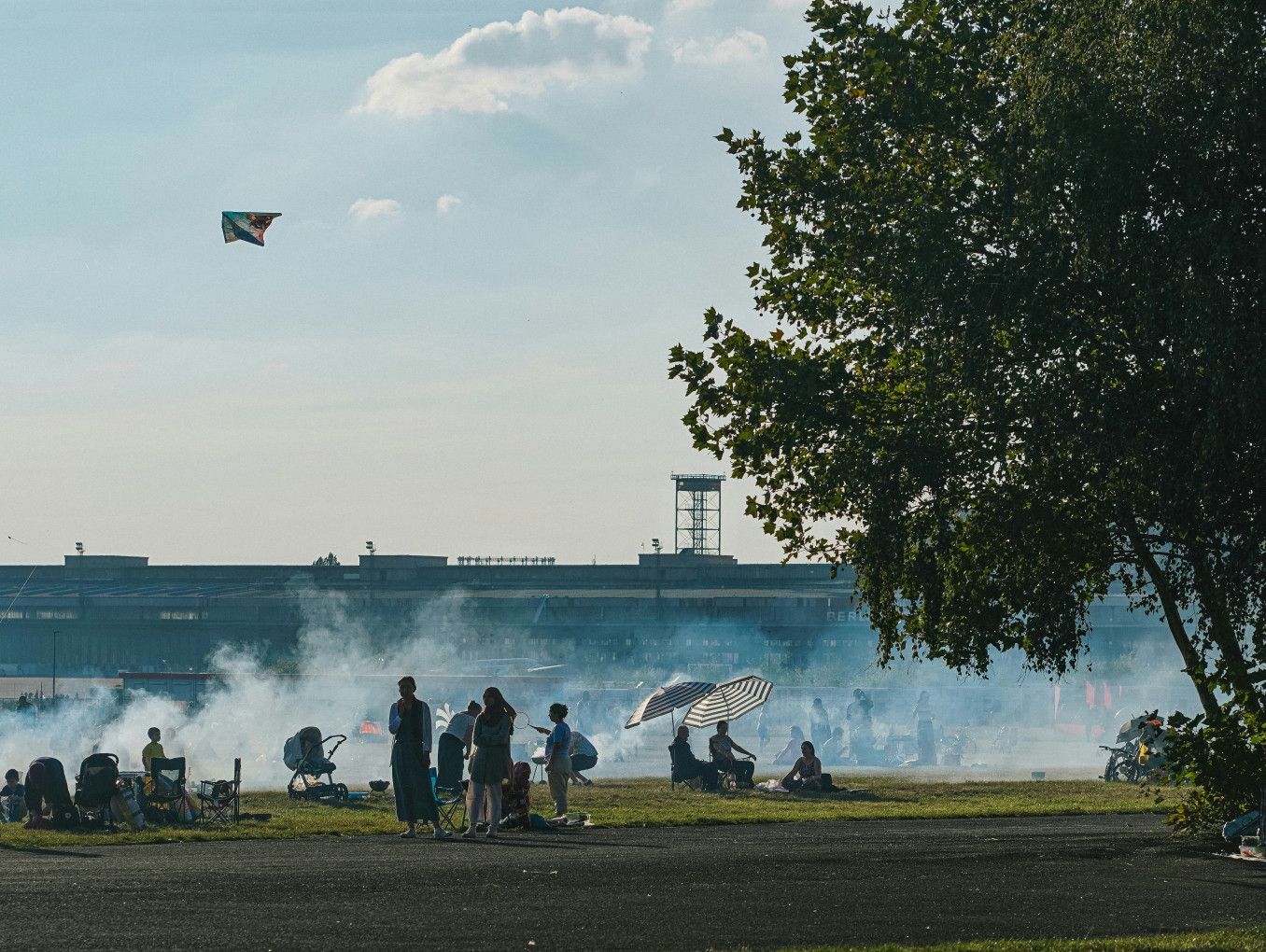
Disparities also exist within regular healthcare: language barriers, limited cultural sensitivity, and lack of diversity among healthcare staff all contribute to unequal care. For example, migrant women are more likely to experience gaps in prenatal care. We’re also seeing growing social divides in Berlin: people with higher income and education benefit more from prevention, new therapies, and digital health services, while others are left behind due to financial, informational, or structural barriers.
In short, anyone who isn’t part of the visible majority in a city like Berlin risks being excluded from healthcare and research, just like many people in the Global South. Policy needs to make these groups visible here as well.
Disparities also exist within regular healthcare: language barriers, limited cultural sensitivity, and lack of diversity among healthcare staff all contribute to unequal care. For example, migrant women are more likely to experience gaps in prenatal care. We’re also seeing growing social divides in Berlin: people with higher income and education benefit more from prevention, new therapies, and digital health services, while others are left behind due to financial, informational, or structural barriers.
In short, anyone who isn’t part of the visible majority in a city like Berlin risks being excluded from healthcare and research, just like many people in the Global South. Policy needs to make these groups visible here as well.
Looking ahead to 2035: what progress in global health would be crucial to overcome today’s inequalities, and what gives you hope we can achieve it?
Stefanie Theuring: The progress needed to overcome inequalities in global health is closely tied to addressing the global power imbalance. We need fairer access to healthcare and medical advancements, whether they be vaccines, therapies, or new technologies. Availability and affordability of medicines and technologies should no longer depend on where you are born.
Secondly, we need strong healthcare systems in the Global South that are not dependent on external programmes, but that are sustainable long term and function on their own. For this we need new forms of global collaboration that take expertise from the “South” as seriously as that from the “North”.
The current global political situation doesn’t inspire much optimism. But we can see small steps in the right direction. More and more young scientists and activists are calling for fairer structures in global health policy. The COVID-19 pandemic, despite setbacks, showed that international solidarity is possible, for example through rapid sharing of data and knowledge. In Berlin too, awareness is growing that diversity and global perspectives are prerequisites for fair and effective health.
I believe that by 2035 we can make progress if we are bold enough today to change structures.
BERLIN SCIENCE WEEK 2025 x BERLIN UNIVERSITY ALLIANCE
Tackling the Grand Challenges, together.
This interview is one of five in a special series created in partnership with the Berlin University Alliance (BUA). Together, we’re spotlighting how Berlin’s world-class research ecosystem is advancing transdisciplinary approaches and shaping the future. At Berlin Science Week 2025, you can meet BUA researchers, join discussions, and experience firsthand how Berlin is tackling the Grand Challenges of our time.

BERLIN SCIENCE WEEK 2025 x BERLIN UNIVERSITY ALLIANCE
Tackling the Grand Challenges, together.
This interview is one of five in a special series created in partnership with the Berlin University Alliance (BUA). Together, we’re spotlighting how Berlin’s world-class research ecosystem is advancing transdisciplinary approaches and shaping the future. At Berlin Science Week 2025, you can meet BUA researchers, join discussions, and experience firsthand how Berlin is tackling the Grand Challenges of our time.