
Responsible Innovation in Times of Transformation
Innovation and responsibility are connected, and the field of care clearly shows how. Digital assistants remind people to take their medication, sensors report falls, and AI-powered platforms support caregivers. Yet these technologies also carry risks, from growing social inequality to loss of autonomy and dependencies on providers.
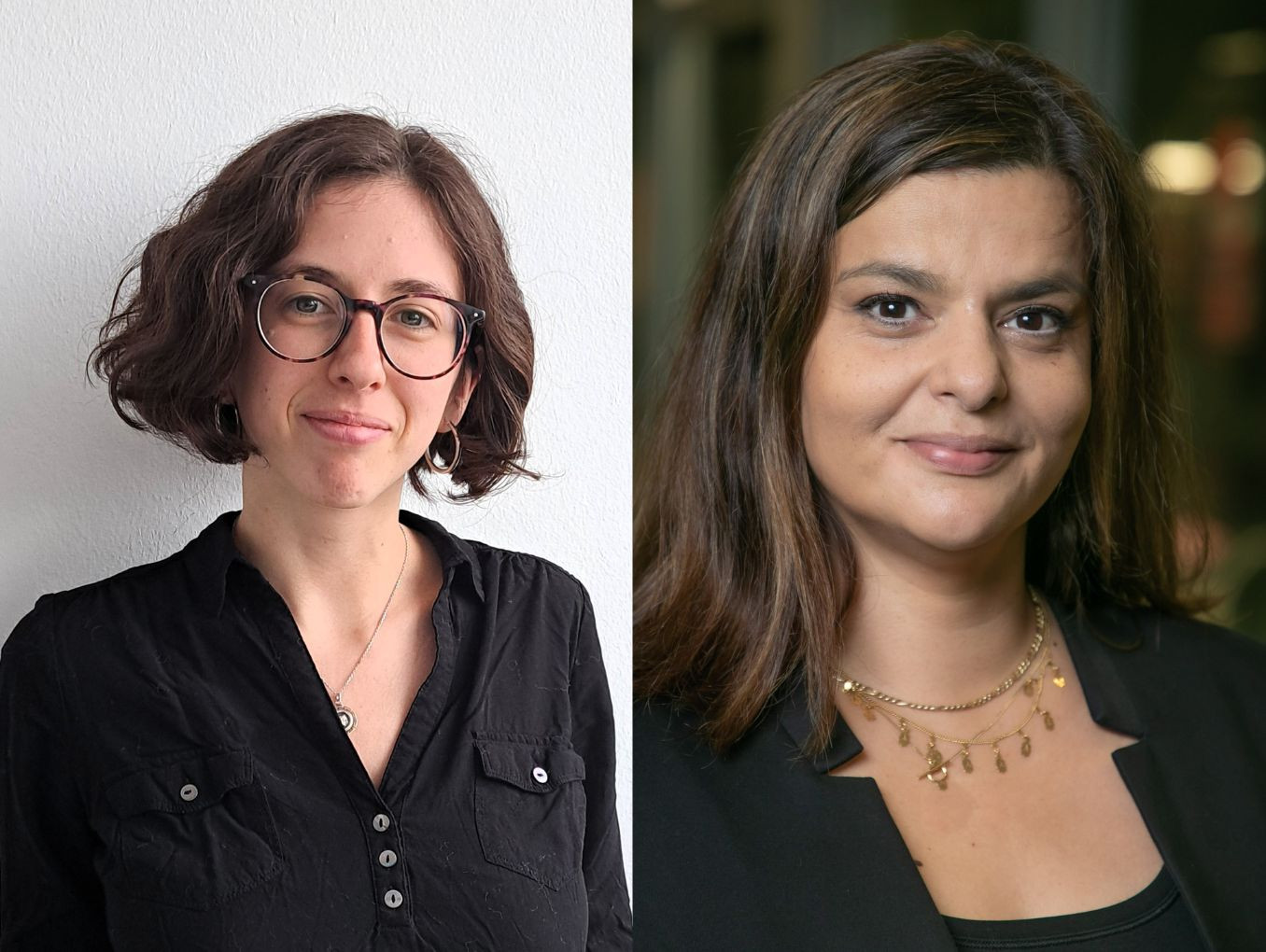
At the Technical University of Berlin, Prof. Dr. Nancy Wünderlich and Micaela Alquezar are researching digital care in aging societies as part of the project CaringS. The project is funded by the Berlin University Alliance within the Grand Challenge ‘Responsible Innovation in Times of Transformation’. They are developing ways to design digital care ecosystems that are fair, sustainable, and human-centred. In conversation with us, they look Beyond Now: Which innovations truly help older adults – and how can responsibility and progress be brought into balance?
At the Technical University of Berlin, Prof. Dr. Nancy Wünderlich and Micaela Alquezar are researching digital care in aging societies as part of the project CaringS. The project is funded by the Berlin University Alliance within the Grand Challenge ‘Responsible Innovation in Times of Transformation’. They are developing ways to design digital care ecosystems that are fair, sustainable, and human-centred. In conversation with us, they look Beyond Now: Which innovations truly help older adults – and how can responsibility and progress be brought into balance?
A CONVERSATION WITH NANCY WÜNDERLICH AND MICAELA ALQUEZAR
The Berlin Science Week 2025 theme is Beyond Now: it’s about thinking beyond the present moment. In the context of aging populations in Germany and Europe today, what challenges are we facing?
Nancy Wünderlich: Aging societies pose a wide range of challenges. Most visible is the growing gap between needed and available resources, whether in financing the pension and healthcare systems or more concretely in the area of care work. This is where our project CaringS comes in. We focus on the so-called ‘care gap’, which is the gap between the number of people who need care and those who can provide it, professionally or privately.
A central challenge in the coming years will be to develop sustainable and fair strategies to reduce this gap. For us, this includes the question of how technologies can be used responsibly. CaringS examines how digital solutions and new care networks can be designed, distributed, and implemented so that they benefit everyone involved: those who need care, professional caregivers, and family members.
In this sense, we see Beyond Now as an invitation to go beyond the immediate challenges. We don’t just want to note that there is a shortage of caregivers and resources; we want to actively work on solutions. This means viewing technologies not as isolated “tech projects” but as part of broader systems involving people, organisations, and structures. Our goal is to find ways for technological innovations to contribute to well-being, relief, and fairness in the care system.
In this sense, we see Beyond Now as an invitation to go beyond the immediate challenges. We don’t just want to note that there is a shortage of caregivers and resources; we want to actively work on solutions. This means viewing technologies not as isolated “tech projects” but as part of broader systems involving people, organisations, and structures. Our goal is to find ways for technological innovations to contribute to well-being, relief, and fairness in the care system.
The Berlin University Alliance calls these kinds of major societal challenges and transformation processes, “Grand Challenges”. Why is responsible innovation a “Grand Challenge”? What makes these large transformation issues more complex than other research questions?
Micaela Alquezar: I believe Grand Challenges are defined by both the scope of the questions they raise and the type of the problems they address. These challenges affect societies worldwide and can only be addressed through a transdisciplinary approach, requiring a broad view of their interconnected causes and effects. Responsible Innovation is itself a Grand Challenge because it shares these traits.
Innovations must not only involve multiple actors but also be accountable for past actions and take a forward-looking approach to anticipate and manage their consequences. This is particularly complex because it’s not just about technical solutions – it’s also about navigating uncertainties, potential societal resistance, institutional barriers, and conflicts between goals, such as technological efficiency, social justice, and environmental sustainability. Such complexity can only be addressed by teams from different disciplines working closely with practice partners and stakeholders. Moreover, responsible innovation requires specific processes including early involvement of those affected, transparent decision-making, attention to unintended effects, and continuous assessment of risks and benefits.
In your project CaringS, you investigate digital care ecosystems. What opportunities do they offer for older adults and their families, especially in a city like Berlin, where many people live alone?
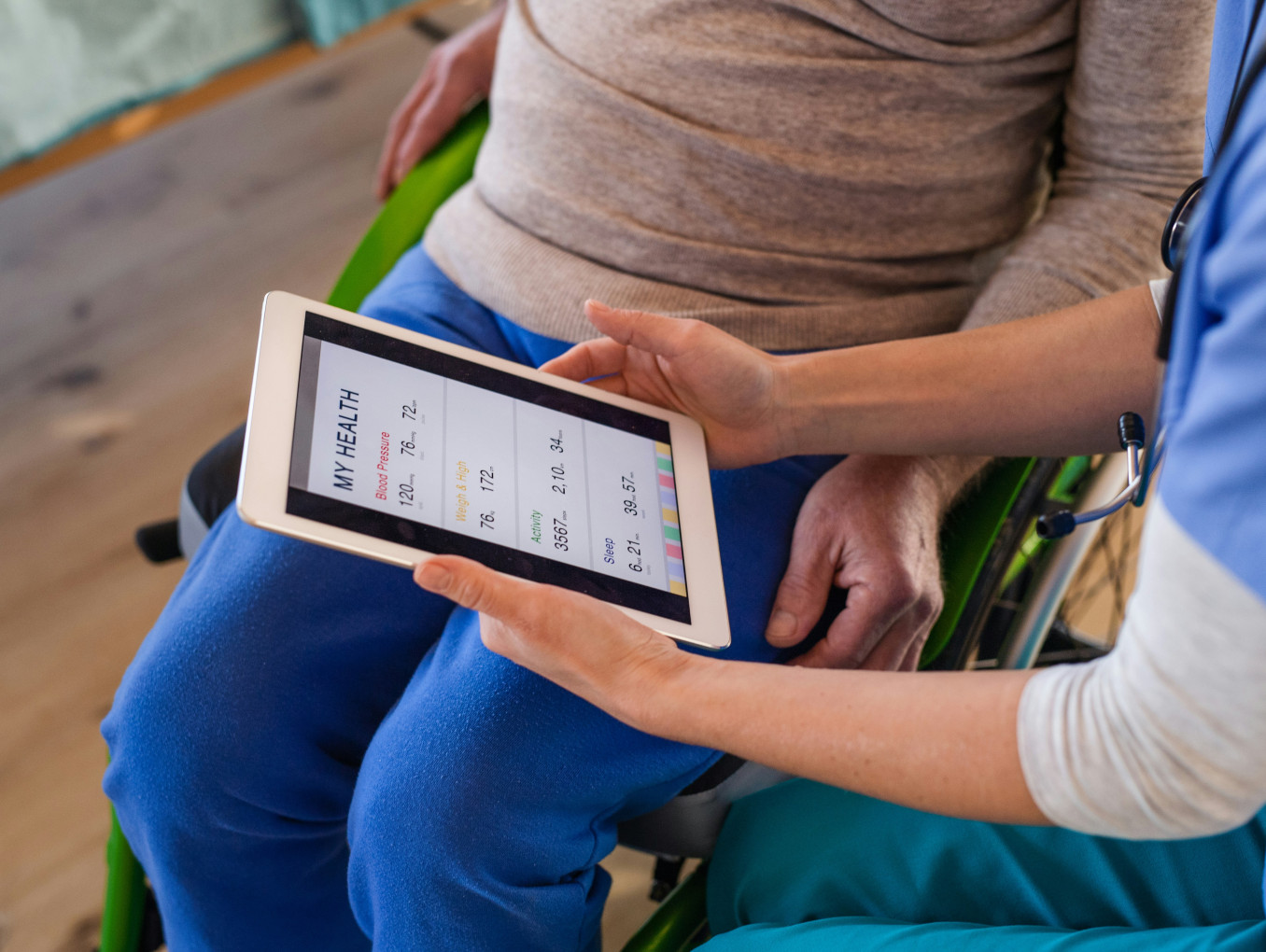
Micaela Alquezar: In our project, we explore how to implement a digital care ecosystem in a practical and effective way. These systems have great potential to improve the quality of life for people receiving care. Digital tools that support everyday tasks, like medication reminders, can help people stay independent and less reliant on others. Digital applications that securely consolidate health data and share it with doctors can also enable personalised therapies that improve health outcomes.
For family members, such a digital care ecosystem primarily offers greater security and peace of mind. Sensors for falls or inactivity let them monitor their loved ones without having to check in constantly. This helps families stay connected and informed, even if some members live alone or far away.
It’s important that these technologies are designed and used responsibly. They should ease burdens, not create new ones, provide genuine relief and contribute to a higher quality of life. CaringS collaborates with practitioners to design systems that deliver real benefits for everyone involved — care recipients, relatives, and caregivers.

For family members, such a digital care ecosystem primarily offers greater security and peace of mind. Sensors for falls or inactivity let them monitor their loved ones without having to check in constantly. This helps families stay connected and informed, even if some members live alone or far away.
It’s important that these technologies are designed and used responsibly. They should ease burdens, not create new ones, provide genuine relief and contribute to a higher quality of life. CaringS collaborates with practitioners to design systems that deliver real benefits for everyone involved — care recipients, relatives, and caregivers.
Innovations are often assumed to be automatically positive. Why is it important to question this assumption? Can you give examples of innovations that are not responsibly designed?
Nancy Wünderlich: Some innovations involve such complexity that their effects can never be fully predicted. Even when innovations are designed with good intentions, their effects aren’t automatically positive. New technologies create opportunities, but they also bring risks including surveillance, data breaches, and growing dependence on providers.
These consequences are often paradoxical. The same technology can connect us with others while also isolating us. It can help organise our daily lives, yet at the same time create new forms of chaos through information overload. For example, digital documentation systems in care are intended to simplify workflows, but in practice often add time demands and stress. This creates the paradox: technology designed to relieve can instead become a burden. This duality shows why innovations shouldn’t be assumed inherently progressive but need to be approached critically and designed responsibly. Only by anticipating potential side effects early and including the perspectives of those affected can technologies truly fulfil their potential and improve quality of life.
AI is increasingly used in care, for instance to assess care needs, in robotic assistance systems, or in chatbots for older adults. What do you see as the main ethical challenges of AI in care, and how can trust in these technologies be fostered?
Nancy Wünderlich: I see two main areas where ethical challenges in AI for care are most evident, and they are closely connected. Users need to be confident that their data and conversations, such as those with chatbots, remain confidential. At the same time, users expect that systems intervene if they detect warning signs, such as signs of severe depression. This creates an ethical tension between safeguarding privacy and preventing harm, which will need to be carefully and consciously managed in the coming years.

Another risk is that AI is not neutral: algorithms often reproduce the stereotypes and biases found in the societies that generate their training data. When assessing care needs, this can result in inaccurate evaluations and unequal treatment.
Trust can be built by clearly communicating that chatbots or robotic assistants are meant to complement, not replace human care. Privacy must be protected through principles like professional confidentiality, while human oversight must ensure responsible use of these technologies.
Another risk is that AI is not neutral: algorithms often reproduce the stereotypes and biases found in the societies that generate their training data. When assessing care needs, this can result in inaccurate evaluations and unequal treatment.
Trust can be built by clearly communicating that chatbots or robotic assistants are meant to complement, not replace human care. Privacy must be protected through principles like professional confidentiality, while human oversight must ensure responsible use of these technologies.
Looking ahead to 2035: Which aspects of responsibility should have become standard practice in innovation processes?
Micaela Alquezar: By 2035, I hope that a responsible stance becomes standard practice in innovation. Above all, this includes accountability: innovators must not only ensure that their work delivers benefits but also anticipate potential negative consequences and take action to prevent or address them.
It should also be a given that innovation cannot solely be driven by profit. The goal should be to enhance the well-being of people, other living beings, and the environment. Innovations aimed solely at short-term gains often overlook their long-term social and environmental impacts. Strong, independent research is essential to enable such responsible innovation. Universities and public research institutions should be adequately funded to pursue developments without the constraints of private market pressures.
By 2035, I hope these principles will no longer be the exception but the norm: innovation as a global, sustainable, and fair process that benefits everyone.

BERLIN SCIENCE WEEK 2025 x BERLIN UNIVERSITY ALLIANCE
Tackling the Grand Challenges, together.
This interview is one of five in a special series created in partnership with the Berlin University Alliance (BUA). Together, we’re spotlighting how Berlin’s world-class research ecosystem is advancing transdisciplinary approaches and shaping the future. At Berlin Science Week 2025, you can meet BUA researchers, join discussions, and experience firsthand how Berlin is tackling the Grand Challenges of our time.
BERLIN SCIENCE WEEK 2025 x BERLIN UNIVERSITY ALLIANCE
Tackling the Grand Challenges, together.
This interview is one of five in a special series created in partnership with the Berlin University Alliance (BUA). Together, we’re spotlighting how Berlin’s world-class research ecosystem is advancing transdisciplinary approaches and shaping the future. At Berlin Science Week 2025, you can meet BUA researchers, join discussions, and experience firsthand how Berlin is tackling the Grand Challenges of our time.