Press Kit
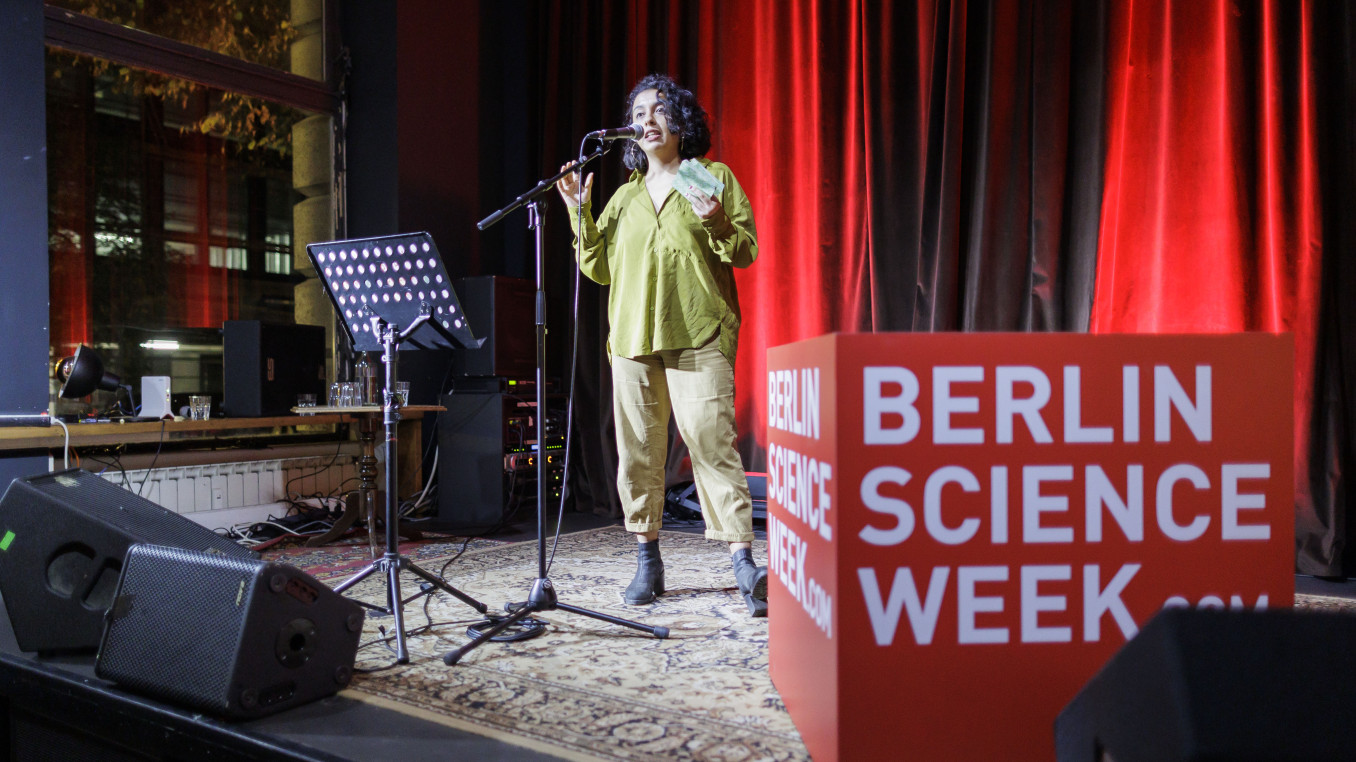
Science is personal. From 1 to 10 November 2026, Berlin Science Week turns the city into a playground of scientific ideas, with its Festival Centre at Haus der Kulturen der Welt (HKW) from 6 to 8 November.
This press kit gives you everything you need for your coverage: key facts, story ideas by beat, programme highlights, images and contacts. We are happy to arrange interviews with researchers, artists and the festival team, as well as filming and photo opportunities across the city.
- Press contact: press@berlinscienceweek.com
Press Pass: Journalists can register for a free Press Pass for the Festival Centre (6–8 November 2026) - see button.
- Festival: 1–10 November 2026, citywide
- Festival Centre: 6–8 November 2026, Haus der Kulturen der Welt (HKW), John-Foster-Dulles-Allee 10, 10557 Berlin
- Theme: In Touch – Science is personal
- Events: +350 in total – ~240 citywide and 110+ at the Festival Centre
- Venues: universities, research institutes, museums, cultural spaces and 33 public libraries from Spandau to Marzahn
- Programme: seven event tracks, from Body & Mind to Through Senses & Stories
- Partners: 230+ from science, culture, business and civil society
- Visitors: 35.000 in 2025
- Admission: Festival Centre free with the 3-Day Festival Centre Pass; citywide events as listed per event
- Host: Falling Walls Foundation, funded by the Berlin Senate Department for Higher Education and Research, Health and Long-Term Care
- Online: berlinscienceweek.com · @berlinscienceweek · #BerlinScienceWeek26 #ScienceIsPersonal
Science is personal. Under the theme In Touch, Berlin Science Week 2026 turns to the personal side of science: how research touches our lives, how it changes us, and how it connects us with one another. After Common Ground (2024) and Beyond Now (2025), the focus returns to the individual: to those who do science and to those whose lives are shaped by it.
In Touch asks: What does science mean to me? How does it shape what I trust, what I believe, how I make sense of things? The programme brings researchers into the room to talk about what drives them and why they couldn't stop asking.
The programme is organised into seven event tracks. Rather than grouping events by discipline, each track marks a touchpoint between science and everyday life:
- Trust & Responsibility: what it takes to keep evidence and public life connected
- Everyday Infrastructure: the hidden science behind the systems we rely on every day
- Work & Learning: how research is changing the way we work, learn and build careers
- Body & Mind: how science helps us understand and care for our bodies and minds
- Planetary Matters: our relationship with the planet we depend on, from the soil to the stars
- Frontiers of Knowledge: curiosity-driven research at the edge of what we know
- Through Senses & Stories: science experienced as image, sound and story
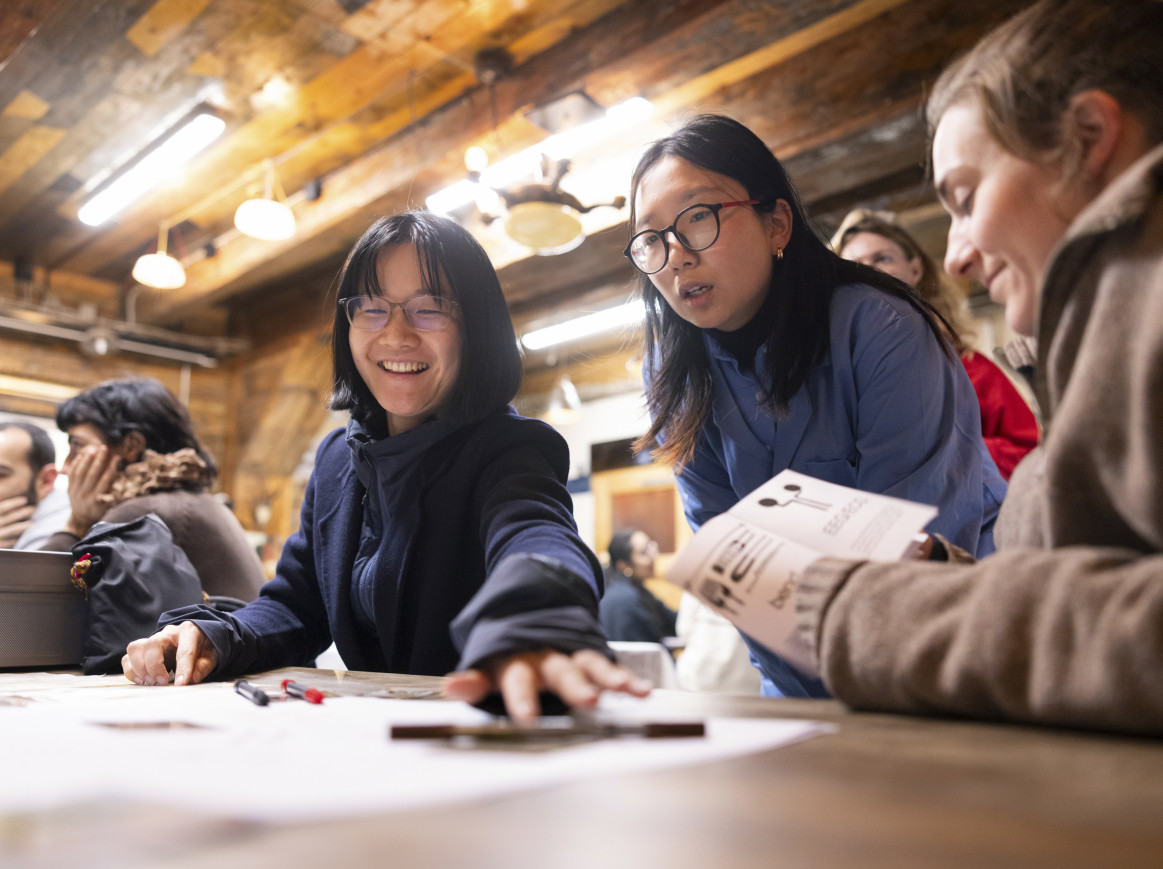
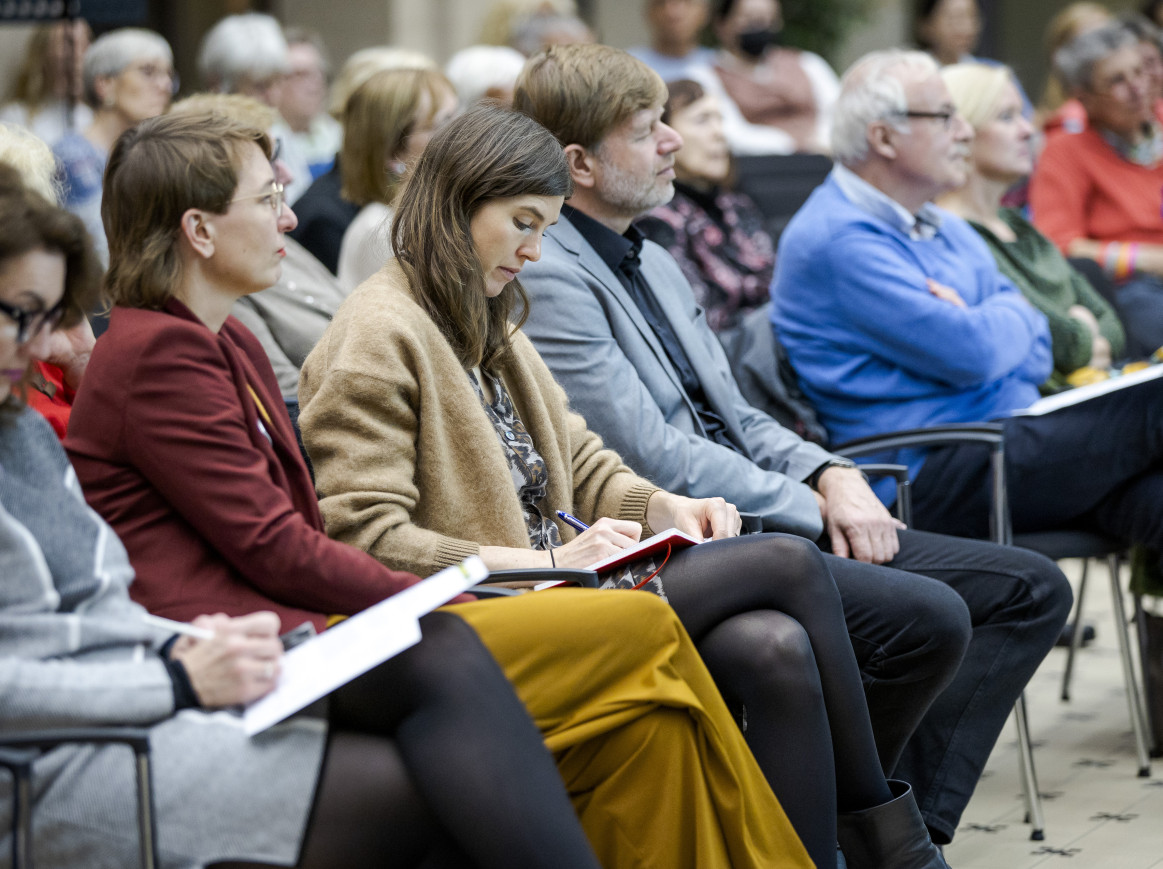
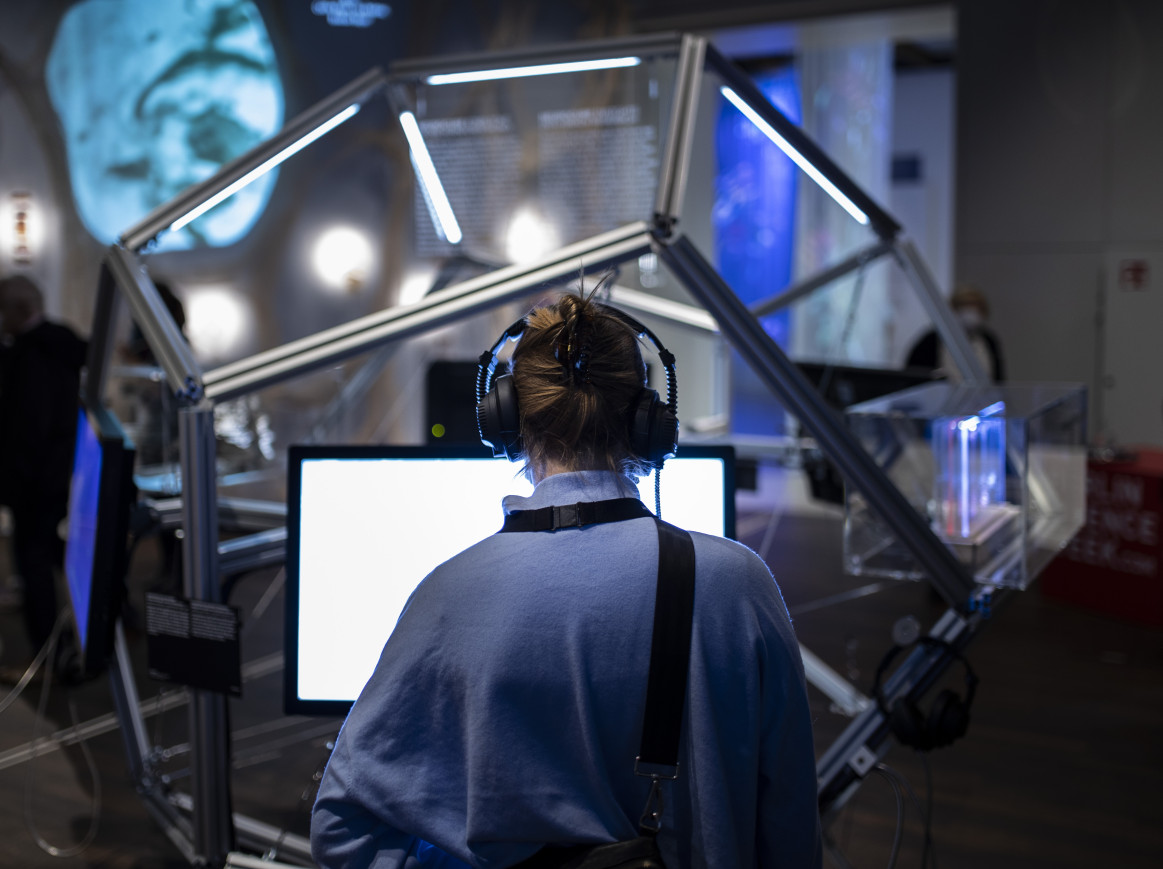
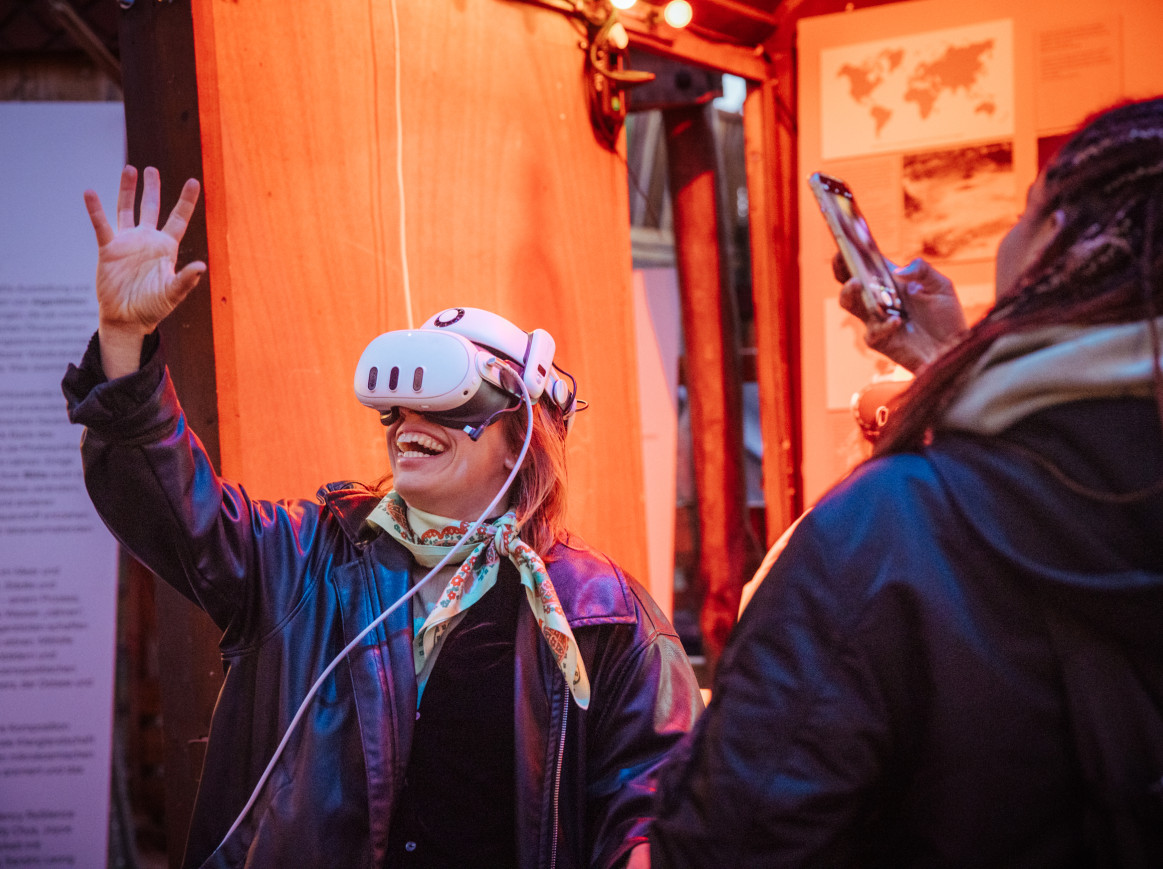
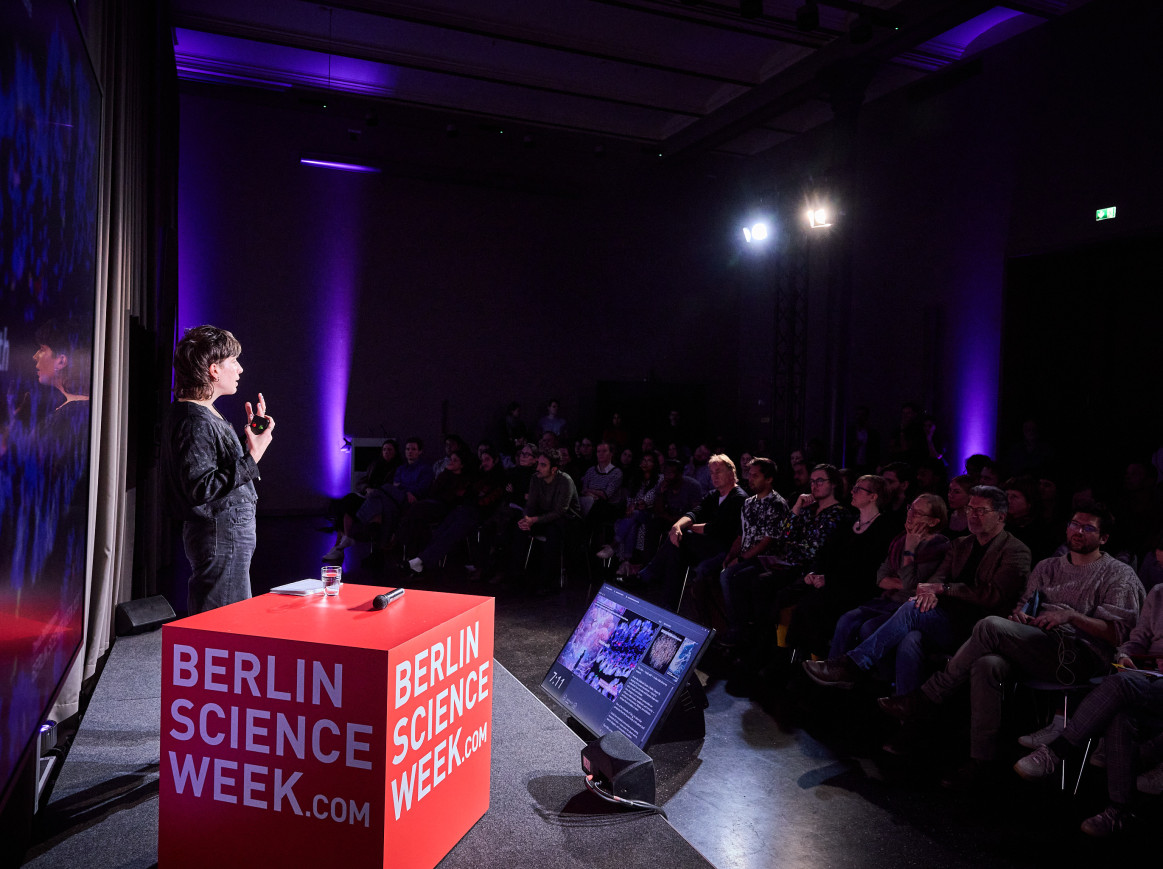
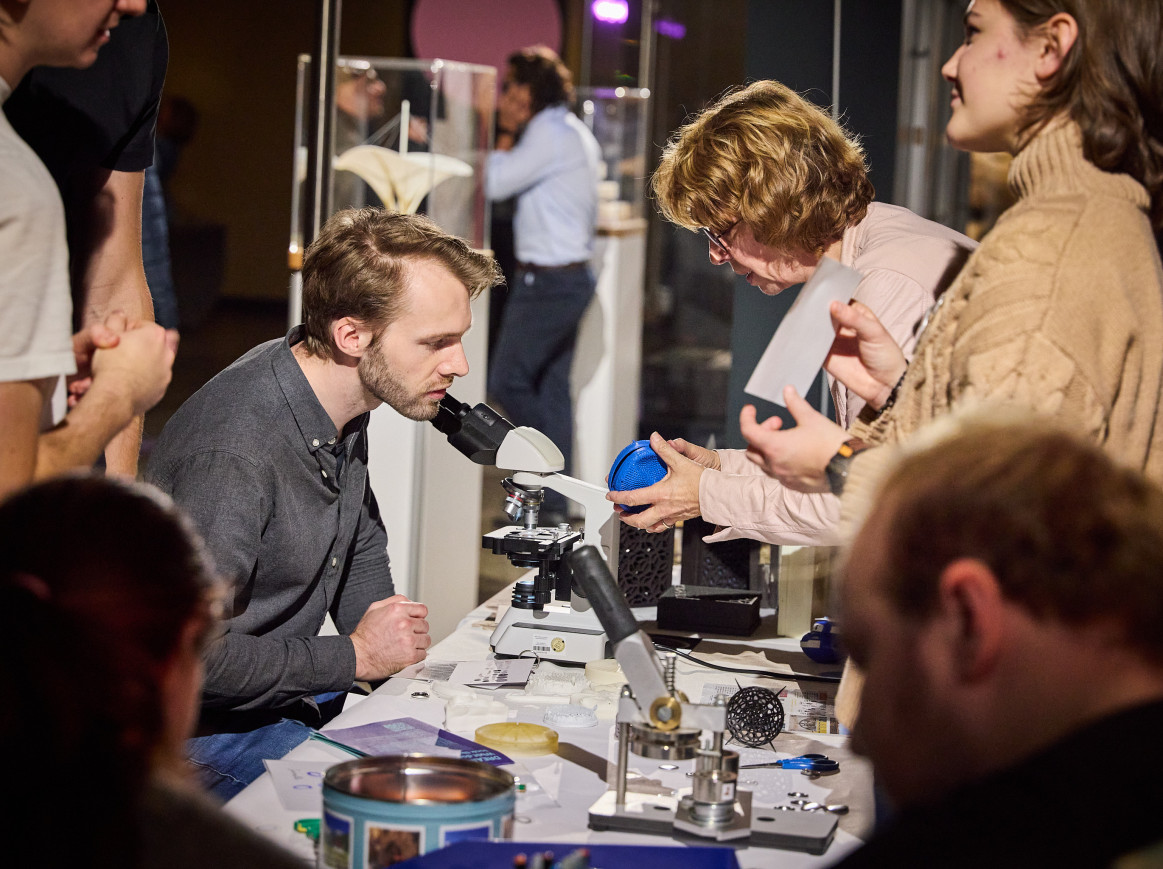
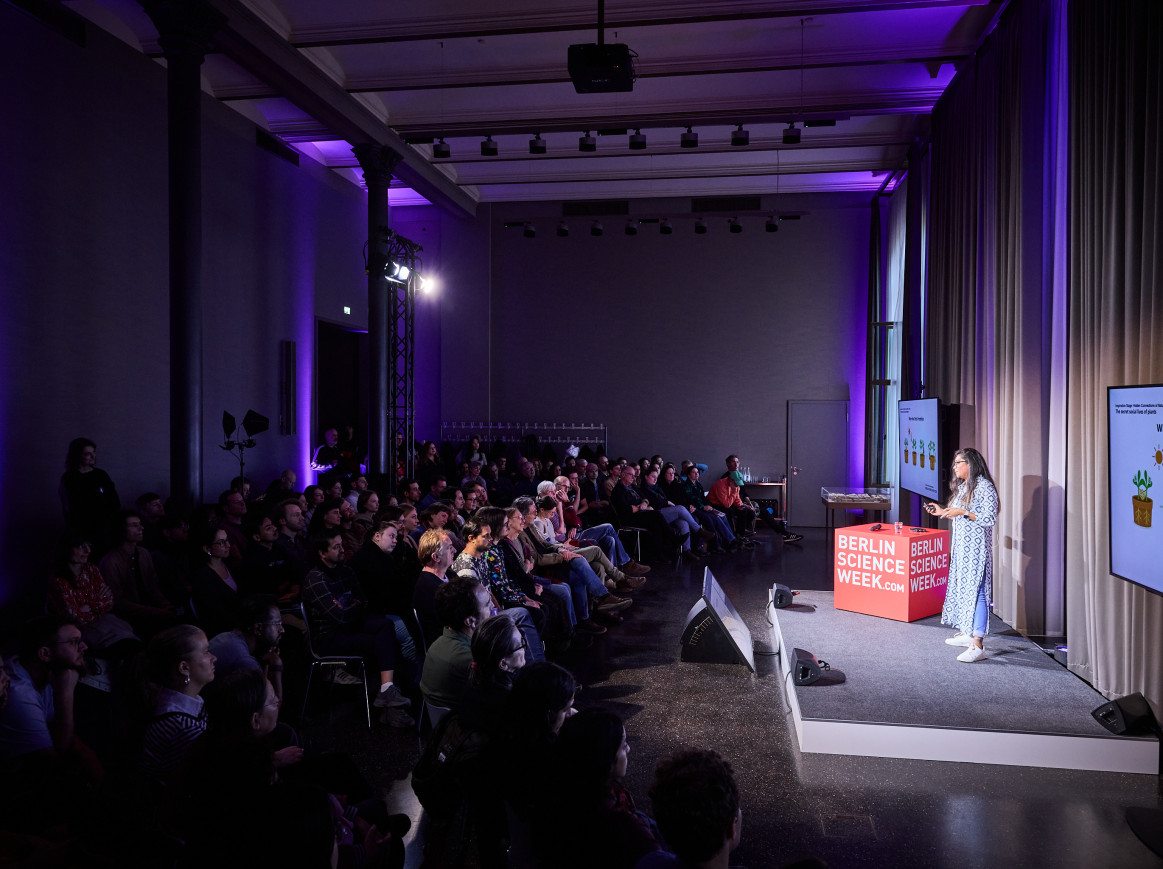
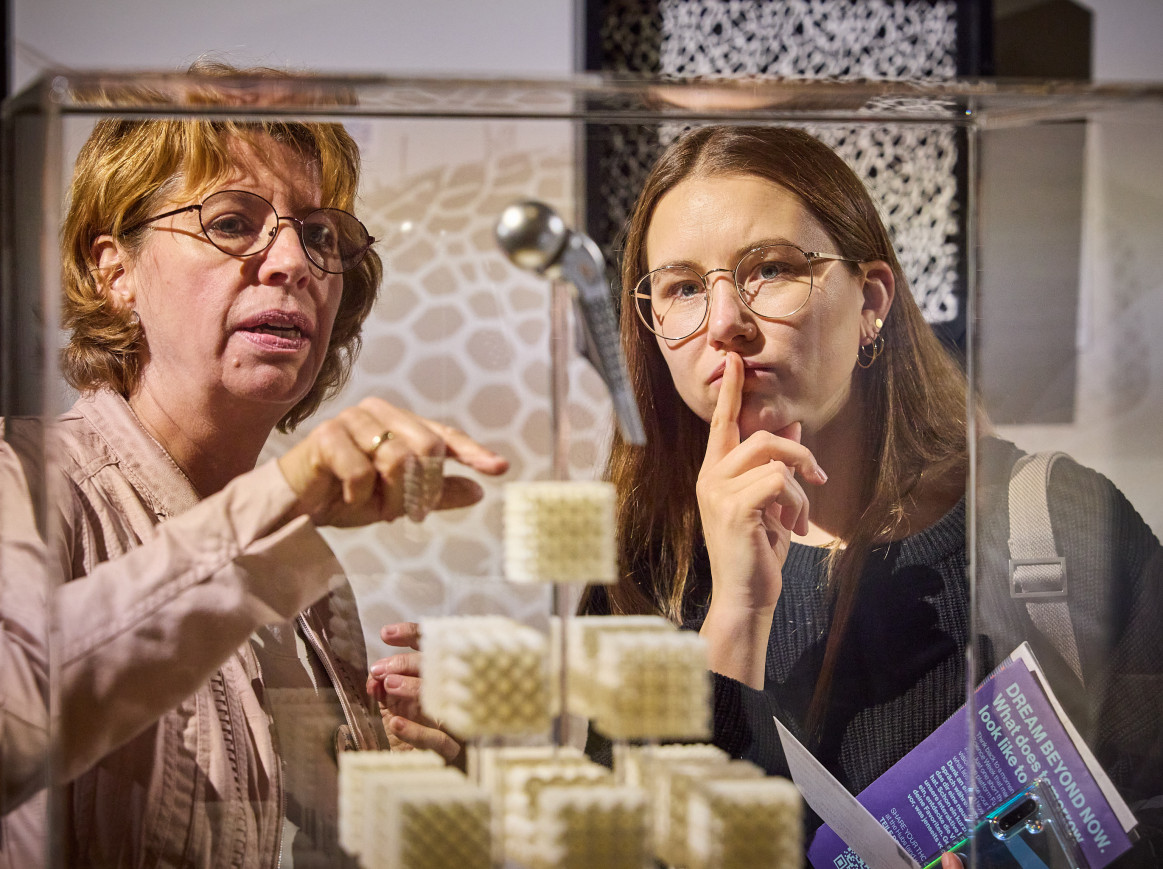
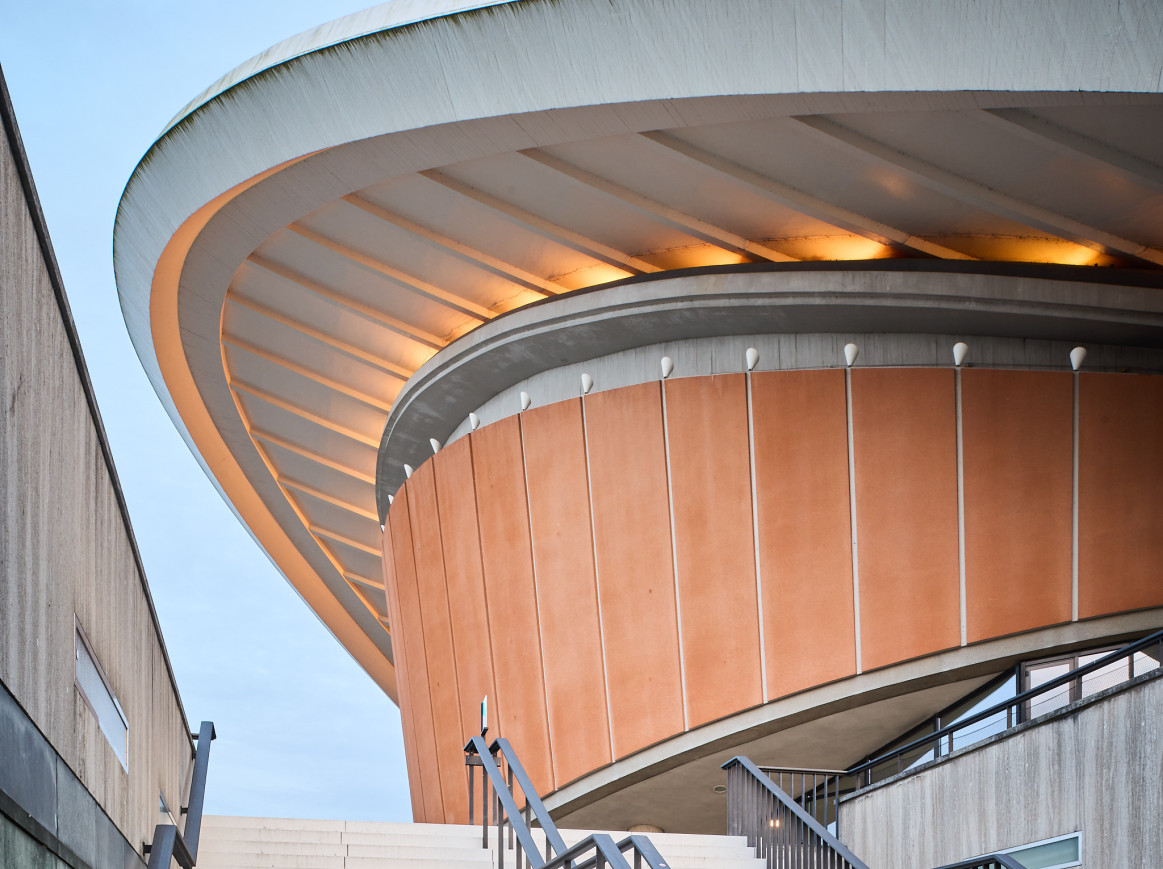
From 6–8 November 2026, Berlin Science Week transforms Haus der Kulturen der Welt (HKW) into a hands-on hub for science and society. With more than 110 events under one roof – talks, workshops, performances, exhibition stands and networking formats – the Festival Centre invites visitors of all ages to connect complex ideas to everyday life and meet the researchers behind the work. Each day has its own focus:
Friday, 6 Nov – Science in motion: transfer, science communication, careers and the debates shaping the field.
- 13:00 | In Touch: Festival Centre Opening – Turing Award winner Yoshua Bengio, one of the “godfathers of AI”, talks with BBC presenter Stephanie Hare about how to build AI that serves the common good. Afterwards, Sibylle Anderl (DIE ZEIT) and transformation psychologist Irina Nalis discuss what AI is doing to us (in English and German)
- 15:30 | In Touch with the Unknown – Nobel laureate Brian Schmidt and physicist Harry Cliff on why the universe doesn't add up, guided by particle physicist Clara Nellist
Saturday, 7 Nov – Science embodied and experienced: art-science collaborations, performances and the forms knowledge can take.
- 12:30 | Wer bin ICH eigentlich? – for kids and families: TV presenter Clarissa Corrêa da Silva on genes, secrets and how much science is in you (in German)
- 13:00 | Fertile Void: Along, Across, and Against the Grain – keynote with Cécile Malaspina, Sha Xin Wei and Muindi Fanuel Muindi on quantum physics, philosophy and Black radical sonics
- 14:15 | The Evidence – live recording of BBC podcast with Claudia Hammond on how hormones shape who we are
- 16:00 | Europe needs a Plan: Science & Arts in the AI Age – Francesca Bria and José Luis de Vicente (Archipelago of Possible Futures), artist Olafur Eliasson, quantum physicist Tommaso Calarco (Forschungszentrum Jülich) and Bettina Kames (LAS Art Foundation) on AI sovereignty and the role of the arts
- 21:00 | Cells' Ears – a performance that becomes an experiment with living heart cells
- 21:30 | Queens of Science – a science theatre drag show
Sunday, 8 Nov – Science as a way of seeing: stargazing, book readings and unseen worlds, from your cells to the cosmos.
- 12:15 | DLR_Raumfahrt_Show – for kids and families: will we soon live on Mars? Live from the frontiers of space research (in German)
- 14:30 | Mehr Geschichten aus der Geschichte – reading with podcasters Daniel Meßner and Richard Hemmer (in German)
- 16:30 | Ig Nobel Prizes – founder Marc Abrahams with prize winners and their weird and wonderful research
- 19:00 | Falling Walls Science Summit x Berlin Science Week Aftershow (invite only)
Admission is free with the 3-Day Festival Centre Pass: https://pretix.eu/berlinscienceweek/2026-festival/c/IcqAlYpG0/
Opening hours: Fri 6 Nov 12:30–00:00 · Sat 7 Nov 10:00–00:00 · Sun 8 Nov 09:30–19:30
Address: Haus der Kulturen der Welt, John-Foster-Dulles-Allee 10, 10557 Berlin
Beyond the Festival Centre, ~240 events open the doors of Berlin's universities, research centres, museums and cultural spaces – from exhibitions and talks to performances, lab tours and bar nights, in neighbourhoods across the city. Highlights include:
- 2 Nov, 19:00 | GFZ Earth Update – premiere of an immersive fulldome lecture series in the planetarium on removing CO₂ from the atmosphere (in German)
- 4 Nov, 17:00 | Queen's Lecture – regenerative-medicine pioneer Dame Molly Stevens on materials that heal the body and detect disease earlier
- 4 Nov, 18:00 | The US Midterms in Perspective – the day after the US midterm elections, Daniel Ziblatt (Harvard/WZB), Daniel Benjamin (American Academy in Berlin) and Nicola Fuchs-Schündeln (WZB) on what the result means for the US, Europe and transatlantic relations; moderated by Anja Wehler-Schöck (Der Tagesspiegel), at the WZB
- 5 Nov, 18:00 | Einstein Lecture Dahlem – sociologist Steffen Mau on the crisis of the liberal model of society (in German)
- 7 Nov, 12:00 | Sneak peek into the new Botanical Museum – behind the scenes before it opens (in German)
- 10 Nov, 19:00 | What Hums Beyond – a site-specific performance revealing the electromagnetic topography of the Tieranatomisches Theater
Science in your local library: together with con gressa and Berlin's public libraries, we have built Wissen zwischen Büchern: 33 public libraries from Spandau to Marzahn host talks, workshops and experiments. All library events are free and require no registration.
Examples (most library events are in German):
- 2 Nov, 18:30 | Opening: Wissen zwischen Büchern & Science for Fiction – with author Bernhard Kegel, dancer Irina Demina and Dr. Ina Czyborra
- 2 Nov, 14:00 | Wer wird Labor-Champion? – a hands-on lab olympics with pipettes and tubes
- 3 Nov, 15:00 | Einfach mal reden – research on loneliness in older age and the Silbernetz hotline
- 4 Nov, 17:00 | Wildtiernah – foxes, hedgehogs and bats: living with Berlin's wild neighbours
- 10 Nov, 17:00 | Real or Unreal – can you tell real research from AI-generated studies?
- 10 Nov, 19:00 | Science for Fiction with Emma Braslavsky – the author of „Ich bin dein Mensch“ on human and artificial minds
All library events: berlinscienceweek.com/2026/wissen-zwischen-buchern
Berlin's research landscape: the Berlin University Alliance – Freie Universität Berlin, Humboldt-Universität zu Berlin, Technische Universität Berlin and Charité – Universitätsmedizin Berlin – presents its own programme throughout the festival.
Events are listed in the language in which they take place. Full programme and venue map: berlinscienceweek.com/2026/citywide-programme
Family-friendly programme: Will we soon live on Mars? How much science is hidden in your own genes? For the first time in its history, Berlin Science Week has a programme made just for kids and families. On Saturday and Sunday mornings, the Festival Centre fills with experiments, readings, quizzes and live shows. TV presenter Clarissa Corrêa da Silva takes families on a puzzle-filled journey into who we are (7 Nov, 12:30). Raúl Krauthausen and Adina Hermann read from Als Ela das All eroberte, the story of a girl in a wheelchair who wants to go to space (8 Nov, 10:30). The DLR_Raumfahrt_Show shows live what space researchers are working on right now (8 Nov, 12:15).
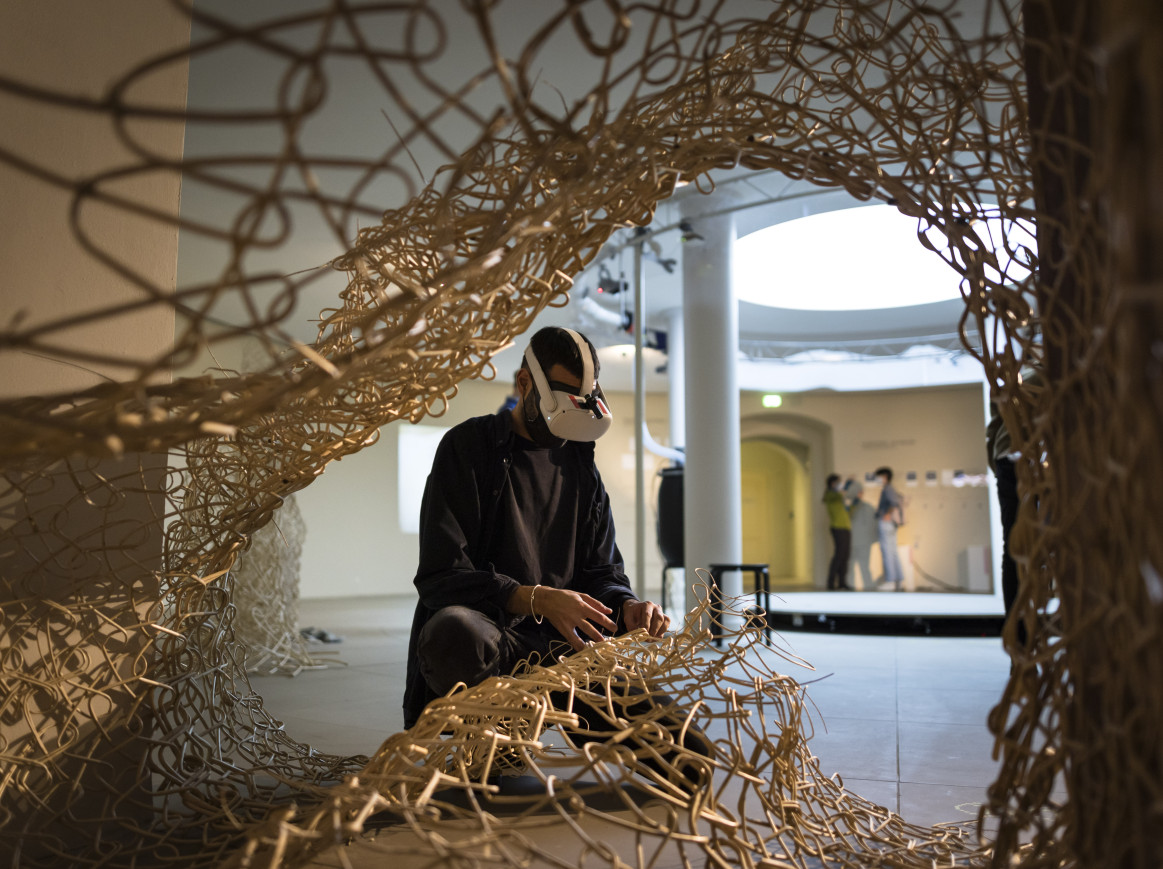
Art & Science Programme: What happens to living heart cells when someone sings to them? What changes when researchers turn their own work into performance? Art doesn't illustrate science here, it thinks alongside it. Talks, performances and workshops explore what forms knowledge can take, from Amanda Piña's performance S A L A R on lithium extraction in the Atacama (6 Nov, 20:00) to These Relations Are Forever, a film by four researchers who turned their work on chemical pollution into performance (7 Nov, 18:00). Artists and researchers working at this intersection can follow a dedicated Practitioner's Route with keynotes, networking and hands-on sessions.
Story ideas by beat, each with a news peg, people to talk to and a date. Interviews in German or English on request: press@berlinscienceweek.com
- For politics & international desks
- The day after the US midterms: what changes for Europe? One day after the vote, Harvard political scientist Daniel Ziblatt, Daniel Benjamin (American Academy in Berlin) and WZB president Nicola Fuchs-Schündeln assess the result and its consequences for transatlantic relations. 4 Nov, 18:00, WZB
- Can Europe build its future on rented intelligence? Europe still imports most of the digital technology its research and democracy run on. Artist Olafur Eliasson, quantum physicist Tommaso Calarco and Francesca Bria ask whether Europe's new AI factories could become a Bauhaus for the AI age. 7 Nov, 16:00, HKW
- For science desks
- Who do we trust when AI has the answers? Yoshua Bengio laid the foundations of today’s AI and is now one of its most urgent critics. He explains why industry self-regulation won’t make AI safe. Afterwards, Sibylle Anderl, head of science at DIE ZEIT, and Irina Nalis (TU Wien) ask what we lose when we hand thinking and decisions over to machines. 6 Nov, 13:00, HKW
- The universe doesn't add up. Nobel laureate Brian Schmidt, who co-discovered the accelerating expansion of the universe, and physicist Harry Cliff on why our picture of the cosmos is changing. 6 Nov, 15:30, HKW
- Materials that heal. Dame Molly Stevens on how nanoscale engineering helps repair the body and detect disease earlier. 4 Nov, 17:00
- For culture & arts desks
- What happens when you sing to a heart? In Cells' Ears, a live performance becomes a scientific experiment with living heart cells – and the audience takes part. 7 Nov, 21:00, HKW
- The lithium in your phone. Choreographer Amanda Piña's performance S A L A R follows lithium extraction in the Atacama desert. 6 Nov, 20:00, HKW
- For city desks & local radio
- How crisis-proof is Berlin? Floods, blackouts, sabotage: researchers explain what makes a city resilient and where Berlin stands. 5 Nov, 17:00
- Science around the corner. 33 public libraries from Spandau to Marzahn host researchers on everyday questions – loneliness in old age, foxes and hedgehogs in the city, spotting AI-generated studies. Free, no registration, mostly in German. Library programme
- 20 minutes with a scientist. At Book a Scientist, anyone can ask a researcher anything – ideal for vox pops and short German-language interviews. 8 Nov, 11:00
- For features, TV & lifestyle
- Science in heels. Four scientists who are also drag performers turn research into a late-night show. 7 Nov, 21:30, HKW
- Research that makes you laugh, then think. Ig Nobel founder Marc Abrahams brings prize winners and their strangest studies on stage. 8 Nov, 16:30, HKW
- For family & service media
- For the first time, a festival for kids. Only 11 % of people who have flown to space are women – Raúl Krauthausen and Adina Hermann read the story of Ela, a girl in a wheelchair who wants to go anyway. Plus live shows with the DLR and TV presenter Clarissa Corrêa da Silva. 8 Nov, 10:30, HKW
- Festival Centre pass: free 3-Day Festival Centre Pass via https://pretix.eu/berlinscienceweek/2026-festival/c/IcqAlYpG0/
- Citywide events: admission and registration as listed for each event; library events are free without registration
- Language: events are listed in the language in which they take place (German or English)
- Accessibility:
- Festival Centre: all exhibition and event spaces at HKW are wheelchair accessible (volunteers help with lift access where needed); step-free entrances, gender-neutral and wheelchair-accessible toilets, a floor guidance system and Braille in the lifts. U5 (Bundestag) and bus 100 (Haus der Kulturen der Welt) are the barrier-free routes; there is no parking at HKW. Details: berlinscienceweek.com/visitor-information and hkw.de/en/the-house/accessibility.
- Citywide venues: see each event page.
- Getting to HKW: bus 100 to „Haus der Kulturen der Welt“ (directly in front of the building); U5 to Bundestag; S-Bahn to Berlin Hauptbahnhof (S3, S5, S7, S9, about 1 km on foot) or Brandenburger Tor (S1, S2, S25, S26). Long-distance trains stop at Berlin Hauptbahnhof. No parking at HKW.
- Programme: berlinscienceweek.com/programme, filterable by track, format and language
- Social media: @berlinscienceweek on Instagram and LinkedIn · #BerlinScienceWeek26 #ScienceIsPersonal #InTouch
- Our name: please write Berlin Science Week in full – not BSW or Science Week.
Interviews: We are happy to arrange interviews with speakers, researchers, artists and the festival team. Please write to press@berlinscienceweek.com.
Interview availability: Dr. Christian Rauch
- Dr. Christian Rauch, Festival Director of Berlin Science Week, is available for interviews on the festival, its vision and the role of science in society.
Press tour & reception: Join us for a guided tour of our new Festival Centre at Haus der Kulturen der Welt, followed by a networking reception with partners, journalists and key players from Berlin's science scene. Fri 6 Nov, 14:30–16:00, Haus der Kulturen der Welt. Registration via press@berlinscienceweek.com.
Berlin Science Week 2026 brings together more than 230 partners from science, culture, business and civil society.
Hosted by Falling Walls Foundation · Funded by the Berlin Senate Department for Higher Education and Research, Health and Long-Term Care, which has supported Berlin Science Week since 2016.
Festival Partners 2026: Haus der Kulturen der Welt (HKW) · Brain City Berlin · Congressa · Museum für Naturkunde Berlin · Archimedes Exhibitions · Berlin University Alliance
Media Partners 2026: Der Tagesspiegel · DIE ZEIT Verlagsgruppe · Yorck Kinogruppe · Radio Eins · The Berliner · tip Berlin
Programme Partners 2026: the organisations, artists and independent scientists whose events make up the programme. The full list of programme partners is available at berlinscienceweek.com/our-partners.
ABOUT (BOILERPLATES)
Berlin Science Week is the city's annual science and culture festival, transforming Berlin into a citywide celebration of scientific ideas. Every 1–10 November, it makes groundbreaking research and innovation from Berlin's scientific institutions and international partners accessible to the public. Hosted by Falling Walls Foundation gGmbH, with support from the Berlin Senate Department for Higher Education and Research, Health and Long-Term Care, the festival connects the scientific community with a curious public to explore how science shapes our world.
The Falling Walls Foundation gGmbH is a Berlin-based non-profit organisation dedicated to strengthening science communication and public engagement with research. Its initiatives bring together international experts to develop breakthrough solutions for global challenges. In addition to the Falling Walls Science Summit, the Foundation runs the Berlin Science Week and programmes such as Falling Walls Lab, Falling Walls Engage, Falling Walls Venture and Female Science Talents. Since 2020, the Foundation has also hosted the Creative Bureaucracy Festival, an international platform for innovation in the public sector. The Foundation is supported by the German Federal Ministry of Research, Technology and Space, the Berlin Senate, the Hannover Re Foundation, the Museum für Naturkunde Berlin, PD – Public Sector Advisory, Volkswagen Foundation, and more than 100 additional international philanthropies, academic institutions, companies and NGOs.
Founded in 2009, the Falling Walls Science Summit has become the leading international forum for scientific breakthroughs and interdisciplinary dialogue. Held annually in Berlin from 6–9 November, the Summit commemorates the fall of the Berlin Wall by bringing together global leaders to explore how science can contribute to shaping a sustainable future. With its core formats – Falling Walls Pitches, Falling Walls Circle and Falling Walls Science Breakthroughs – the Summit fosters collaboration across academia, industry, politics, and civil society to drive transformative change. The event is organised by the non-profit Falling Walls Foundation.
DOWNLOADS
Download the CV of the Festival Director of Berlin Science Week, Dr. Christian Rauch.
The following quotes may be used for press coverage of Berlin Science Week 2026.
„Eine offene und resiliente Gesellschaft braucht eine lebendige Wissenschaft, die mit den Menschen im Austausch steht."
"Berlin Science Week puts science at the center of the cultural calendar. For ten days each year, we celebrate science as what it is: a key pillar of human self-expression"
„Wissenschaft ist etwas zutiefst Menschliches. Sie entsteht aus Neugier, Kreativität und dem Wunsch, die Welt zu verstehen und verändert zugleich, wie wir denken, fühlen und handeln. Mit ‚In Touch‘ zeigen wir die Menschen hinter der Wissenschaft, was sie antreibt und wie ihre Arbeit unser Leben berührt.“
"Das HKW und die Berlin Science Week verbindet die Überzeugung, dass die spannendsten Gespräche dort entstehen, wo unterschiedliche Disziplinen, Perspektiven und Menschen zusammenkommen. Mit dem HKW als neuem Festivalzentrum schaffen wir einen Ort, an dem Wissenschaft noch stärker Teil des kulturellen Lebens Berlins wird: offen, international und im Dialog mit der Stadt."
Download the Berlin Science Week logo in black and white for editorial use. Please do not alter, crop or recolour the logo.