![Graphic with the title “[Copy-Paste] Nature” in large purple decorative serif lettering, and the subtitle “Promises and Limits of Biomimicry” below. The background is a grainy gradient of soft greens and grey-lilac with overlapping curved shapes.](/sites/default/files/styles/hero/public/medien/577/bilder/biomimicry_poster_2.jpg?h=9c5bcd32&itok=e_-QbnZ7)
Promises and Limits of Biomimicry
What if the clothes you wear were dyed by bacteria? Or if the apartment you live in was designed around protein as building blocks? Join a conversation exploring how scientists and craftspeople are learning from nature to rethink how we make things in a world of climate crisis and limited resources.
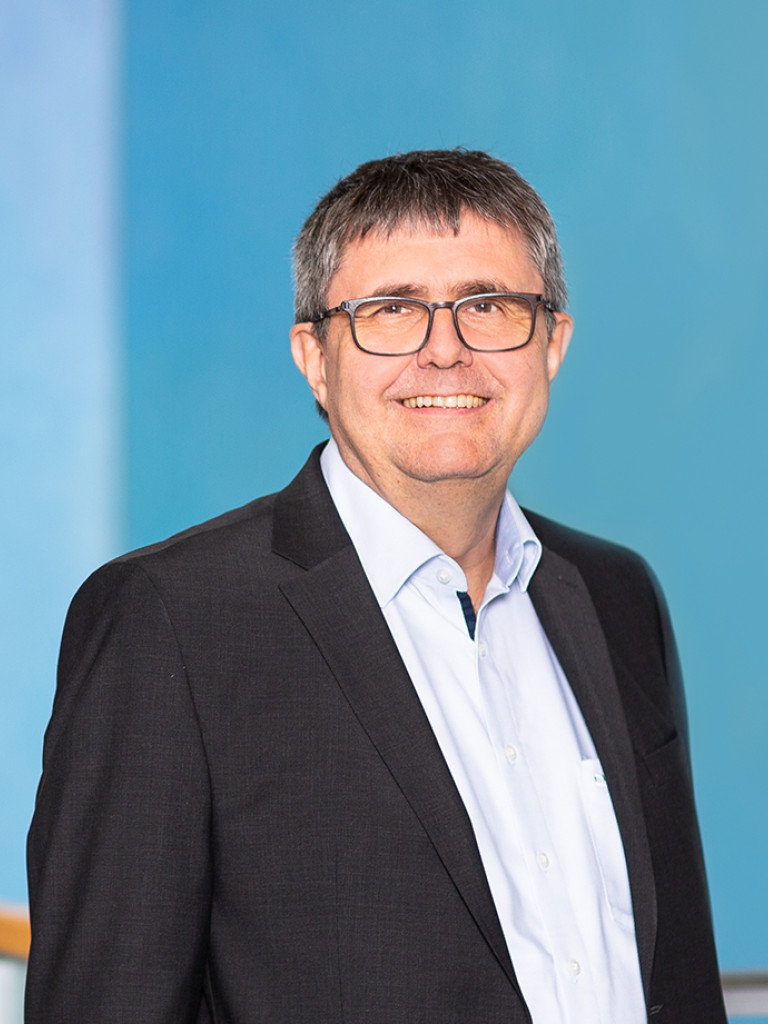
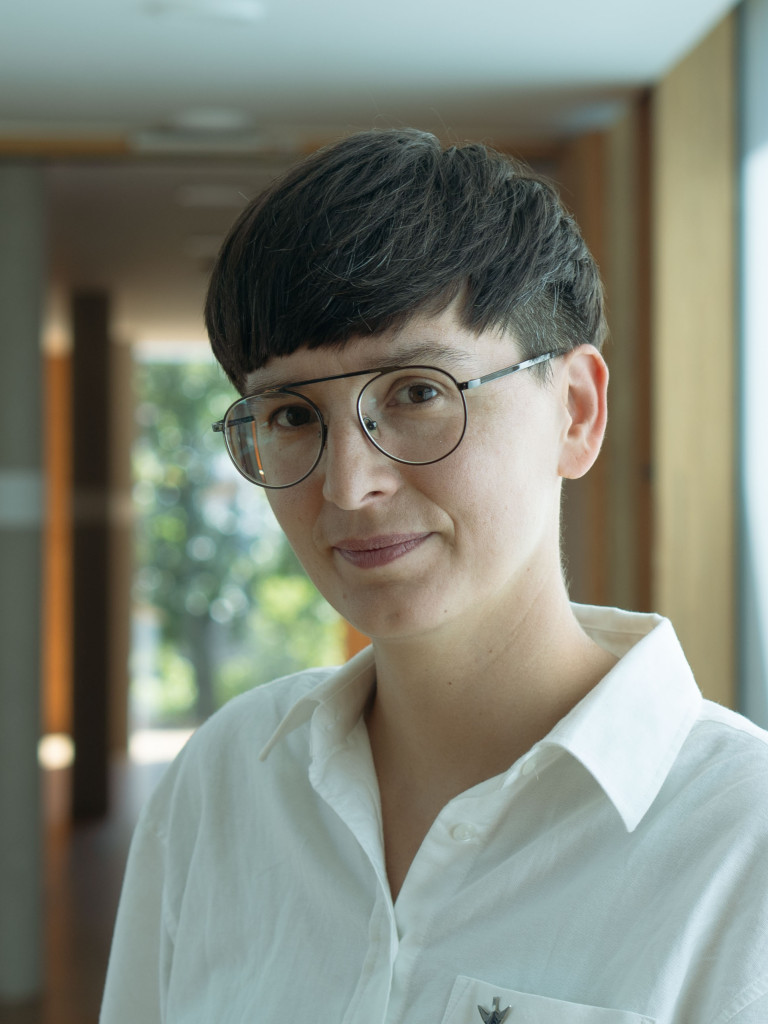
Spanning artisanal knowledge and craft traditions to biomimicry and bio-based engineering, this event foregrounds how making and knowing intersect in shaping materials of the past and future. Bringing together science, history, and practice, materials scientist Peter Fratzl, historian Pamela H. Smith, and designer Natsai Audrey Chieza, explore the promises and limits of learning from nature. By looking to both past knowledge and emerging bio-based technologies, they trace how biomimicry has shifted from copying natural forms to understanding living processes. Examples include Renaissance manuals for lifecasting animals, modern materials science, and recent use of natural bacterial pigments as alternatives to resource-intensive industrial dyes.
This event is organized by the Max Planck Institute for the History of Science in collaboration with the Berlin-Brandenburgische Akademie der Wissenschaften (BBAW).
***
This event is part of the “Historical Moments” series.
How does scientific change come about, and who gets to steer it?
“Historical Moments” explores science not as a string of isolated breakthroughs, but as a collaborative practice shaped by society. Bringing together scientists, historians, and voices from culture and the arts, the two-year series of talks, exhibitions, museum tours, and film screenings across Berlin opens up conversations around how science is made, remembered, and understood, and who gets to shape its future.
- Event takes place in the Einstein Hall.
- Free entry.
- Registration required by November 4, 2026 (see button).
- Wheelchair accessible.
Speakers

- Event takes place in the Einstein Hall.
- Free entry.
- Registration required by November 4, 2026 (see button).
- Wheelchair accessible.
Event Location
Berlin-Brandenburg Academy of Sciences and Humanities
Jägerstraße 22/23
10117 Berlin
Germany