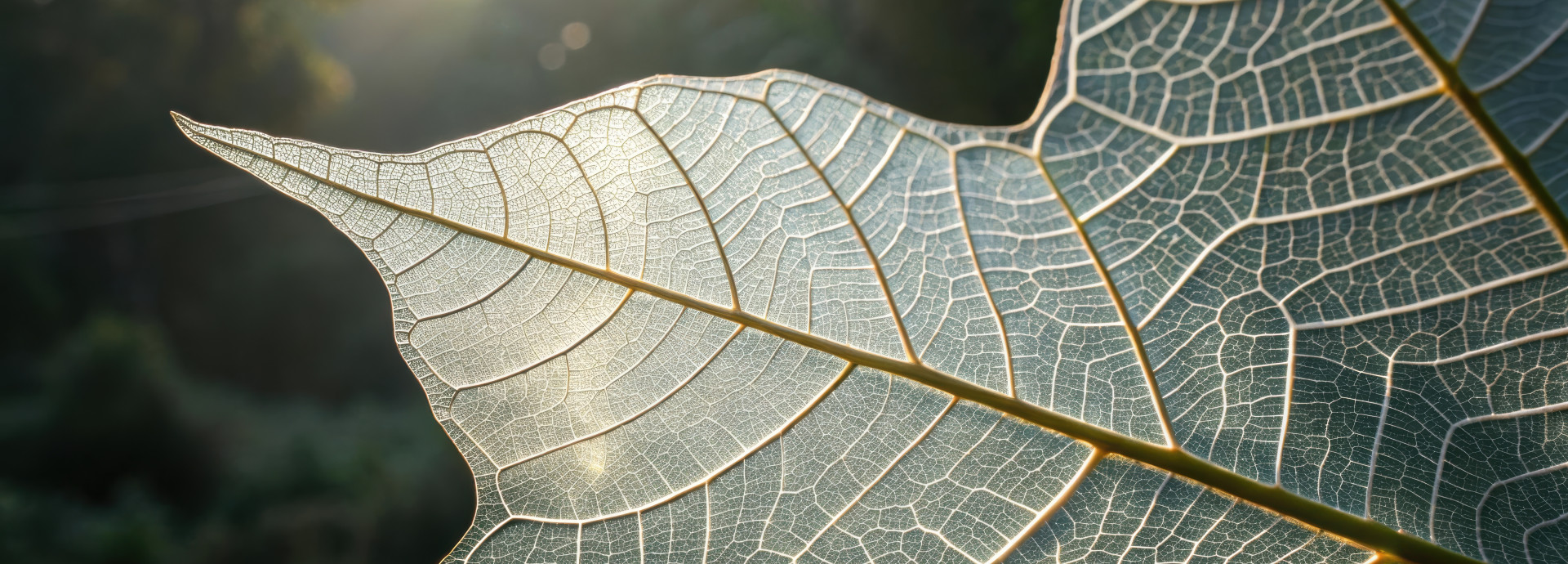
Inspiration Stage: Hidden Connections of Nature
From hidden plant conversations beneath the soil to the survival strategies of microbes, from measuring the “nothingness” of a vacuum to using sunlight for sustainable crop protection. This block highlights the ingenuity of the natural world: Each session reveals how organisms and systems adapt, cooperate, and transform under pressure. Together they remind us that resilience, whether in ecosystems or in human societies, often emerges not from competition, but from connection and innovation.
LINE-UP
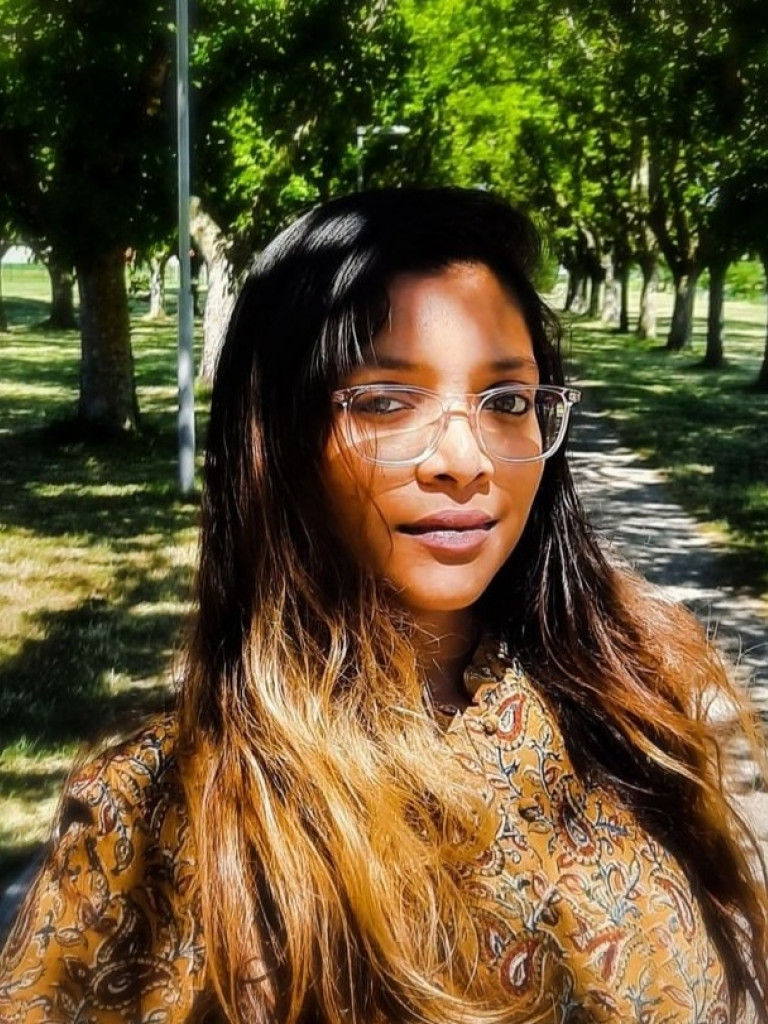
14:30 - 14:45 | Harihar Jaishree Subrahmaniam, University of Hamburg
Secret Social Lives of Plants
Discover the secret social lives of plants — friendships, rivalries, and underground conversations.
Plants may appear quiet and solitary, but beneath the soil they lead surprisingly social lives. Roots do far more than absorb water and nutrients — they send chemical signals, form alliances, and sometimes compete with neighbors. In this talk, Jaishree Subrahmaniam invites the audience to imagine this hidden world and explore the big questions driving her research: How do plants “talk” to each other underground? Can they cooperate to survive stress, or do rivalries dominate? And what might these secret conversations mean for the ecosystems we depend on? By developing creative experiments with root observation systems and chemical analysis, Jaishree aims to uncover these mysteries and share how understanding plant social lives could change the way we think about nature - not as silent and static, but as a community alive with stories.
14:45 - 15:00 | Theda Bartolomaeus, Max-Delbrück Center for Molecular Medicine Berlin
Symbiosis and Survival: What Microbes Reveal About Our Shared Future
Microbes show us that life thrives through connection and interaction.
Microbes are among the most powerful yet overlooked forces shaping our planet. They build ecosystems from the ground up, recycle carbon, and respond quickly to environmental shifts. In this talk, I explore how microbial communities act as early indicators and active agents of climate change. Drawing from ancient DNA datasets and host–microbiome studies, I show how past climate events reshaped microbial networks and what this can teach us about future resilience. Inspired by Donna Haraway’s idea of symbiosis, I argue that microbes challenge the notion of borders between species and remind us of our deep entanglement with the rest of life. By combining bioinformatics, ecology, and storytelling, my talk highlights how microbes offer fresh perspectives on sustainability and encourage us to rethink our place in a collaborative and interconnected living system.
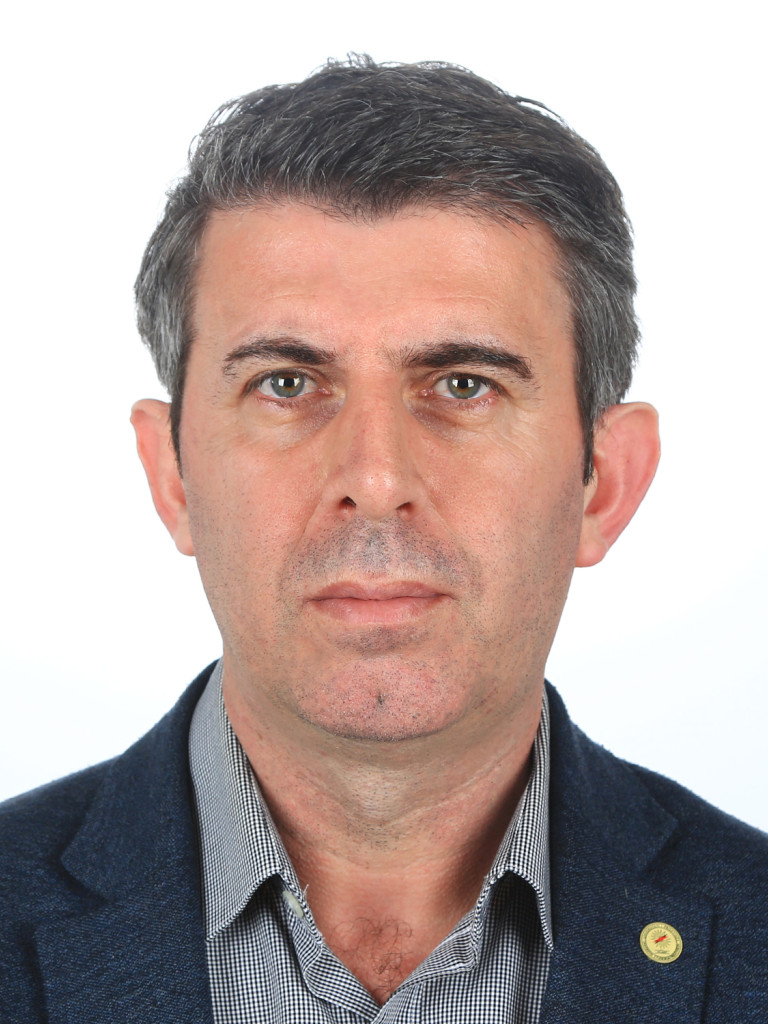
15:00 - 15:15 | Sefer Avdiaj, University of Prishtina
How to measure nothing
Discover how scientists measure ‘nothing’ and unveil the hidden world of vacuum!
Vacuum might seem like the absence of everything — pure nothingness. Yet, creating and measuring vacuum is one of the most fascinating and important challenges in science and technology. In this talk, we will explore how scientists produce different levels of vacuum, from the gentle low vacuum used in everyday applications to the extreme conditions of ultra-high vacuum found in advanced research. We’ll uncover why measuring “nothing” is essential for innovations like space exploration, electronics manufacturing, and medical devices. Through simple explanations and real-world examples, you’ll see how what appears to be empty space is actually full of hidden complexities — and why mastering the measurement of “nothing” matters more than you might think.
15:15 - 15:30 | Alberto Nuñez Bendinelli, University Regensburg
Crop protection using sunlight: overcoming microbial resistance
How we can overcome microbial resistance in plant and human health?
The use of synthetic pesticides has come at a high environmental cost due to bioaccumulation problems, non-target toxicity, and pest resistance. For these reasons, effective crop protection products are being depleted from the agricultural market at an alarming rate. Disinfection using light is possible with some compounds called sensitisers. Using light, we can create reactive oxidative species that kill microorganisms. This approach overcomes microbial resistance, a serious concern in both agriculture and human health. This presentation will focus on the basic scientific principles of using sunlight to prevent and treat infections in plants and agricultural fields. I will also discuss some of the most promising recent advances in this field.
15:30 - 15:50 | Meet the Hidden-Nature Scientists
Meet the Scientists Session
Stay around for an informal networking session: ask your own questions, start a conversation, and connect directly with the speakers.
- CAMPUS event at the Inspiration Stage.
- Free entry.
- Wheelchair accessible.
- More accessibility information available here.
The Inspiration Stage features 12-minute short talks, each block ending with a 20-minute Meet the Scientists session.
Drop in and out as you like: join one talk, or stay for the full journey.
Speakers

- CAMPUS event at the Inspiration Stage.
- Free entry.
- Wheelchair accessible.
- More accessibility information available here.
The Inspiration Stage features 12-minute short talks, each block ending with a 20-minute Meet the Scientists session.
Drop in and out as you like: join one talk, or stay for the full journey.