Inspiration Stage: Reprogramming & Repair
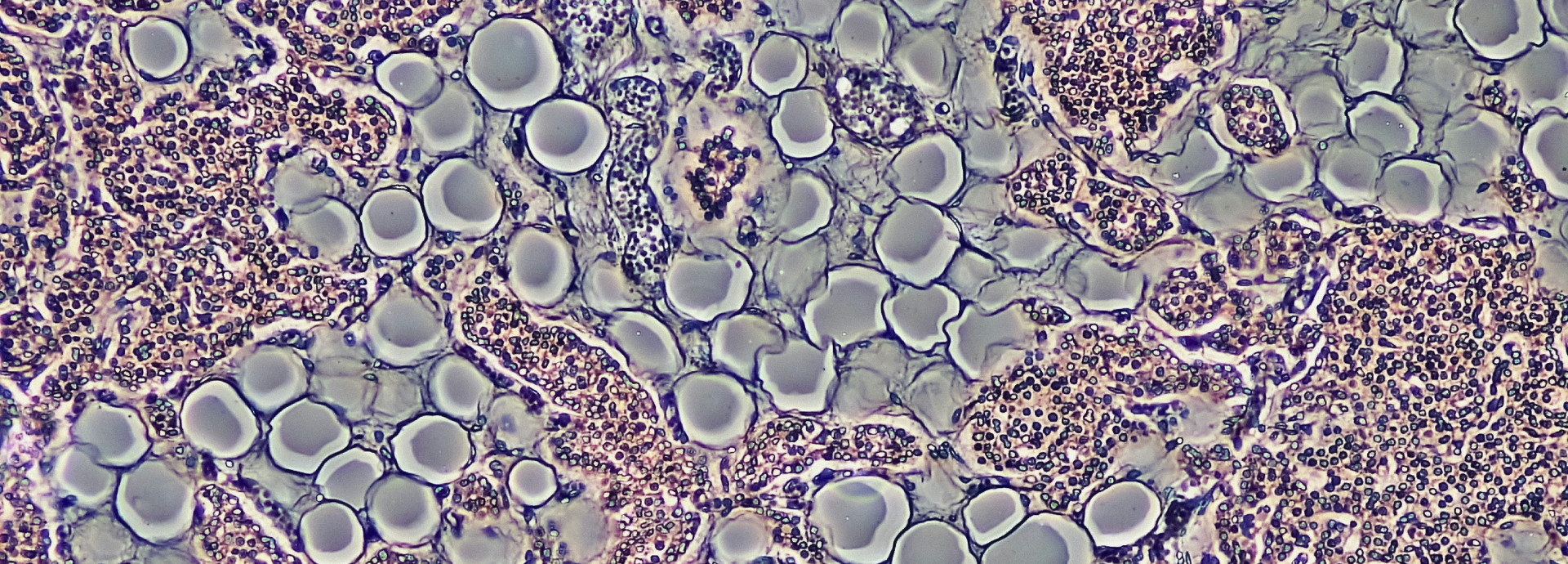
Our bodies have a natural ability to heal themselves. A fracture rebuilds itself, guided by immune cells changing identity. A liver worn down by years of damage uses its ‘cellular memory’ to regenerate. Today scientists are going further, reprogramming patients’ own immune cells to fight cancer in their bodies. At the same time, researchers can track and measure the body more closely than ever, giving them a deeper understanding of health and disease.
Spanning immunotherapy, bone healing, liver regeneration, and health data privacy, these talks explore what our cells can teach us about self-healing, and as we share more of ourselves through data, where the line between insight and privacy should sit.
TALKS INCLUDED:
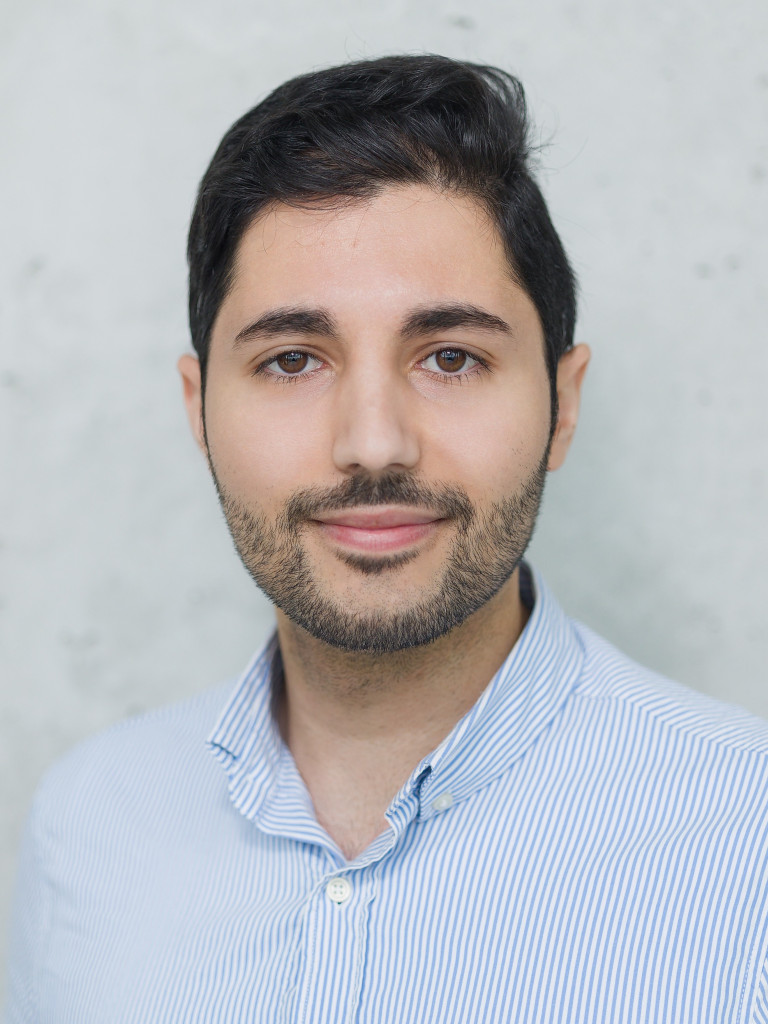
16:00 - 16:15 | Schayan Yousefian, Berlin Institute of Health at Charité (BIH)
Your own cells, reprogrammed to fight cancer
What if your own immune cells could be reprogrammed to recognize and attack cancer? This talk explores how cell and immunotherapies are transforming the treatment of cancer.
A diagnosis of leukemia, lymphoma, or myeloma can change a life in an instant. And when a blood cancer returns or stops responding to treatment, the options have traditionally become increasingly limited. Cell and immunotherapies changing that. One of the most striking examples is the possibility of taking a patient’s own immune cells, reprogramming them to recognize their cancer, and returning them to the body to fight it. Alongside other immune-based treatments, these approaches have created new possibilities for people with blood cancers that were once extremely difficult to treat. But this talk is about more than a new technology. What does it actually mean for a patient to receive a treatment made from their own cells? How can these therapies change not only the chances of controlling a disease, but also the experience of living with cancer? And who can currently benefit from them? This talk will explore how cell and immunotherapies have reshaped the treatment of hematological malignancies, the opportunities and challenges they bring, and what this rapidly evolving field could mean for patients and their families in the future.
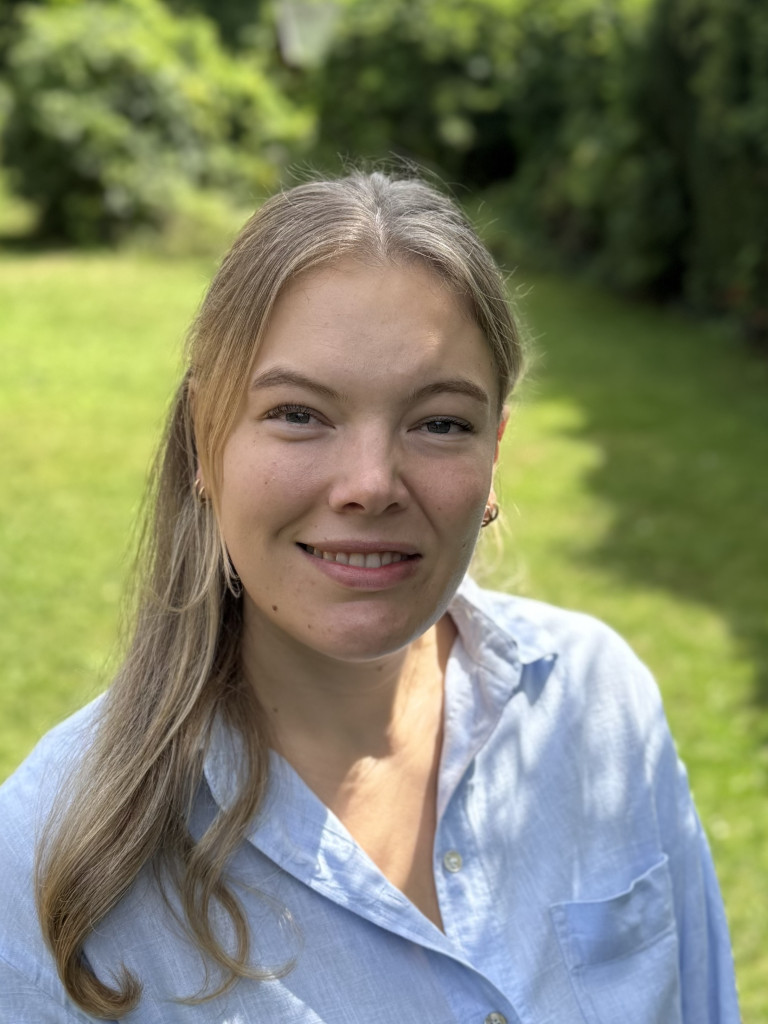
16:15 - 16:30 | Ann-Kathrin Meß, Berlin Institute of Health at Charité (BIH)
When bones break: the hidden power of immune cell identity
Whether you're eight or eighty, bone fractures affect us all — and how well we heal also depends on how our immune cells can change their identity through interactions, much like we do.
Believe it or not, our immune system is not just important to fight a cold but plays an essential role in bone fracture healing as well. Many different types of immune cells cooperate in a well-orchestrated process to make bone healing successful. Unfortunately healing doesn’t always go well. One important factor is immune cell identity, which can change and adapt throughout the healing process. But which direction does the cell decide to go? And why? What makes a cell decide what kind of cell she wants to be - a good or a bad one for bone healing?
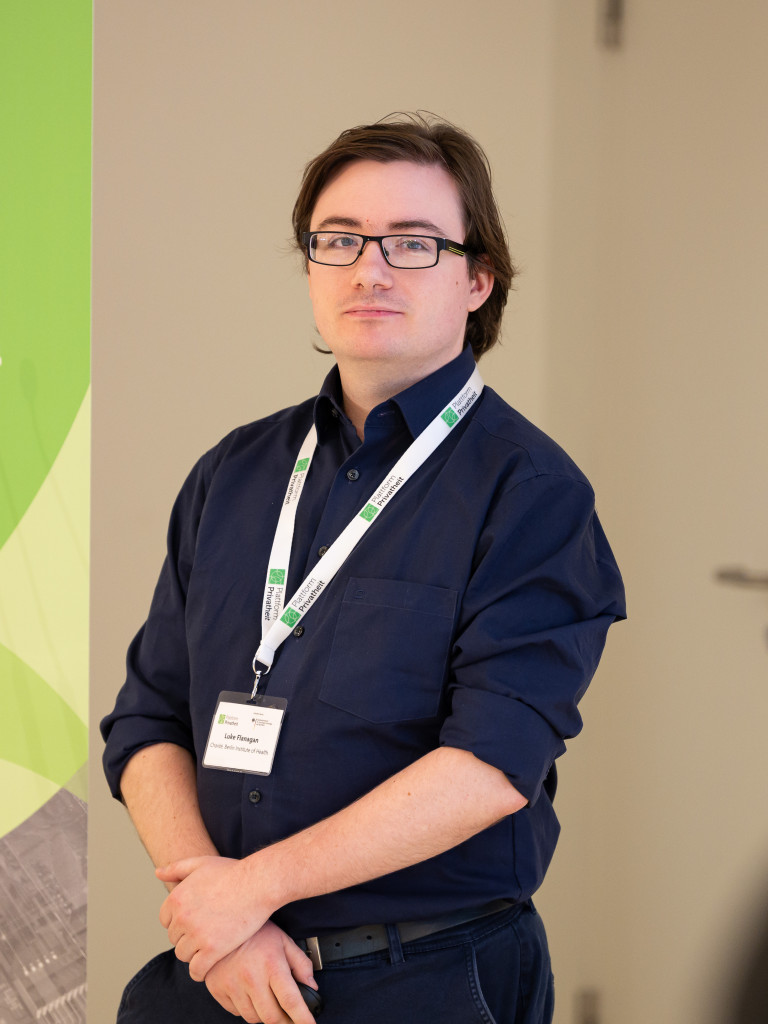
16:30 - 16:45 | Luke Flanagan, Berlin Institute of Health at Charité (BIH)
Public health: Balancing privacy and data sharing
Who would you share your health data with? The benefits of sharing, and the privacy measures to protect your data.
Healthcare needs your data, now more than ever. From diagnosing current health issues, to identifying potential future challenges and addressing them early – sharing your health data with healthcare professionals is necessary to get the right help. Medical researchers also need your data, to better understand the core causes of health issues and improve treatments. However, medical data is private and sensitive information. How do you and your data stay safe when you share it?
In this short talk, Luke, a PhD Student in the field of Health Data Privacy, will explore the role of privacy in healthcare. We will learn about the relevancy of privacy in healthcare both for the lived experiences of people experiencing stigma, and for the average person, even those who ‘have nothing to hide’.
So, who would you share your health data with?
16:45 - 17:00 | Irene Talon, Berlin Institute of Health at Charité (BIH)
Cellular memory in the liver
Do your cells have memory? In this talk, I will show how adult liver cells respond to chronic damage by using fetal programs, reawakening developmental memory to drive regeneration.
Chronic liver disease affects millions of people worldwide and can be caused by viral infections, alcohol, obesity and metabolic disorders. As damage builds up over many years, the liver passes through different stages of disease and gradually loses its ability to repair itself. In this talk, I will explore how some adult liver cells respond to chronic injury by becoming unexpectedly flexible: they can change their identity to help regenerate tissue, a process known as transdifferentiation. Our work shows that they do this by using programs from fetal development, drawing on a kind of cellular memory stored through epigenetics — the molecular system that controls which genes are switched on or off.
17:00 - 17:20 | Meet the BIH Scientists
Meet the BIH Scientists-session
Stay around for an informal networking session: ask your own questions, start a conversation, and connect directly with the speakers.
INSPIRATION STAGE Talks:
- in the Angie Stardust Foyer.
- The Inspiration Stage features 12-minute short talks, each block ending with a 20-minute Meet the Scientists session.
How to attend
- Free entry.
- To attend this event, please book your free 3-Day Festival Centre Pass (see button).
- Drop in and out as you like: join one talk, or stay for the full journey.
Accessibility
- Wheelchair accessible.
- More accessibility information available here.
Speaker
INSPIRATION STAGE Talks:
- in the Angie Stardust Foyer.
- The Inspiration Stage features 12-minute short talks, each block ending with a 20-minute Meet the Scientists session.
How to attend
- Free entry.
- To attend this event, please book your free 3-Day Festival Centre Pass (see button).
- Drop in and out as you like: join one talk, or stay for the full journey.
Accessibility
- Wheelchair accessible.
- More accessibility information available here.
Event Location
Haus der Kulturen der Welt (HKW)
John-Foster-Dulles-Allee 10
10557 Berlin
Deutschland