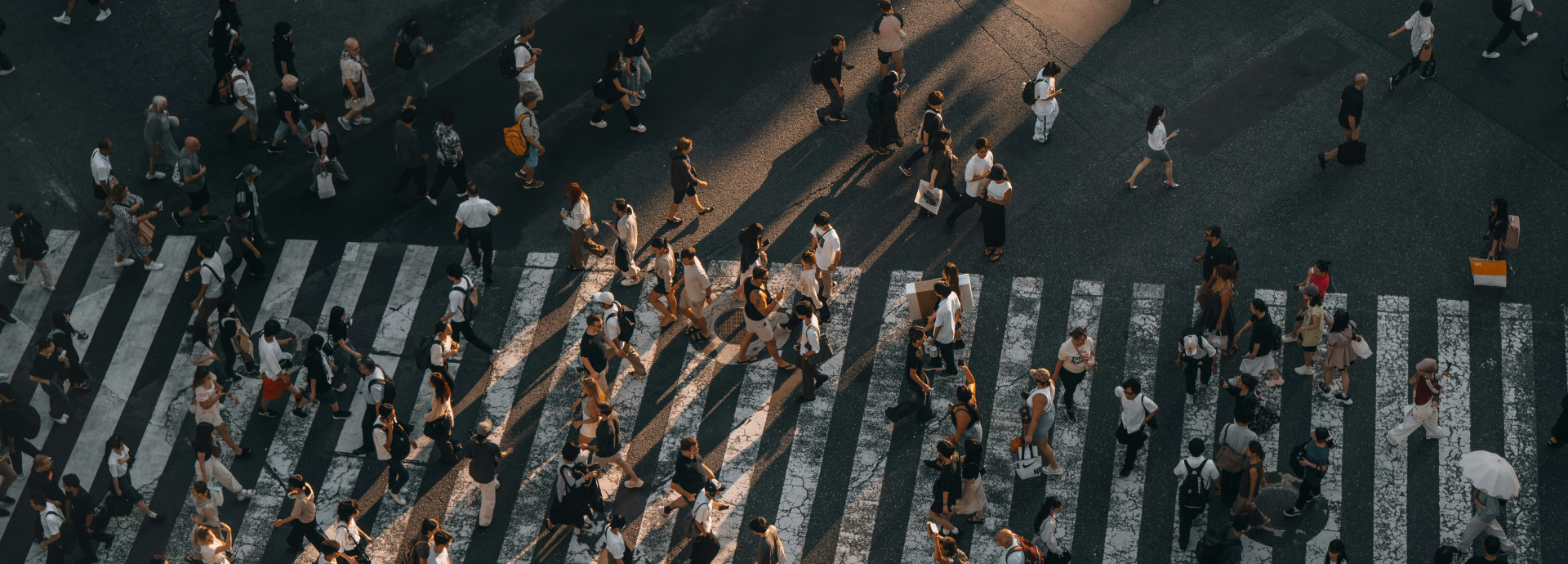
Inspiration Stage: Structures of Power
Power has a shape. Sometimes it's unmistakable: a wall, a law, a border. Sometimes it's woven into paperwork, visa status, or who makes the headlines. However it appears, power influences whose voices carry weight, whose lives are constrained, and whose opportunities expand.
This block examines the architecture of power: the institutions, categories, and systems that organise our societies. Across media, migration, diplomacy, and borders, these talks explore how power is exercised and experienced in everyday life.
TALKS INCLUDE:
16:00 - 16:15 | Mariell Raisma, Freie Universität Berlin - BUA Fellows Club
Who gets heard? The science of media attention
Every day, we encounter experts, organisations, and public figures in the media. But have you ever wondered why these voices and not others shape public debate?
This talk explores how media attention works and shows that visibility is shaped not only by communication skills but also by the position of different fields within democracy. People working in entrepreneurship, research, public institutions, and civil society often engage with the media in different ways, and there is no single formula for becoming visible. Visitors will gain a clearer understanding of how media attention is distributed in practice, why credibility and trust matter so much in today’s media environment, and how journalistic choices influence which perspectives become part of public debate. Through examples from research, the talk highlights how these dynamics shape what we know, whom we hear, and which voices remain less visible. The talk invites audiences to look at everyday news with slightly different eyes and to reflect on why a diversity of voices matters for a healthy democracy in a mediatized society.
16:15 - 16:30 | Merilin Martinson, Humboldt-Universität zu Berlin - BUA Fellows Club
The guest who stayed: From the Gastarbeiter to your food courier
Your food courier's job is called flexible. West Germany's guest workers were temporary. Host towns got richer, immigrants did not. 70 years of data on what happens when temporary becomes permanent.
Someone brought your dinner to your door last night, in a job we call flexible. In the 1950s and 60s, West Germany made a similar promise to millions of people it called guest workers: come, work, go home again. Many never left. I analyse newly digitised county-level records from West German labour offices to find out what that did to the towns doing the hosting. Read the raw numbers and guest workers look like they made those places poorer. Careful causal analysis flips the sign: the counties ended up more prosperous per person. But because everyone assumed the workers would leave, nobody invested in them staying. Not the towns in integration, not the workers in local roots. The places grew richer while the people stayed on the margins. Then the same question, now. Does gig work offer a smooth entry point into the local labour market for immigrants or trap them in low-paid, volatile employment? When the delivery app Rappi arrived in Colombian cities, I find it pulled Venezuelan refugees into work at around four times the rate of Colombians and cut their unemployment sharply. However, it also pushed them into informal, self-employed work that many were still in years later, and it flattened the value of their education: university-educated refugees ended up on the same bicycles as everyone else, and their earnings fell further behind over time rather than catching up. Governments from Canada to the EU are drafting new temporary work-permit schemes right now and gig work is hailed as a stepping stone for labour market entry. Two labour markets, seventy years apart, demonstrate that risk having the same blind spot again. For anyone who would like to see what the data actually says about immigration. No mathematics needed.
16:30 - 16:45 | Liliana Oropeza Acosta, Humboldt-Universität zu Berlin and USAL Argentina - BUA Fellows Club
Who speaks for the Global South’s peasant women at the UN?
Who gets to speak for the women who grow the world’s food? This talk follows their demands from a village to a global agreement, and shows how much is lost each time someone else takes up their voice.
You have probably never wondered who represents peasant women when the world writes the rules that affect their land, their food, and their families. Almost no one does. Yet women produce a large share of the world’s food, and when their rights reach the United Nations, they are often spoken about, spoken for, and rarely present. This talk follows three countries very different from one another, Bolivia, Rwanda, and Vietnam, as they take positions on peasant women in the rooms where international agreements are made. Drawing on years working inside these negotiations as a diplomat, and on the actual record of what was said and written, it shows a pattern that is easy to miss: the further a demand travels, from a rural community to a national government to a global declaration, the more people speak on its behalf, and the less of the original claim survives. Words shift along the way. “The right to define our own food” becomes “food security.” “Our territory” becomes “access to land.” By the time the language is agreed by everyone, it belongs to no one. You will leave with a different way of seeing the polished statements and grand declarations that reach the news, and a sharper question about who is in the room when decisions are made, and who is only talked about. It is a story about food, power, and voice, and about what it takes to be seen.
16:45 - 17:00 | Leander Nowack, Technische Universität Berlin - BUA Fellows Club
Walls, fences, containers: Are european borders architecture?
More and more structures are appearing along European borders, organising, separating, and regulating movement. This talk asks whether border control is becoming a question of architectural practice.
Border spaces, both in Germany and across Europe, have become highly visible in the media and widely discussed in recent years. The spaces we see, fences with barbed wire, camps and containers, towers, checkpoints, and gates, seem to be provisional security infrastructures. But what if they were understood as persistent architectures? Drawing on architectural history and theory, the talk places border structures within a longer tradition of spatial practices of control, from early modern fortification to present crisis architecture. It examines how seemingly ordinary elements become architectural systems that produce specific spatial conditions and social effects. Recognizing these spaces as architecture also means acknowledging them as part of architectural discourse and critically engaging with the discipline’s role in producing them. Architecture is not only the subject of analysis but also a way of seeing. Through drawings, mappings, diagrams, and other forms of spatial representation, architectural methods can make visible how border spaces are planned, experienced, and maintained. Examples from research and teaching projects demonstrate how these tools can be used to investigate border environments and the forms of power embedded within them. The talk is aimed at anyone interested in how the built environment shapes society, and vice versa, and in questioning what architecture can include. No architectural background is required.
17:00 - 17:20 | Meet the BUA Fellows Club Scientists
Meet the BUA Fellows Club Scientists-session
Stay around for an informal networking session: ask your own questions, start a conversation, and connect directly with the speakers.
INSPIRATION STAGE
- Inspiration Stage Talks in the Angie Stardust Foyer.
- Free entry.
- 3-Day Festival Centre Pass required to attend (see button).
- Wheelchair accessible.
- More accessibility information available here.
The Inspiration Stage features 12-minute short talks, each block ending with a 20-minute Meet the Scientists session. Drop in and out as you like: join one talk, or stay for the full journey.
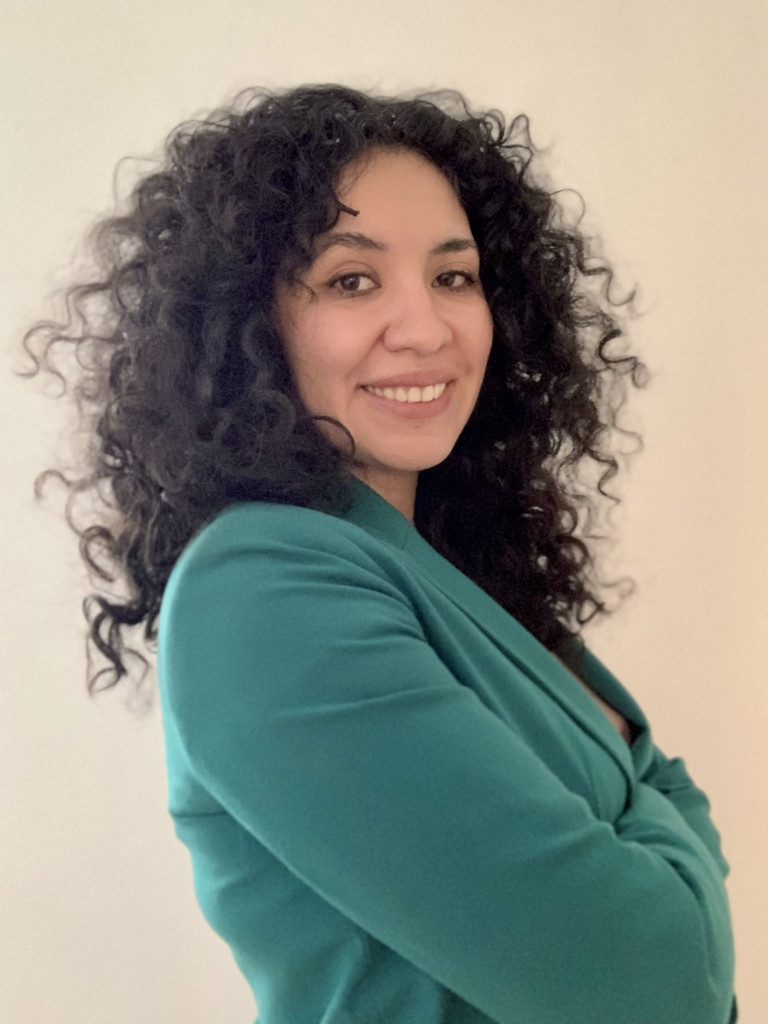
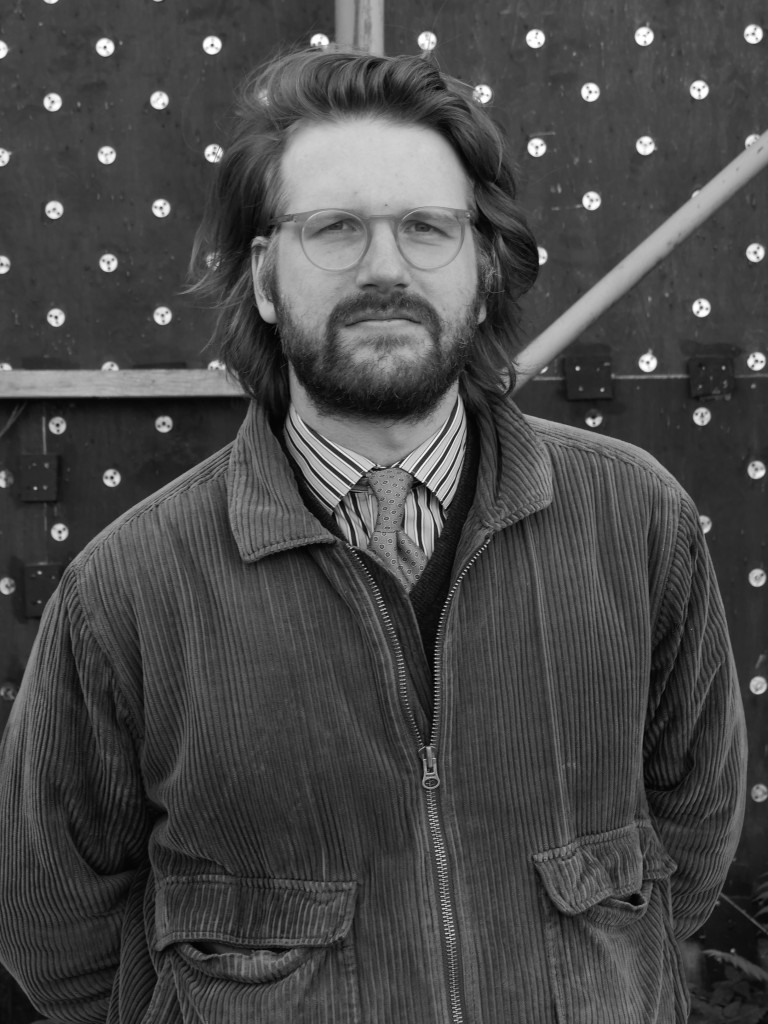
Speakers


INSPIRATION STAGE
- Inspiration Stage Talks in the Angie Stardust Foyer.
- Free entry.
- 3-Day Festival Centre Pass required to attend (see button).
- Wheelchair accessible.
- More accessibility information available here.
The Inspiration Stage features 12-minute short talks, each block ending with a 20-minute Meet the Scientists session. Drop in and out as you like: join one talk, or stay for the full journey.
Event Location
Haus der Kulturen der Welt (HKW)
John-Foster-Dulles-Allee 10
10557 Berlin
Germany