Inspiration Stage: Beneath the Surface
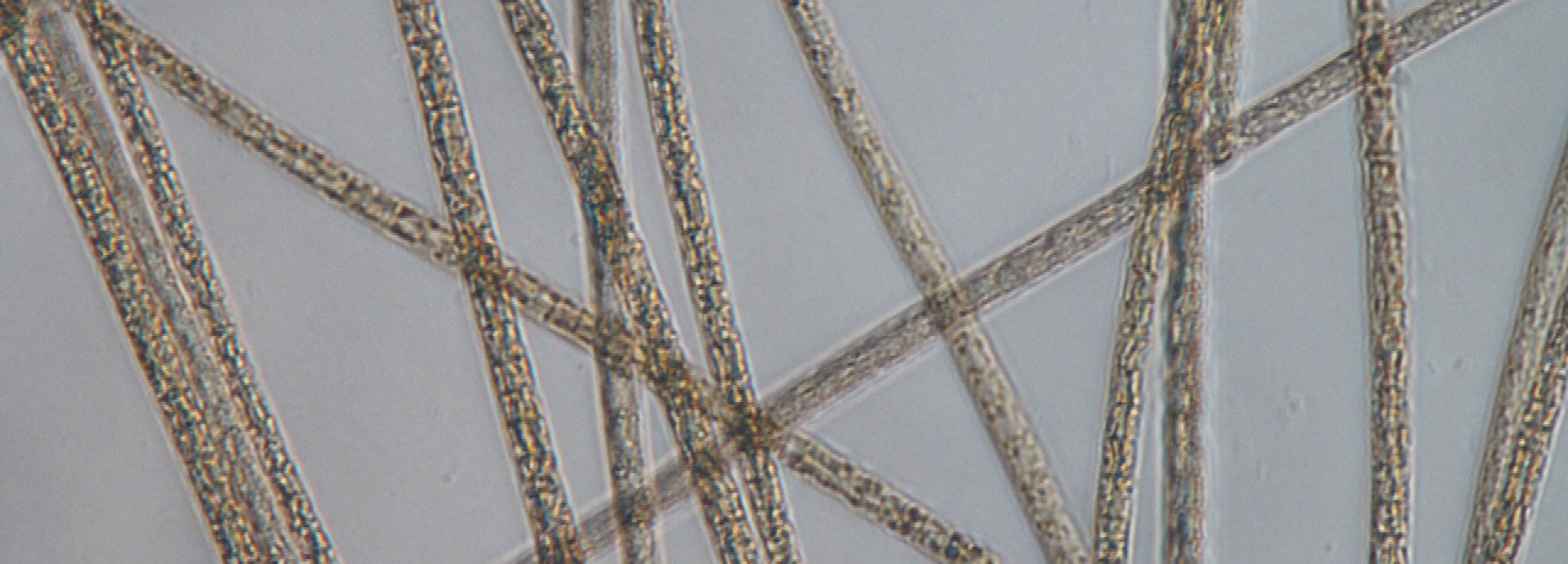
Water is a vital archive of life: it carries invisible traces of the organisms, systems, and societies it connects. This block explores how studying water, from viral genomes in wastewater to the microscopic life of freshwater ecosystems, can help us better understand health, resilience, and environmental change. By looking into water, we discover clues not only about our planet’s past and present, but also about the futures we want to shape.
LINE-UP
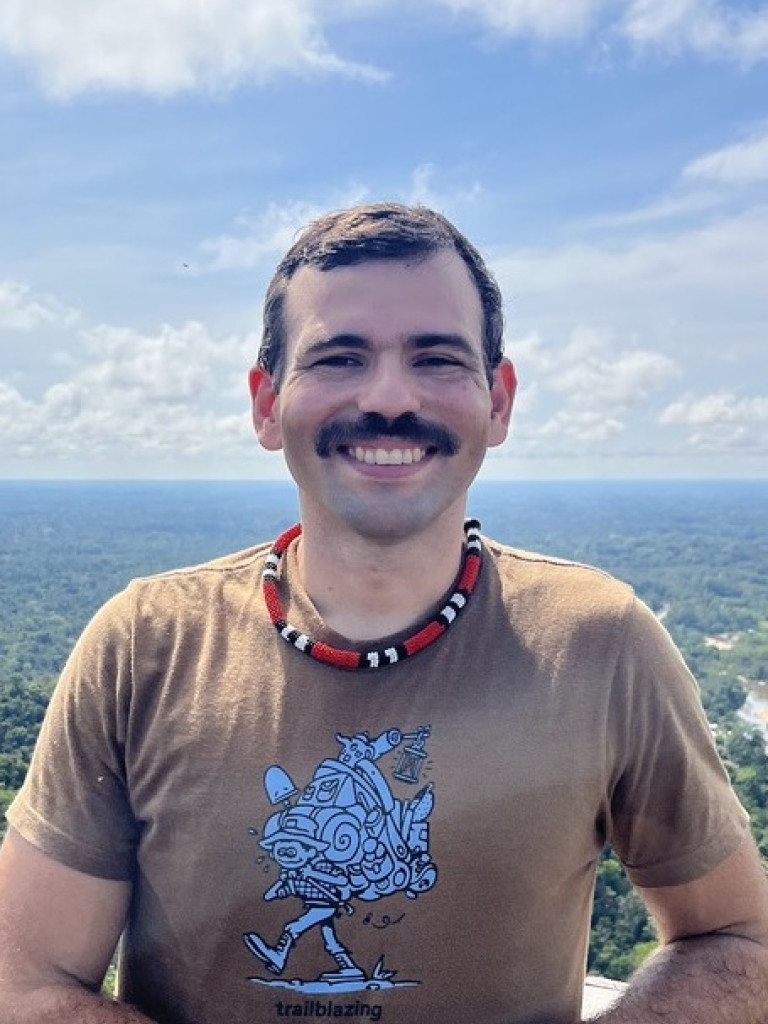
11:00 - 11:15 | Pedro Alencar, Technische Universität Berlin
Droughts through local eyes
How local experiences can reshape how we define and respond to drought.
Droughts are often defined, identified and monitored by means of technical indexes and thresholds. However, these measures don’t always reflect what we as humans actually feel and face, from dying crops, to dried-up wells. In this talk, I introduce a new proposed framework that combines community experiences with models (of climate and ecosystems) to create local definitions of drought, powered by people's knowledge, life experience, and expectations. By listening to people’s stories and linking them with scientific data, we can better capture real impacts, inspire action, and strengthen resilience in the face of a changing climate.
Focusing on Grand Challenges – a talk in cooperation between Berlin Science Week × Berlin University Alliance.
11:15 - 11:30 | Ramona Bruck, Leibniz Institut für Gemüse- und Zierpflanzenbau
Landwirtschaft der Zukunft: Mit Hightech und Kreativität gegen Hunger und Klimakrise
Wie retten wir unsere Ernährung, wenn Wasser knapp wird und die Landwirtschaft an ihre Grenzen stößt? – Mein Vortrag zeigt radikale Ideen, die schon heute Realität sind.
Wasser ist die zentrale Ressource unserer Zukunft und zugleich ein limitierender Faktor für die Landwirtschaft. Agrarsysteme der Zukunft entwickelt neue Wege, Lebensmittelproduktion wasserbewusst zu gestalten. Algen und Quallen wachsen ressourcenschonend in Salzwasser, wodurch der Druck auf knappe Süßwasserreserven sinkt. Indoor-Farmen in Städten nutzen Abwasser als Nährstoffquelle, ohne zusätzlichen Wasserverbrauch zu erzeugen. Geschlossene Stoffkreisläufe spielen dabei eine Schlüsselrolle: Abwasser wird aufbereitet, Nährstoffe daraus fließen zurück in Pflanzenkulturen, Fische düngen Gemüse, Tomatenreste ernähren Insekten – Wasser bleibt im Kreislauf. Sensoren und KI überwachen Klima und Feuchtigkeit, während digitale Technologien die Bewässerung optimieren und Verluste minimieren. So entstehen resiliente Agrarsysteme, die Ernährungssicherheit und Ressourcenschutz vereinen. Sechs Forschungsverbünde erproben diese wasserzentrierten Innovationen in Laboren und Pilotanlagen. Das Ziel: Landwirtschaft neu denken - sparsam, nachhaltig und zukunftsfähig, mit Wasser als wertvollster Ressource im Zentrum.
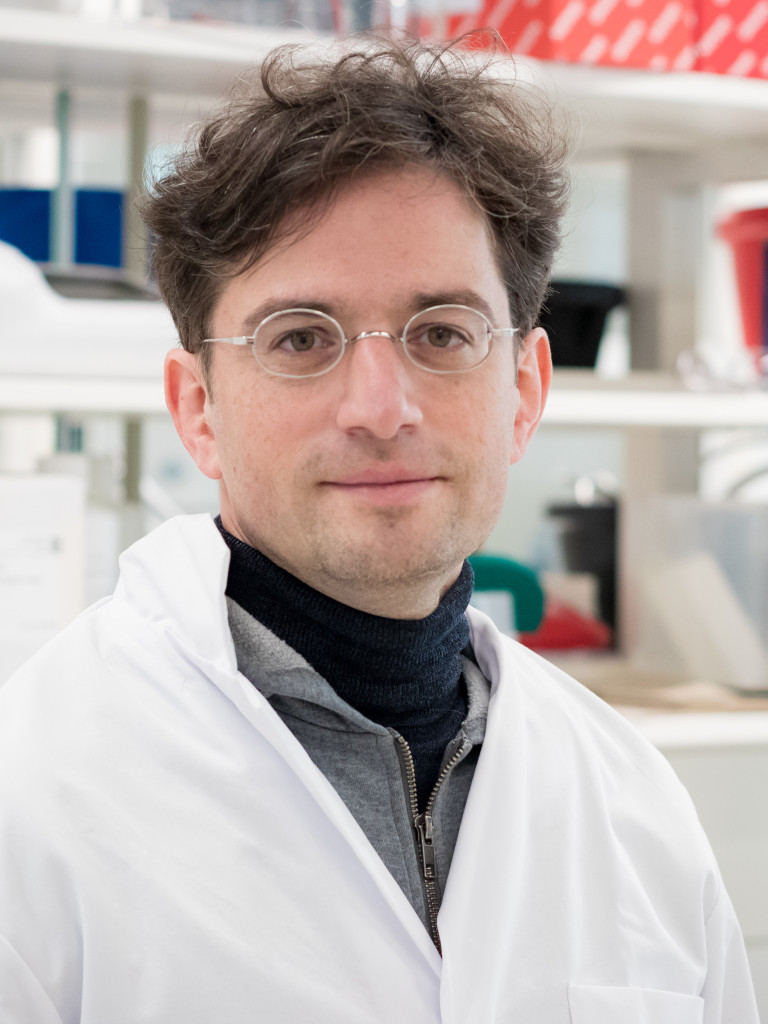
11:30 - 11:45 | Emanuel Wyler, Max Delbrück Center
Catching all viruses: a look at global viral genome diversity using wastewater
Tired of one virus? Get to know thousands of viruses!
Humans are constantly exposed to viruses. Some infect us without us even noticing, others can make us severely sick or kill us. One reason why we are so frequently infected is because viruses change their genome very quickly. By doing so, they can circumvent our immune systems or find ways to get into our bodies more efficiently. Assessing the diversity of viral genomes is therefore essential to better understand and treat viral infections. The Landthaler lab and partners do this by studying wastewater, which contains remnants of all virus varieties circulating in the human population. In this presentation, Emanuel Wyler will provide a glimpse into the methodologies used, insights into the results he and his team have obtained by analyzing wastewater from different locations across the planet, and particularly how this type of research can help us to contain pathogens in the future.
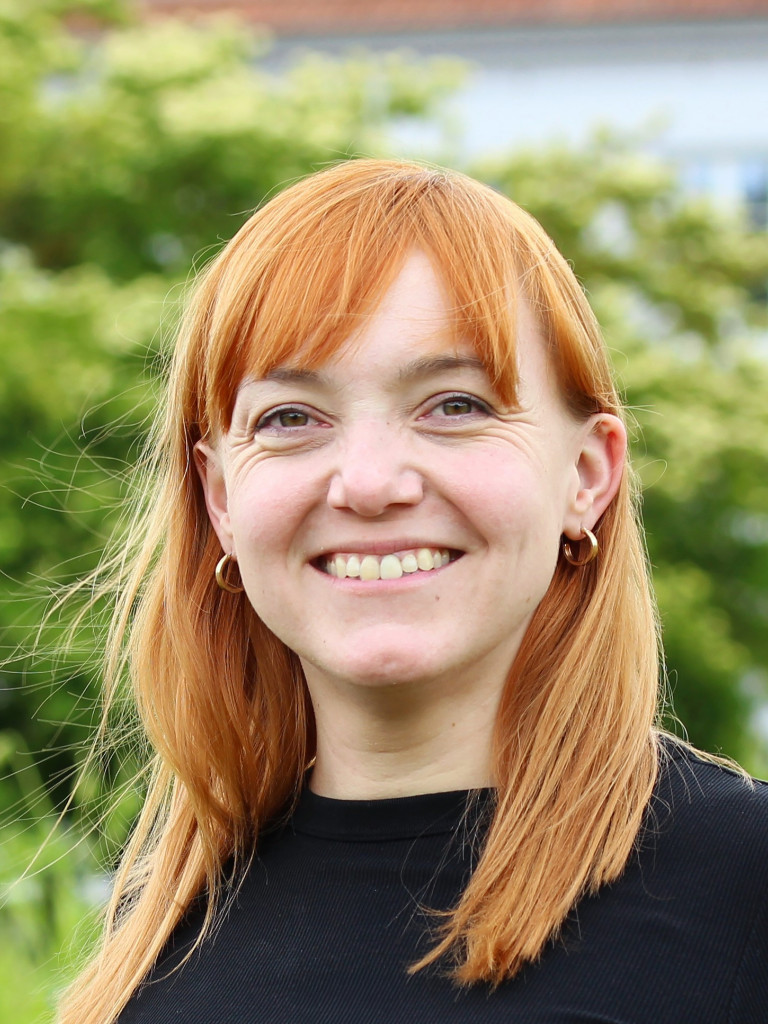
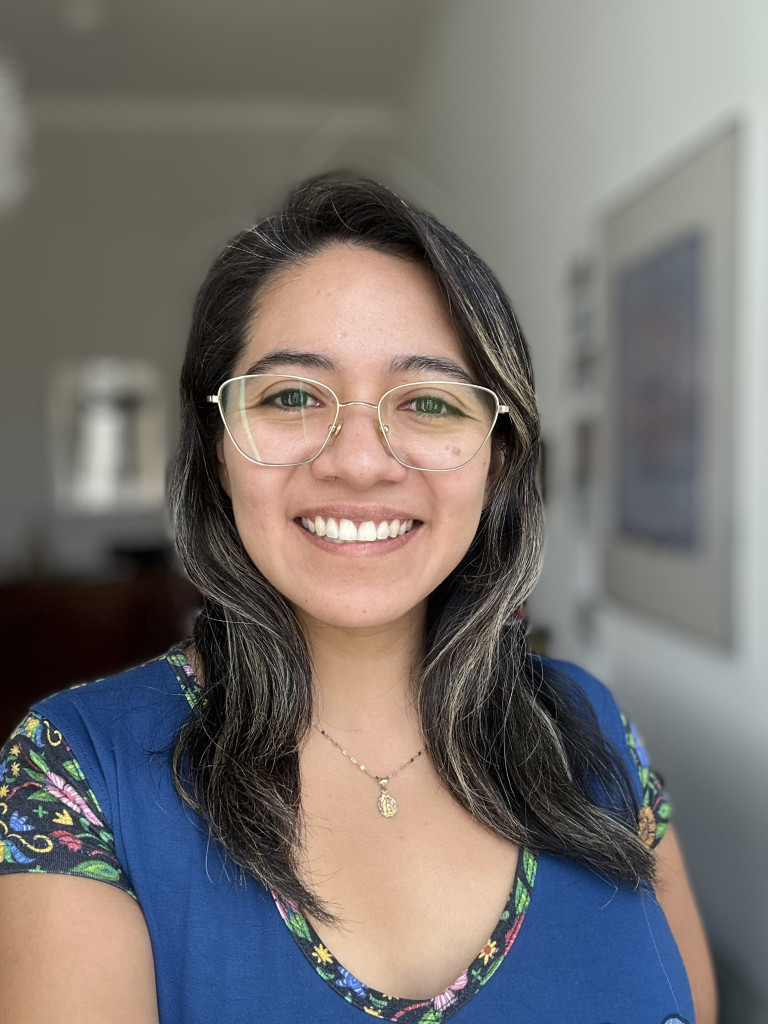
11:45 - 12:00 | Erika B. Martinez Ruiz, Leibniz Institute of Freshwater Ecology and Inland Fisheries
Pollution and the invisible life in water
The threat of water pollution to the tiniest, yet vital, freshwater inhabitants: microorganisms.
Water pollution is a global problem that has worsened in recent years due to human activity. It is one of the main causes of species loss in freshwater ecosystems, such as lakes and ponds. This kind of pollution can affect our drinking water, recreational activities, and health. However, the impact of water pollution extends beyond humans. It can also affect microorganisms, which are invisible to the naked eye. I will discuss how different human-made pollutants affect the growth and development of these tiny organisms, as well as their interactions with other species. I will also discuss why protecting microorganisms is important for our future.
12:00 - 12:20 | Meet the Water Scientists
Meet the Scientists Session
Stay around for an informal networking session: ask your own questions, start a conversation, and connect directly with the speakers.
- CAMPUS event at the Inspiration Stage.
- Free entry.
- Wheelchair accessible.
- More accessibility information available here.
The Inspiration Stage features 12-minute short talks, each block ending with a 20-minute Meet the Scientists session.
Drop in and out as you like: join one talk, or stay for the full journey.
Speakers
- CAMPUS event at the Inspiration Stage.
- Free entry.
- Wheelchair accessible.
- More accessibility information available here.
The Inspiration Stage features 12-minute short talks, each block ending with a 20-minute Meet the Scientists session.
Drop in and out as you like: join one talk, or stay for the full journey.