
Inspiration Stage: What Shapes our Health
Step into a future where health is everywhere: in metals that dissolve after healing, in virtual parties that prepare teens for real choices, in daylight that restores our rhythms, and in confronting racism’s hidden toll. These lightning talks show how care reaches far beyond hospitals, into technology, environments, and society itself. Together, they spark a new vision of what health can mean in our everyday lives.
LINE-UP
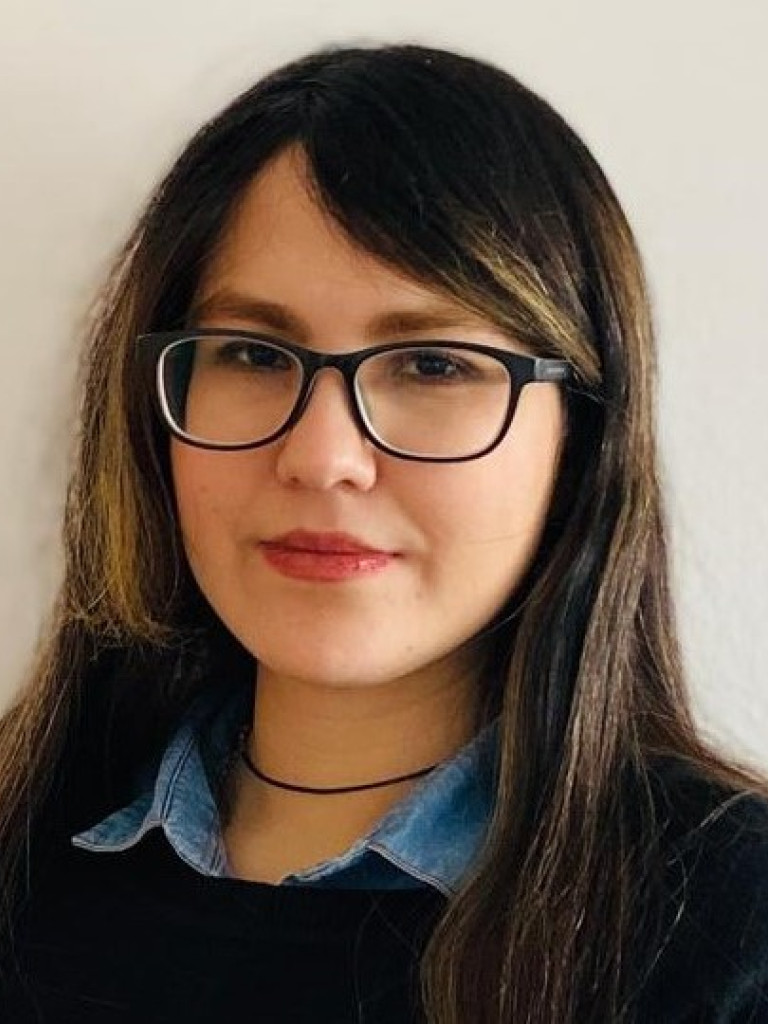
12:30 - 12:45 | Ava Azadi, University College Dublin
Temporary Metal, Permanent Impact
Not all metals are meant to stay!
When children are born with bone defects or suffer serious injuries, treatment often involves metal implants. These implants do their job, but they also bring a heavy burden: a second surgery to remove them. My talk introduces a very different approach using magnesium which is a metal that supports healing and then simply disappears once its work is done. By dissolving safely inside the body, these implants remove the need for additional operations, reduce pain, and make recovery gentler for young patients and their families. I will share the science behind this “vanishing metal,” how it works in harmony with the body, and why something temporary can leave such a lasting impact. It is a story of turning advanced materials research into real hope for children’s futures.
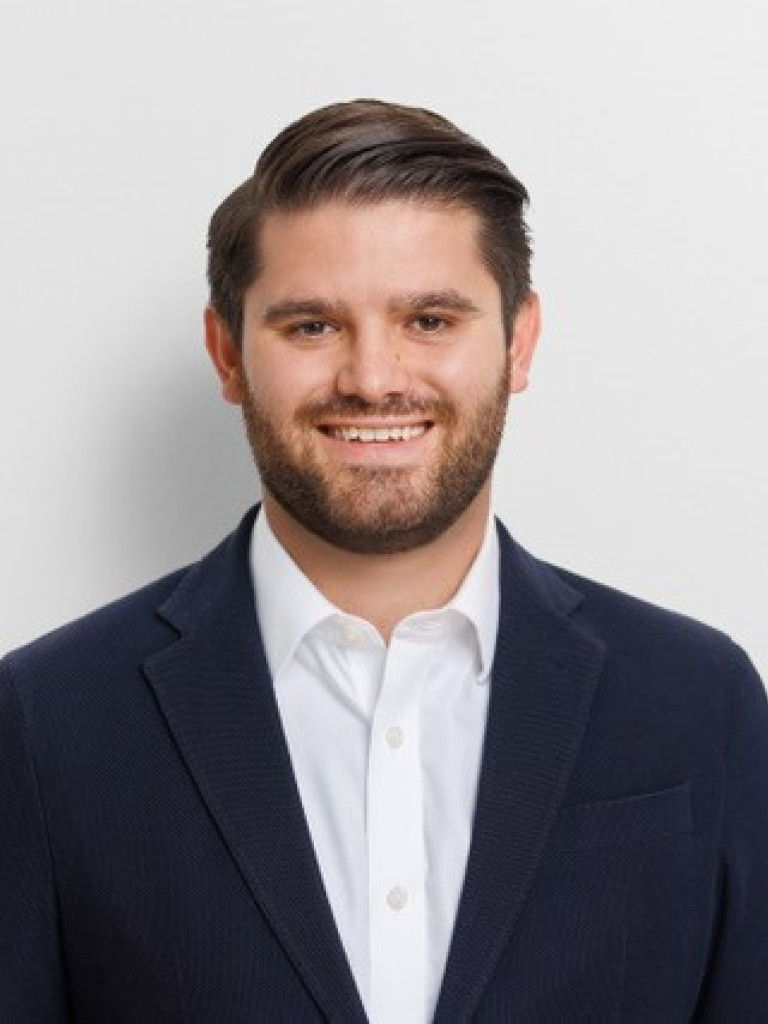
12:45 - 13:00 | Robert Hrynyschyn, Charité - Universitätsmedizin Berlin
Virtual parties, real choices: how VR supports adolescents resisting alcohol’s peer pressure
Virtual parties, real choices: how VR supports adolescents resisting alcohol’s peer pressure
Alcohol is part of everyday life, and many young people struggle to say 'no' when friends are drinking. Instead of substance use education, imagine stepping into a virtual party where you can try out how to react when someone offers you a drink. In our presentation, we will introduce a VR simulation that was co-created by young people and prevention experts. You’ll see how this tool enables decisions in safe, realistic scenarios. We’ll share how young people experienced the simulation and we will explore how digital tools like VR can make prevention innovative, appealing, and effective. The talk combines research, real-life stories, and a glimpse into the future of health promotion.
Focusing on Grand Challenges – a talk in cooperation between Berlin Science Week × Berlin University Alliance.
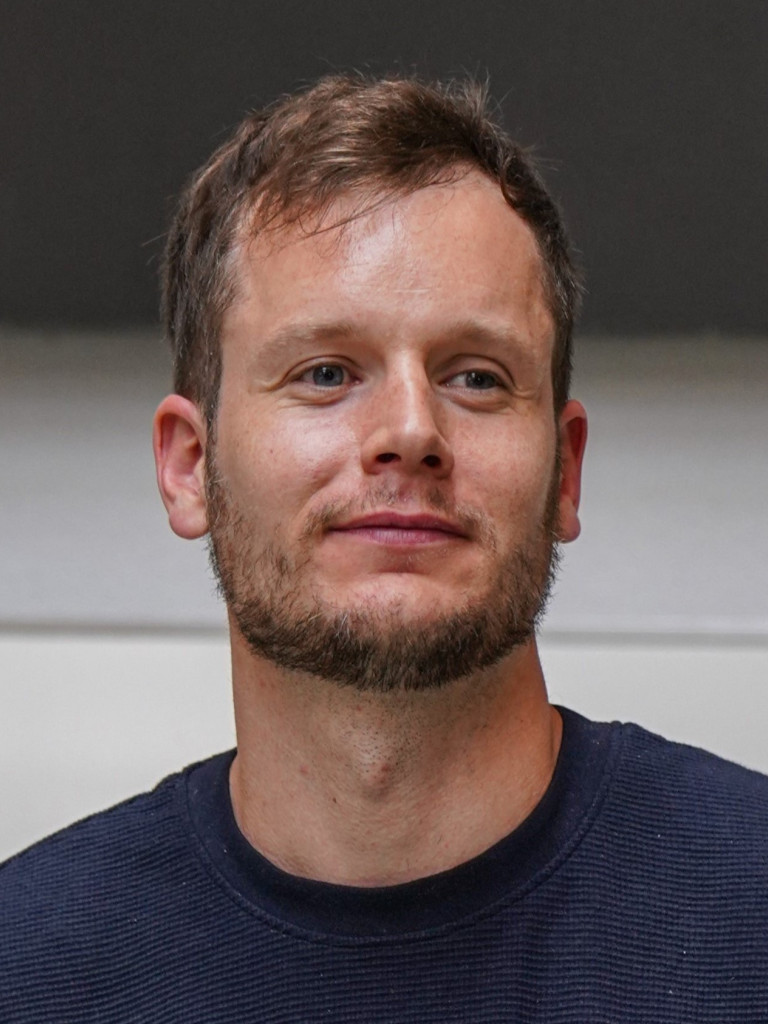
13:00 - 13:15 | Jan-Frieder Harmsen, RWTH Aachen University and Maastricht University
Let there be light (and darkness): Rethinking health through the power of daylight
Discover how daylight shapes sleep, energy, and health — and why brighter days and darker nights matter.
In this talk, we explore how everyday light — especially daylight — shapes our health in powerful yet often invisible ways. At the center is the circadian clock, an internal system that tells our bodies when to sleep, eat, move, and repair. This clock is strongly influenced by light, particularly the natural contrast between bright days and dark nights. Modern life, however, keeps us indoors under artificial lighting that often lacks these cues. This mismatch can disturb sleep, reduce alertness, impair metabolism, and raise risks for diseases like diabetes or depression. In our research, we test how improving light exposure — more daylight during the day, less artificial light at night — can restore biological rhythms and improve health. By rethinking how we design homes, workplaces, and hospitals, we can use light as a simple, non-invasive tool to support wellbeing and prevent disease.
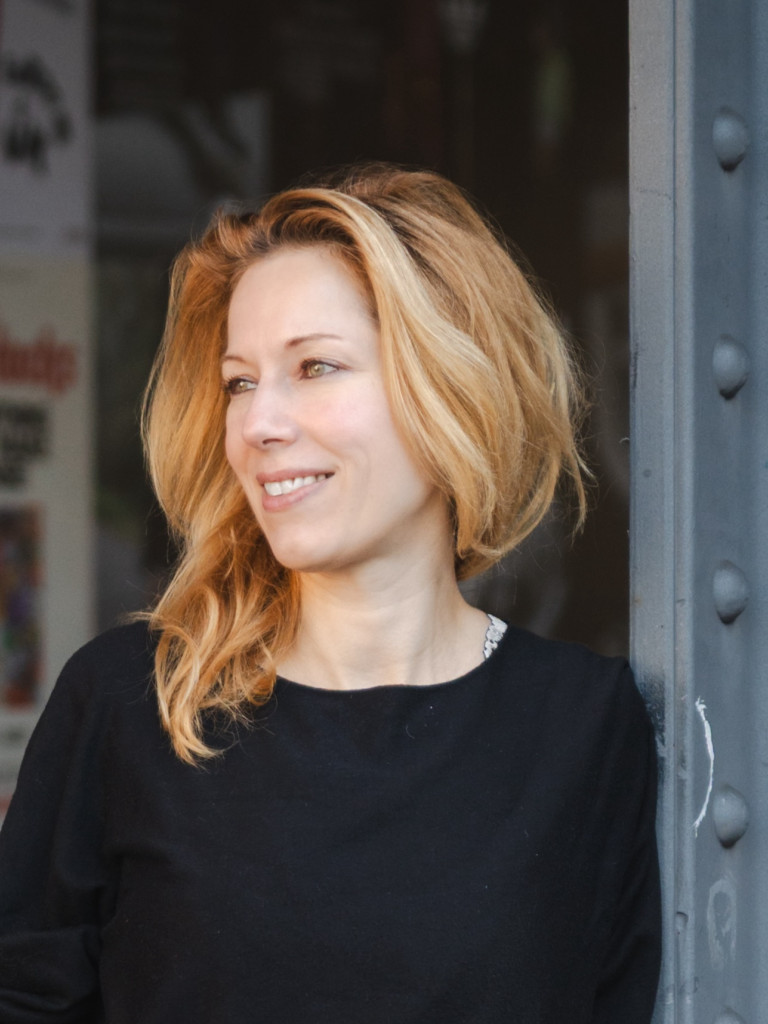
13:15 - 13:30 | Hannah Strohmeier, Charité - Universitätsmedizin Berlin
Racism and Mental Health in the Workplace
Understanding Humanitarian Workers’ Lived Experiences through Research and Film
In this talk, Hannah presents findings from her research on how racism within humanitarian organisations, such as UN entities and NGOs, affects staff mental health and wellbeing. Drawing on interviews with humanitarian workers in Kenya and Jordan, she reflects on the importance of going beyond academic papers and using formats such as documentary film in social justice research. Hannah also introduces her latest diary-based study on responses to racism at work—an innovative method that has not previously been used in the humanitarian sector. Together, the talk and film excerpts illustrate how creative approaches can deepen understanding and support change within humanitarian organisations.
Focusing on Grand Challenges – a talk in cooperation between Berlin Science Week × Berlin University Alliance.
13:30 - 13:50 | Meet the Health Scientists
Meet the Scientists Session
Stay around for an informal networking session: ask your own questions, start a conversation, and connect directly with the speakers.
- CAMPUS event at the Inspiration Stage.
- Free entry.
- Wheelchair accessible.
- More accessibility information available here.
The Inspiration Stage features 12-minute short talks, each block ending with a 20-minute Meet the Scientists session.
Drop in and out as you like: join one talk, or stay for the full journey.
Speaker
- CAMPUS event at the Inspiration Stage.
- Free entry.
- Wheelchair accessible.
- More accessibility information available here.
The Inspiration Stage features 12-minute short talks, each block ending with a 20-minute Meet the Scientists session.
Drop in and out as you like: join one talk, or stay for the full journey.