
Inspiration Stage: Between the Machine & Me
Increasingly, devices sit between us and things that once felt direct. These talks trace how technology and the patterns hidden in the data we generate, move from tool to intermediary to interpreter of who we are. What kind of intimacy is unfolding between humans and machines? And is it one we want?
Together, these talks ask what happens as AI and technologies step into deeply personal territory, mediating our health, our emotions, and our relationships. What we gain in insight, we may lose in immediacy. This block explores that trade.
TALKS INCLUDE:
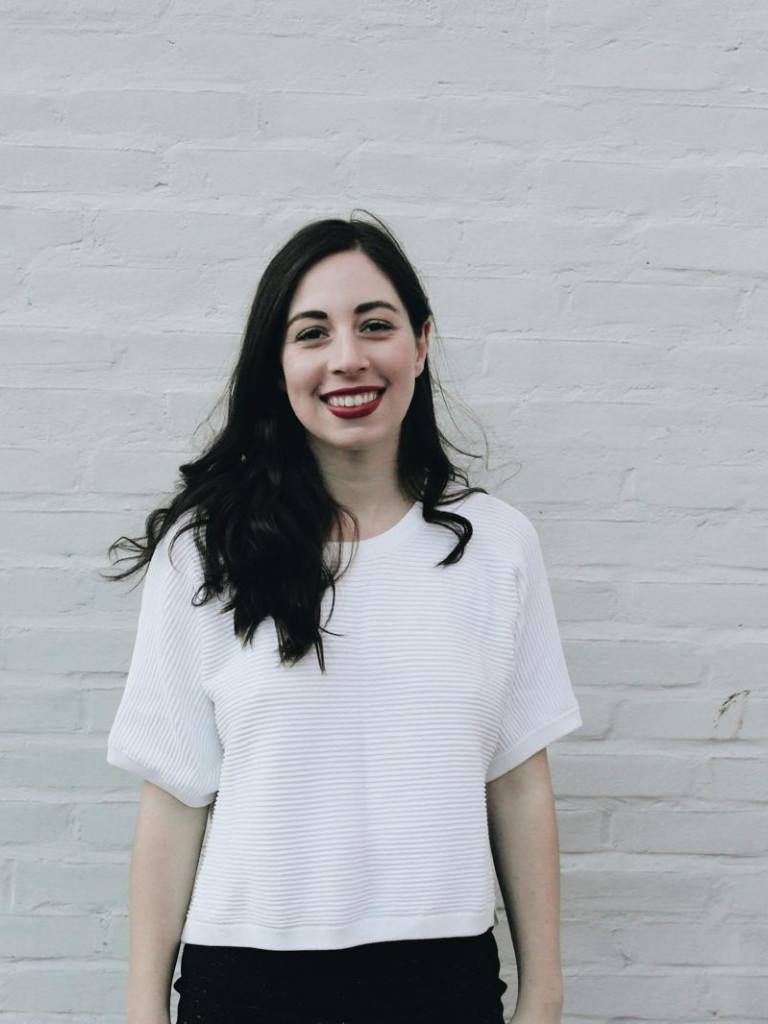
12:00 - 12:15 | Victoria Corless, Taylor & Francis Group
What happens when AI becomes our interface to knowledge?
AI's biggest risk isn't that it gets things wrong. It's that we stop noticing the difference.
AI can summarize a paper in seconds, answer complex questions, and confidently explain almost anything. But as these tools become our first stop for information, an important question emerges: what happens when we stop engaging with knowledge and start consuming AI-generated answers? This talk explores what large language models really do, why they sometimes fail in surprising ways, and what happens when we offload the intellectual journey.
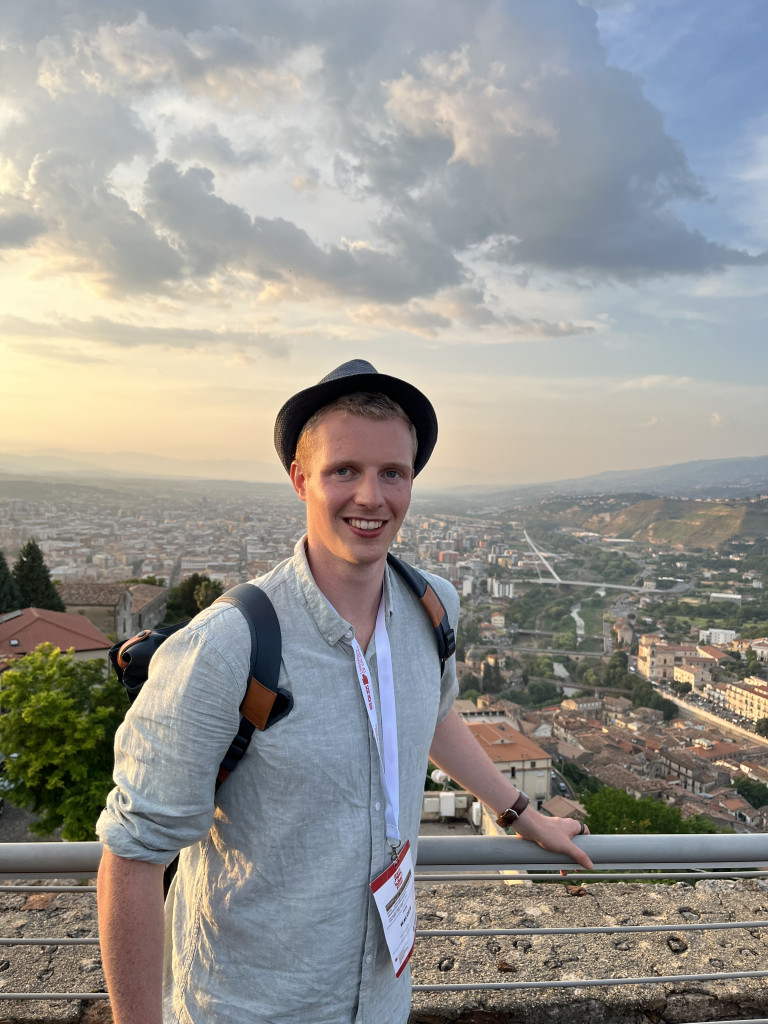
12:15 - 12:30 | Felix Walger, Chair of Information Theory and Data Analytics at RWTH Aachen University
Healthcare in your pocket, tailored to your body
Your smartphone is already in touch with almost every moment of your life, even the ones you would rather skip. Now it is time for it to stop watching you and become your personal health angel.
Your body does not follow an average. Healthcare often still does. Being “in touch” with your own body is something most people take for granted, yet injuries and chronic conditions can disrupt the connection between physiological signals, perception, and awareness. Meanwhile, distributed and personalized machine learning has quietly become part of everyday life, adapting smartphone keyboards, recommendations, and many other digital systems directly on your personal devices. Today, these technologies are mostly about comfort and convenience. But the same principles could fundamentally change how healthcare supports quality of life in the future. What if digital healthcare could learn what is normal for you instead of relying on the average? This talk explores how distributed machine learning could transform everyday health data into more individualized, privacy-preserving support and help people become digitally in touch with their own bodies. It asks what it could mean if your smartphone one day begins to understand what your body is trying to tell you before you do.
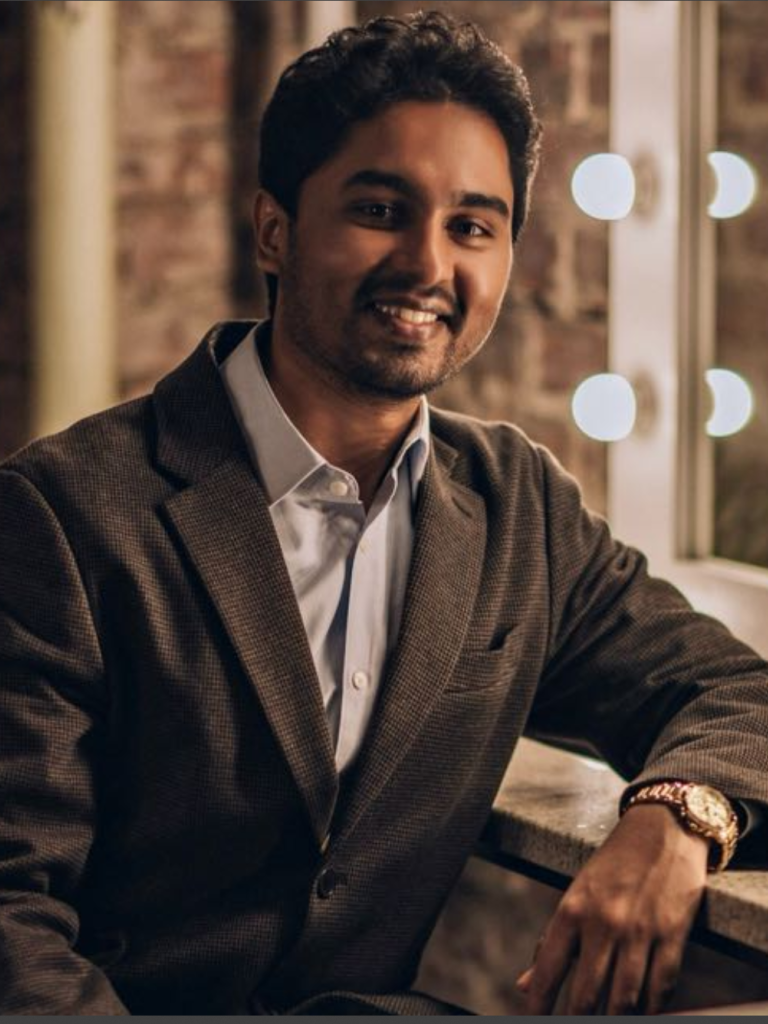
12:30 - 12:45 | Varshith H Anilkumar, Independent Researcher
Can AI be intimate without being invasive?
We confide in AI the way we confide in a friend, but its memory belongs to a company. This talk asks whether chips modeled on the brain could change that.
AI is becoming a constant companion. We confide in it, and it is learning how we feel, which is the most intimate data there is. What protects that today is a promise, a privacy policy, or the assurance that your data never leaves your device, and neither survives a hard fact: trained models themselves leak, and what a model has learned about you can be pulled back out of it. This 12-minute talk asks a different question: could privacy be something a machine is built to be incapable of breaking, rather than a rule we hope it follows? Along the way, it takes an honest look at one contested lead, chips modeled on the brain, where published research first found the usual attacks losing much of their power, and newer work then showed that the protection is not guaranteed. There is no finished answer yet, which is exactly why the question matters now. No technical background needed: you will leave with one question to test against every device you own. Can AI be intimate without being invasive?
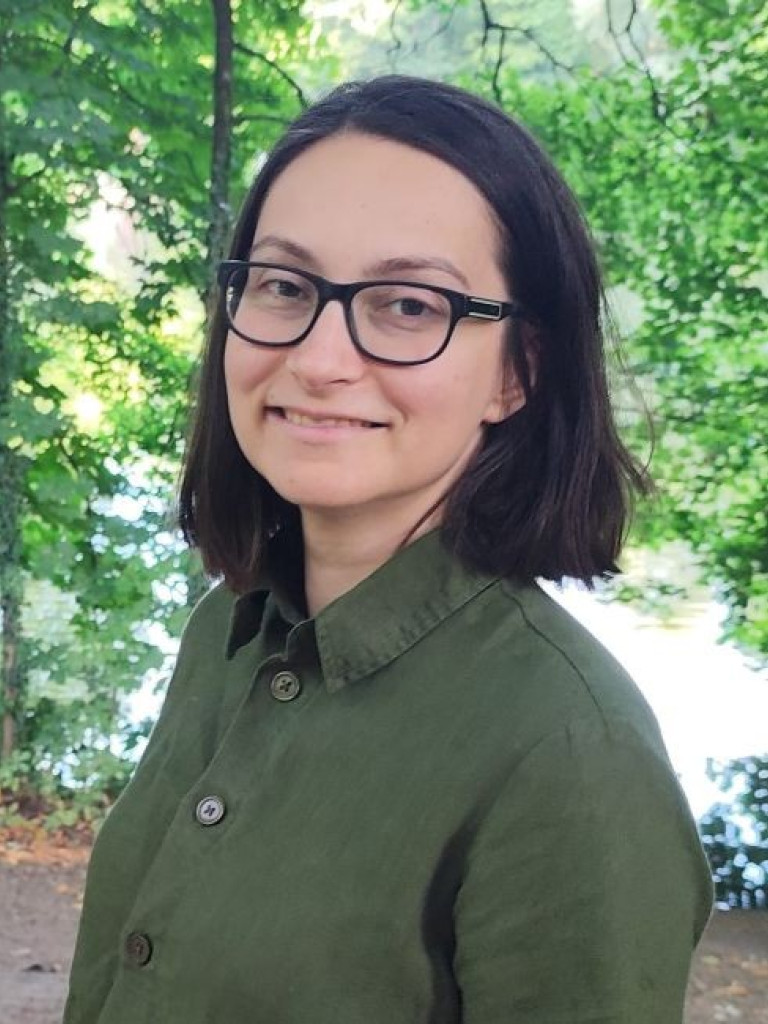
12:45 - 13:00 | Viki Peeva, RWTH Aachen University
If your patterns could talk, what would they say?
Your data hides patterns that might explain why you feel the way you do. Start uncovering them and what they say about you.
You track your life to stay healthy. But staying healthy feels like too much work. Let your data help you decide where to start. Viki Peeva is a PhD student who discovers patterns in business processes and is exploring how to translate that to everyday life. Our smart devices track our physical activity, sleep, blood pressure, and more. Some apps also let us track our mood and food intake. In this talk, you'll see how patterns hide in that personal data: the unseen connections between all these different aspects of your life that you might not notice on your own. We'll walk through a toy example together, find patterns, and explore possible insights. This talk is for anyone curious about what their data can reveal. You'll leave with a different way of looking at your own data: not as something to measure against norms, but as a source of patterns that might actually tell you what works for you.
13:00 - 13:20 | Meet the Scientists
Meet the Scientists-session
Stay around for an informal networking session: ask your own questions, start a conversation, and connect directly with the speakers.
INSPIRATION STAGE
- Inspiration Stage Talks in the Angie Stardust Foyer.
- Free entry.
- 3-Day Festival Centre Pass required to attend (see button).
- Wheelchair accessible.
- More accessibility information available here.
The Inspiration Stage features 12-minute short talks, each block ending with a 20-minute Meet the Scientists session. Drop in and out as you like: join one talk, or stay for the full journey.
Speakers
INSPIRATION STAGE
- Inspiration Stage Talks in the Angie Stardust Foyer.
- Free entry.
- 3-Day Festival Centre Pass required to attend (see button).
- Wheelchair accessible.
- More accessibility information available here.
The Inspiration Stage features 12-minute short talks, each block ending with a 20-minute Meet the Scientists session. Drop in and out as you like: join one talk, or stay for the full journey.
Event Location
Haus der Kulturen der Welt (HKW)
John-Foster-Dulles-Allee 10
10557 Berlin
Germany