Queen's Lecture: Designing and translating materials to heal the body and detect diseases earlier
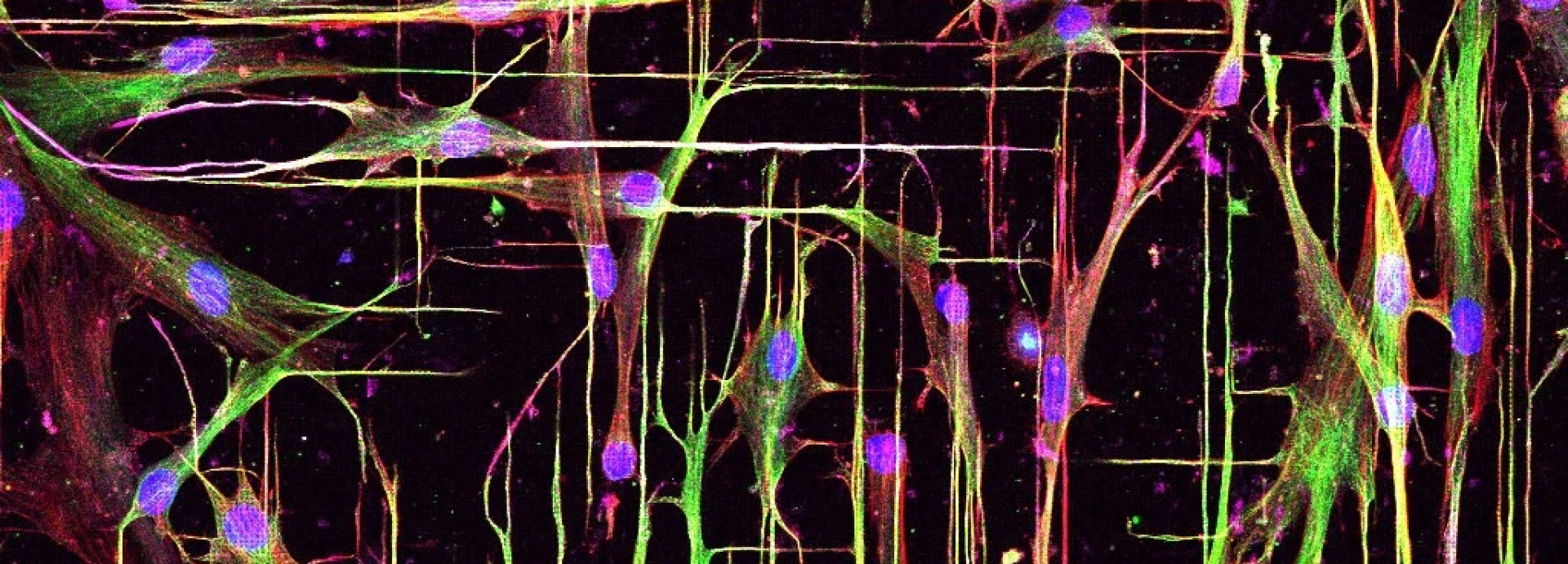
This talk will explore how advances in materials science and nanotechnology can be turned into practical tools to improve human health. A key focus will be not only on creating new technologies, but also on how we can move them from the laboratory towards real-world clinical use.
I will highlight our work designing smart materials that interact with biology in new ways, from complex 3D structures and bioactive surfaces to new approaches for delivering medicines. These include polymer carriers for RNA therapeutics, light-responsive nanoreactors inspired by the body’s natural rhythms, and soft robotic systems that respond to external signals and release treatments precisely where and when they are needed.
I will also discuss how nanotechnology is opening up new possibilities for earlier and more accessible disease detection. We are developing nanoparticle-based tests that produce simple colour changes visible to the naked eye, alongside CRISPR-based technologies for detecting important disease markers. New synthetic binders are also helping us recognise cancer targets more precisely, with potential applications in both diagnosis and treatment.
Another exciting area is our use of Raman spectroscopy and machine learning to see what is happening inside cells, organoids and living systems, including tracking what happens to nanomedicines after they enter the body. I will introduce SPARTA™, a technique we pioneered to rapidly analyse individual nanoparticles without the need for labels, with applications ranging from advanced therapeutics to exosome-based diagnostics.
Throughout the talk, I will share our approach to accelerating this journey while working towards healthcare technologies that are not only powerful, but scalable, accessible and available to more people worldwide.
- The event takes place in Hörsaal HE 101 in the Mathematics building (Mathematikgebäude MA).
- Free entry.
- Registration required.
- Wheelchair accessible.
- The event takes place in Hörsaal HE 101 in the Mathematics building (Mathematikgebäude MA).
- Free entry.
- Registration required.
- Wheelchair accessible.
Event Location
TU Berlin
Straße des 17. Juni 136
10623 Berlin
Deutschland