Inspiration Stage: Lessons from the Body
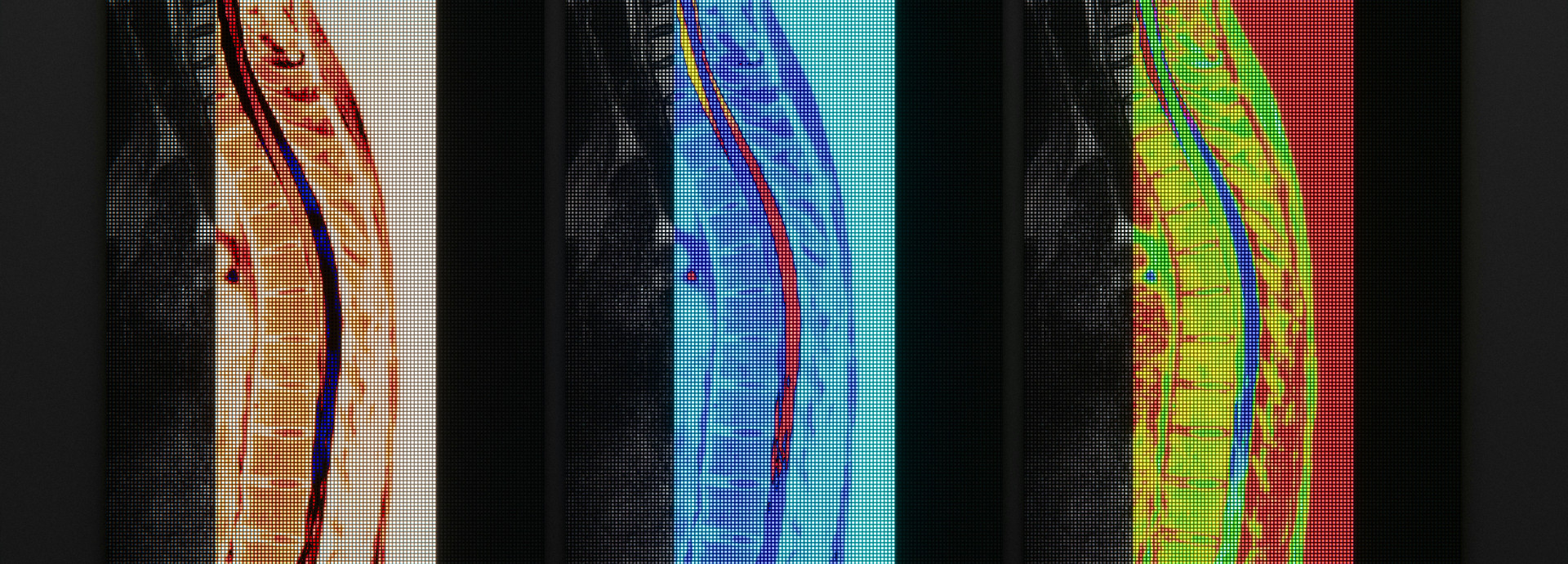
A conversation is happening inside every body, all the time. Long before we have words for what we're feeling, our bodies are already exchanging signals internally, adjusting in response to the world around us. Even ordinary experiences become information, triggering countless processes that help the body sense, respond, and adapt. Most of this happens below conscious awareness, in a language we're only beginning to understand.
Science is learning to translate these hidden conversations, revealing what our bodies are saying and what that means for our health, resilience, and capacity to adapt. Spanning skeletal biology, nutrition science, and even physics, these talks explore the constant dialogue taking place within our bodies, and what we can learn by listening.
TALKS INCLUDE:
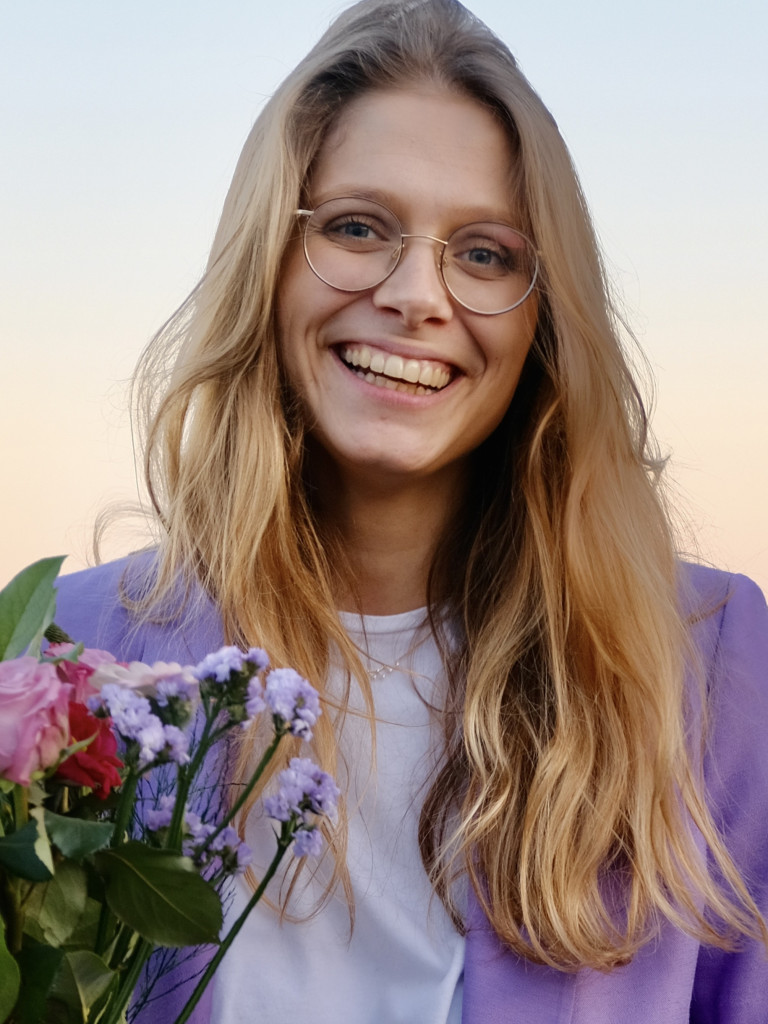
18:00 - 18:15 | Alexandra Tits, Max Planck Institute of Colloids and Interfaces
Your skeleton is alive
Beneath the surface, cells talk to each other to maintain and strengthen your bones. Learn the language of your skeleton.
Bones are not stones: they are dynamic, complex and living tissues, vital to our movement and health. Like neurons in the brain, bone cells form a dense, interconnected network - sensing movement, communicating, shaping bone in real time to adapt to mechanical forces. However, bone is so stiff that it does not deform easily: it cannot feel pressure like your skin. Instead, when we walk, run or jump, the mechanical load drives fluid within the network, generating a signal that cells can actually feel. Advanced imaging techniques and computational modeling are now allowing us to map and simulate these networks in unprecedented detail, revealing a level of complexity that rivals brain neural circuits. So, let’s rethink our bones - not as static stones, but as an intelligent, responsive and highly connected system.
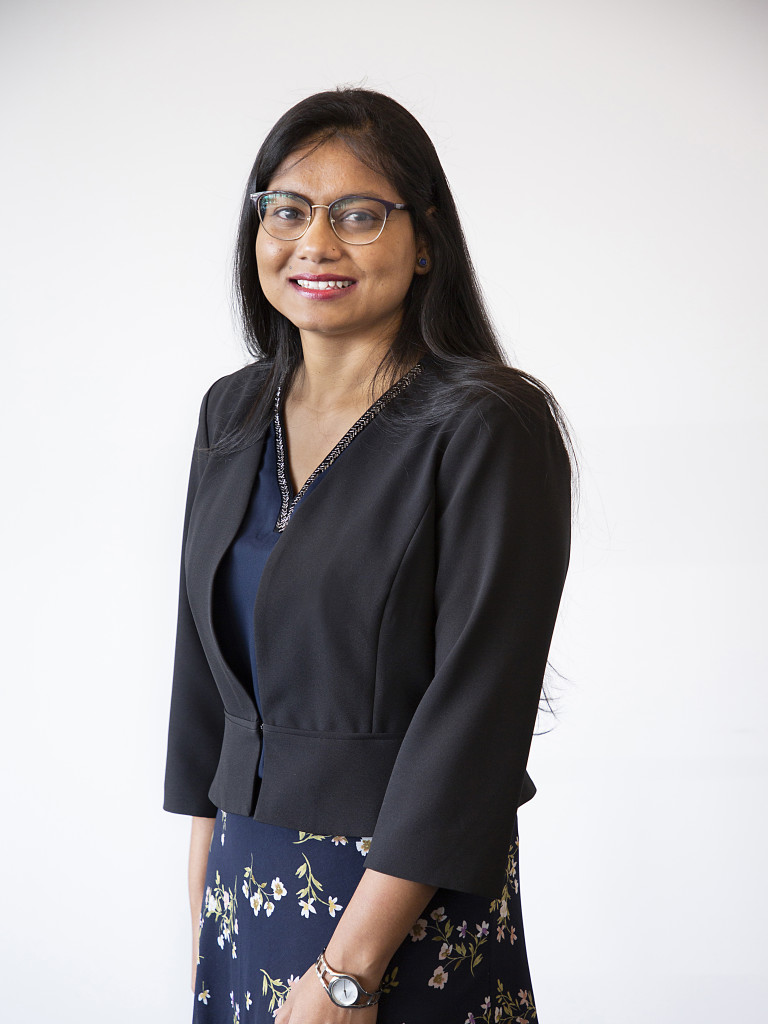
18:15 - 18:30 | Debashree Roy, Riddet Institute, Massey University, New Zealand
The hidden architecture of mother's milk and why it matters?
Mother’s milk is more than nutrients. It has a uniquely structured, hidden matrix that transforms during digestion.
This talk takes a familiar, deeply human experience of feeding a baby and reveals the invisible dynamic processes that unfold inside the infant's stomach at molecular levels. It reveals the hidden structure of human milk (compared to other mammalian milks), and how it is restructured in the gastric environment. Using models of infant digestion, microscopic visualisation, and conceptual analogies, this talk will show how milk behaves less like a uniform liquid and more like a dynamic, self-assembling material. These perspectives help explain why human milk is uniquely designed for infants, and why replicating its behaviour in formulas remains scientifically challenging. This talk provides novel insights into how the human milk matrix inherently restructures within an infant's stomach, shaping how nutrients break down, interact, and are differentially delivered to support the infant's nutritional needs.
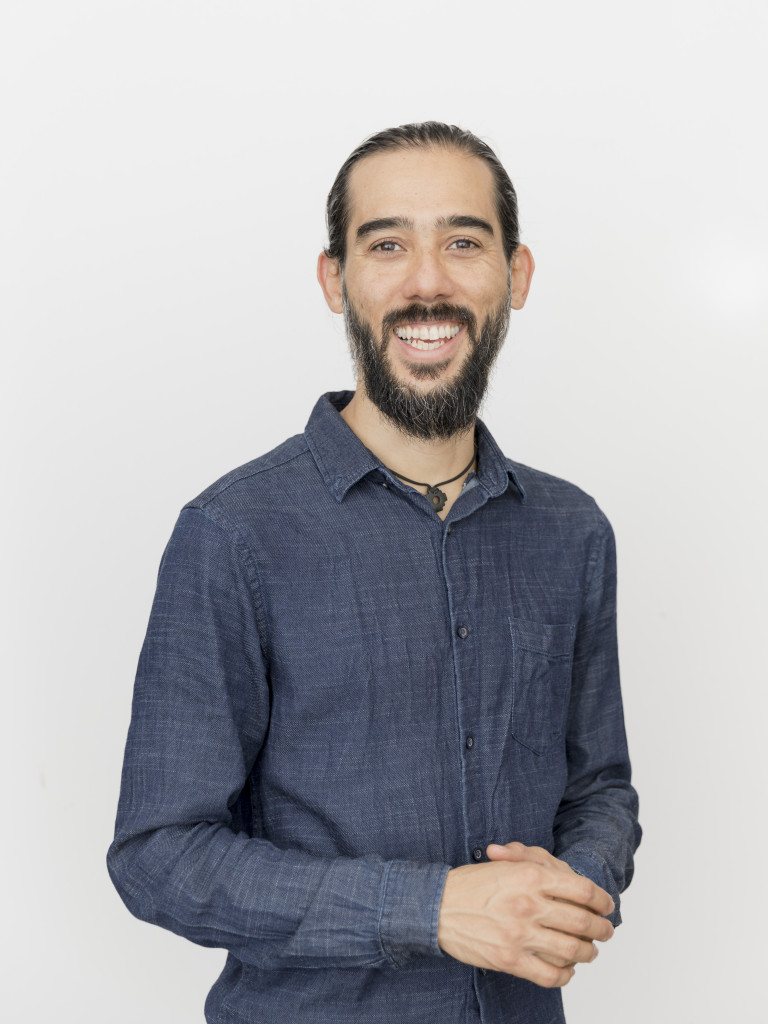
18:30 - 18:45 | Naresh Ganesh, Uniklinik RWTH Aachen University
Hungry for health: Can skipping meals change how we heal?
What happens to your immune system when you stop eating? Discover how fasting can reshape inflammation, cellular repair, and immune responses—and why hunger may be more than just an empty stomach.
Most of us think of hunger as a simple signal: it is time to eat. But inside the body, going without food sets off a much bigger biological response. In this talk, immunology researcher Naresh Ganesh explores what happens when the body temporarily runs low on fuel and how the immune system responds. Fasting can change metabolism, alter inflammatory signals, trigger cellular recycling processes, and influence where immune cells travel and how they behave. But does that mean fasting is always beneficial? Not necessarily. Using clear visuals, everyday examples, and current scientific evidence, this talk will unpack what researchers are learning about the relationship between food, immunity, inflammation, and healing. It will also look at the other half of the story: what happens when we eat again, and why recovery may be just as important as fasting itself. Rather than offering a new diet rule, the talk invites a broader question: could periods of hunger act as biological information: telling the body when to conserve, adapt, repair, or prepare for what comes next? No immunology background required. Just bring your curiosity and perhaps a slightly different view of your next meal.
18:45 - 19:00 | Jose D. Cojal Gonzalez, Humboldt Universität zu Berlin - Lange Nacht der Wissenschaften
Trust the process: Anholonomy of my journey
Most people think physics is remote from life. 'Trust the process' is a story about following a scientific thread until it leads somewhere you never expected: straight back to the body.
Physics is often experienced as a collection of abstract ideas and equations: precise, powerful, yet remote from everyday life. But what if that distance is not inherent to physics itself, but to the way we interact with it? Physics is not complicated. It just needs better toys. This talk begins not in a laboratory, but in a collaboration. The Cluster of Excellence Matters of Activity brings together designers, natural and social scientists around a shared conviction: that in the age of the digital and hyperspecialization, we ought to design materials in more sustainable ways by turning to the analog in the activity of matter and to the radical interaction among disciplines. For a physicist, entering this environment meant something specific: I was being asked to think about what physics actually touches and to communicate it beyond the laboratory. That contact led somewhere unexpected. Through collaboration with mathematicians and material scientists, the study of vibration (one of the most ubiquitous analog phenomena in nature) opened a path into topology and anholonomy: the geometrical difference you gain upon returning where you started. The same geometric patterns that describe vibrating molecules also appear in the way human bodies move through the world. The body already knew a great deal of physics. At some point the geometry also became something you could hold: PlanckPlay, a puzzle that maps all sixteen areas of physics onto a structure small enough to fit in your hands, a historical and epistemological object, a physical argument about how physics organises its understanding of reality. Designed with care, born from curiosity. Trust the process. The gain lies in the path, not at its end.
19:00 - 19:20 | Meet the Scientists
Meet the Scientists-session
Stay around for an informal networking session: ask your own questions, start a conversation, and connect directly with the speakers.
INSPIRATION STAGE Talks:
- in the Angie Stardust Foyer.
- The Inspiration Stage features 12-minute short talks, each block ending with a 20-minute Meet the Scientists session.
How to attend
- Free entry.
- To attend this event, please book your free 3-Day Festival Centre Pass (see button).
- Drop in and out as you like: join one talk, or stay for the full journey.
Accessibility
- Wheelchair accessible.
- More accessibility information available here.
Speaker

INSPIRATION STAGE Talks:
- in the Angie Stardust Foyer.
- The Inspiration Stage features 12-minute short talks, each block ending with a 20-minute Meet the Scientists session.
How to attend
- Free entry.
- To attend this event, please book your free 3-Day Festival Centre Pass (see button).
- Drop in and out as you like: join one talk, or stay for the full journey.
Accessibility
- Wheelchair accessible.
- More accessibility information available here.
Event Location
Haus der Kulturen der Welt (HKW)
John-Foster-Dulles-Allee 10
10557 Berlin
Deutschland