Carbon Capture, Transport, Utilization and Storage (CCUS). Where are we in 5 - 10 years?
To research and develop methods for carbon dioxide reduction, removal, utilization, and avoidance—as well as advancing low-carbon energy systems—are essential components of the green and energy transition.
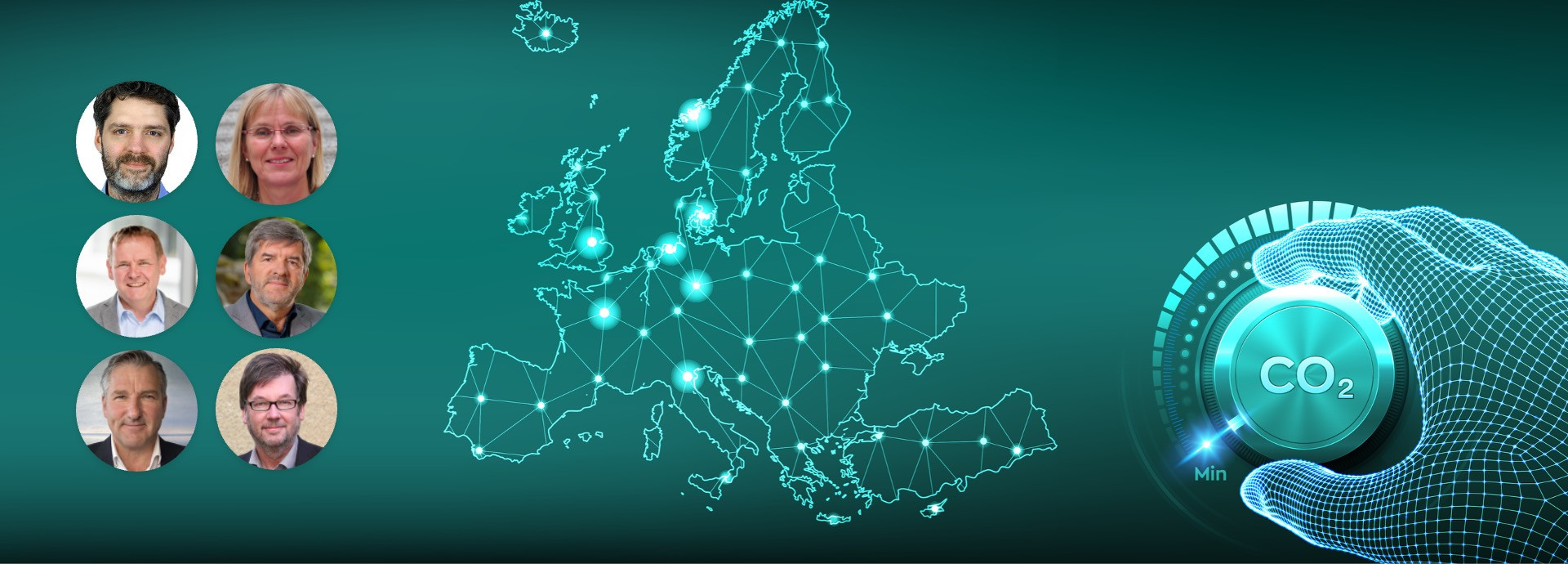
Germany has now made a decisive step in this direction: as of July 1st, it has officially joined the ECCSEL ERIC consortium, alongside a long list of leading research institutions. ECCSEL ERIC now includes seven member-countries and represents 46 research organizations across Europe, with access to more than 130 advanced research facilities.
With this, the initiative has reached a critical mass. We can therefore expect both dynamic and potentially breakthrough collaborations in this field in the coming years.
But important questions remain:
- Where will we stand in 5 to 10 years' time, in relation to European and German targets for CCUS?
- What are the critical success factors to achieving these European and National targets?
- What are the strengths and weaknesses of the German and European carbon management strategies?
- How should a German Road Map for CCUS look like?
- What can Germany learn from Norway?
Program:
14:00 – Welcome by Dr. Erik F. Øverland and Klaus Tobias Mosbacher
14:10 – Dr. Sebastian Fischer, Federal Institute for Geosciences and Natural Resources (BGR) of the German Federal Ministry for Economic Affairs and Energy (BMWE)
14:25 – Dr. Roland Span, Ruhr-University Bochum
14:40 – Dr. Ingo Saas, Helmholtz Centre for Geosciences, Potsdam
14:55 – Aase Slagtern, Research Council of Norway
15:10 – Panel discussion
15:55 – Wrap Up
16:00 – Reception
17:00 – End of Event
By exploring these aspects, the discussion can delve into the complexities and trade-offs involved in adopting CCUS in Germany and European-wide, and how these adoptions can shape and contribute to an net-zero future.
The three-hour event will include 4 invited keynote speeches, followed by a moderated panel discussion and interaction with the audience (2h). The following reception (1h) with drinks and snacks will offer the opportunity for further discussions.
The event is a cooperation between the European Research Infrastructure for CO2 Capture, Utilisation, Transport and Storage (CCUS) ECCSEL ERIC and the Norwegian Embassy in Berlin. It will be announced through the communication channels of the Norwegian Embassy, the ECCSEL and the respective networks by the scientific contributors.
- Registration required until 17.10.25 (see button).
- The event takes place in the Felleshus of the Nordic Embassies in Berlin.
- Wheelchair accessible.
- Registration required until 17.10.25 (see button).
- The event takes place in the Felleshus of the Nordic Embassies in Berlin.
- Wheelchair accessible.