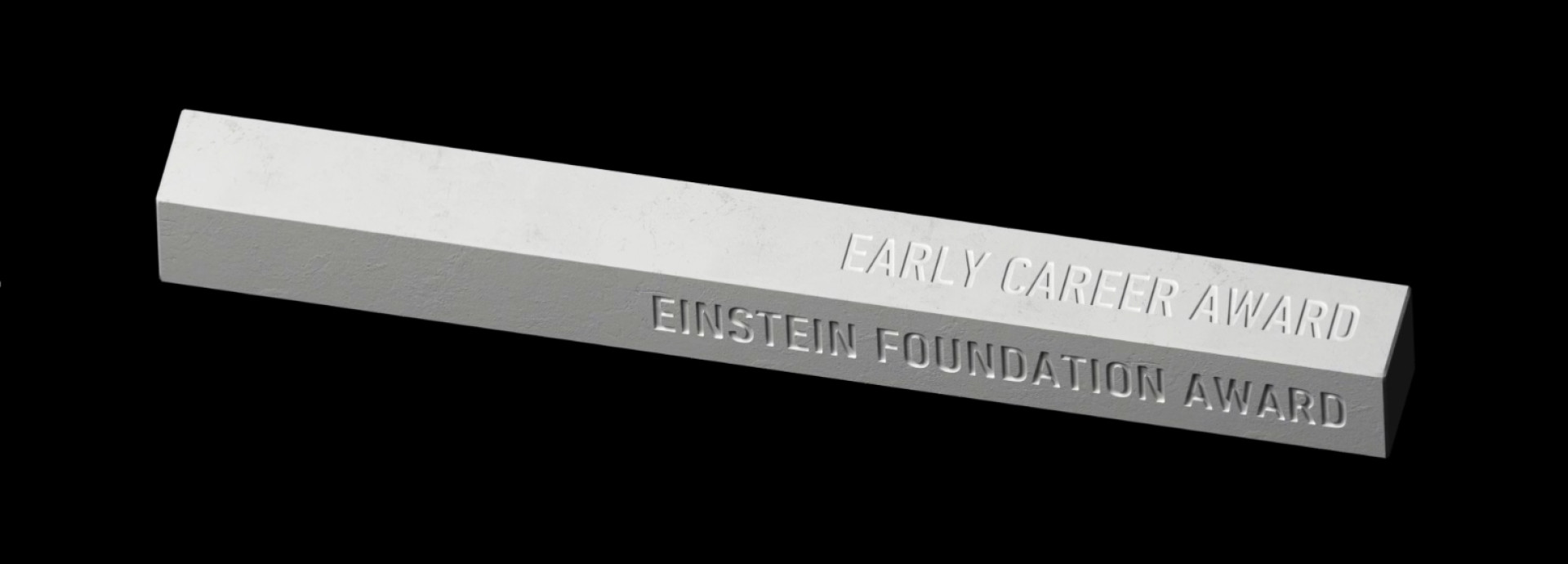
Bright Ideas for Responsible Research: Finalists Compete for the €100,000 Early Career Award
Join us to celebrate the finalists of the Einstein Foundation Early Career Award for Promoting Quality in Research!
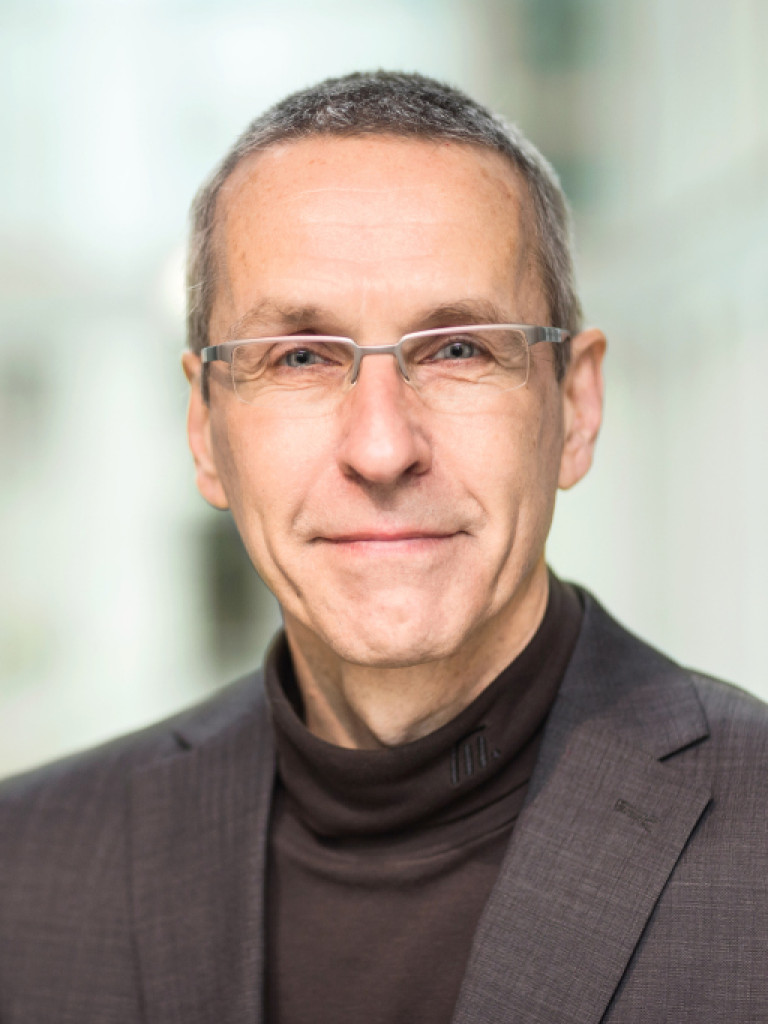
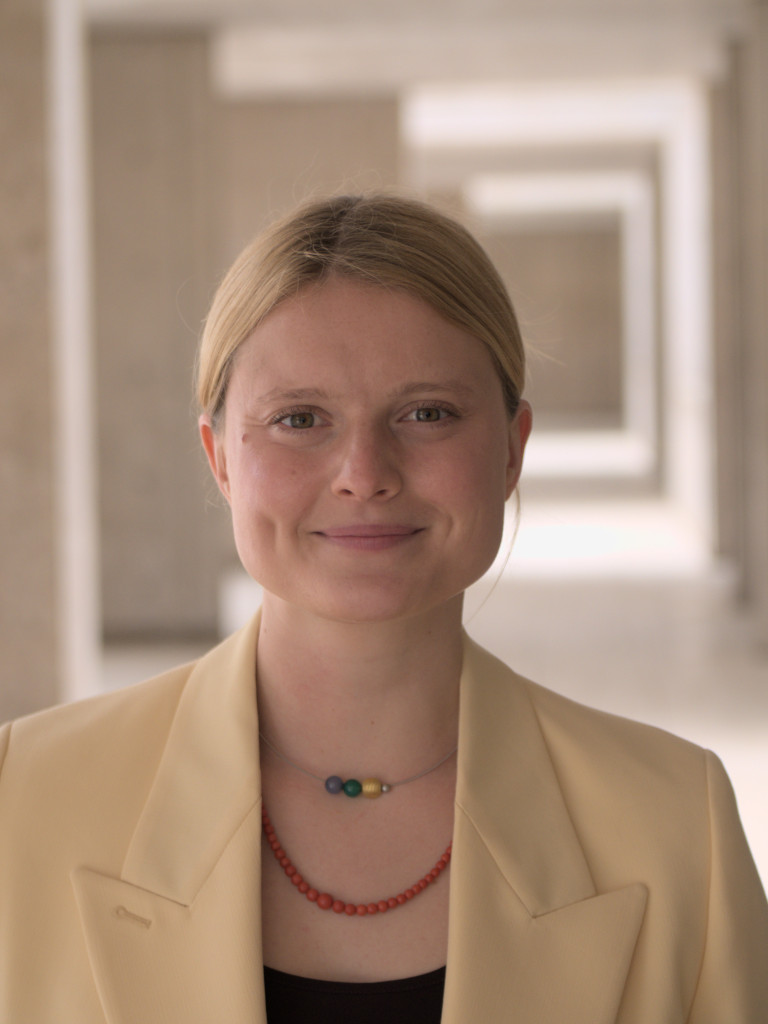
We are proud to present the five outstanding finalists, competitively selected by an international jury from 72 applicants. Thanks to the generous support of the BIH QUEST Center for Responsible Research, each finalist has the opportunity to receive €100,000 to advance their project, demonstrating how innovative approaches can strengthen the integrity, openness, and reproducibility of scientific research.
The 2025 finalists and their projects are:
- Laura Globig, New York University, USA – Understanding and Mitigating the Impact of AI on Scientific Cognition and Research Integrity
- Hernan Andres Morales Navarrete, Universidad De Las Américas, Ecuador – Image2Model Exchange: Democratizing AI Analysis through FAIR Data and Model Sharing
- Team Lead Aissatou Ndiaye, University of Augsburg, Germany – High Resolution Climate Dataset for West Africa: A Service for Climate Protection and Energy Transitions
- Team Lead Paul Ritsche, University of Basel, Switzerland – UMUD: A Web Application to Address the Need for Open Research Data and Reproducibility in Musculoskeletal Ultrasonography
- Maximilian Sprang, Johannes Gutenberg University Mainz, Germany – Erring Rigorously: Quantifying the Impact of Errors in the Wet Lab on Downstream Analysis
This event highlights how these innovative projects could transform the way knowledge is generated, shared, and evaluated, ultimately enhancing the transparency, reproducibility, and integrity of scientific inquiry.
The Einstein Foundation Award for Promoting Quality in Research honors substantial contributions that strengthen robust research practices across the humanities, social sciences, natural sciences, and life sciences. By recognizing and supporting forward-thinking approaches that improve research processes, the award fosters sustainable and meaningful solutions to the pressing scientific challenges of our time.